If you are looking for a vacation that forces you to disconnect from the pinging of work emails and the relentless pace of modern parenting, the answer isn’t a faster plane or a more packed itinerary—it is the canal boat circuit. Traveling at a maximum speed of four miles per hour, a “slow-adventure” canal trip provides a unique, forced-reset environment that requires teamwork, patience, and a complete surrender to the rhythm of the water.
- Speed is irrelevant: Canal travel averages 3-4 mph, meaning your goal is the journey, not the destination; it is the ultimate antidote to “schedule fatigue.”
- Teamwork is non-negotiable: Operating locks and bridges requires communication and physical coordination, providing an organic way for families to bond without screens.
- Logistical simplicity: You carry your accommodation, kitchen, and transport with you, eliminating the daily stress of packing, unpacking, and checking in and out of hotels.
Why the “Slow-Adventure” Model Works for Parents in Their 30s and 40s
Most of us in our 30s and 40s spend our lives optimizing. We optimize our morning routines, our work schedules, and our children’s extracurriculars. When we go on vacation, we often bring that same optimization mindset with us, cramming three cities into five days and stressing over train connections. The canal boat circuit is the direct opposite of this. It is a “low-optimization” environment.
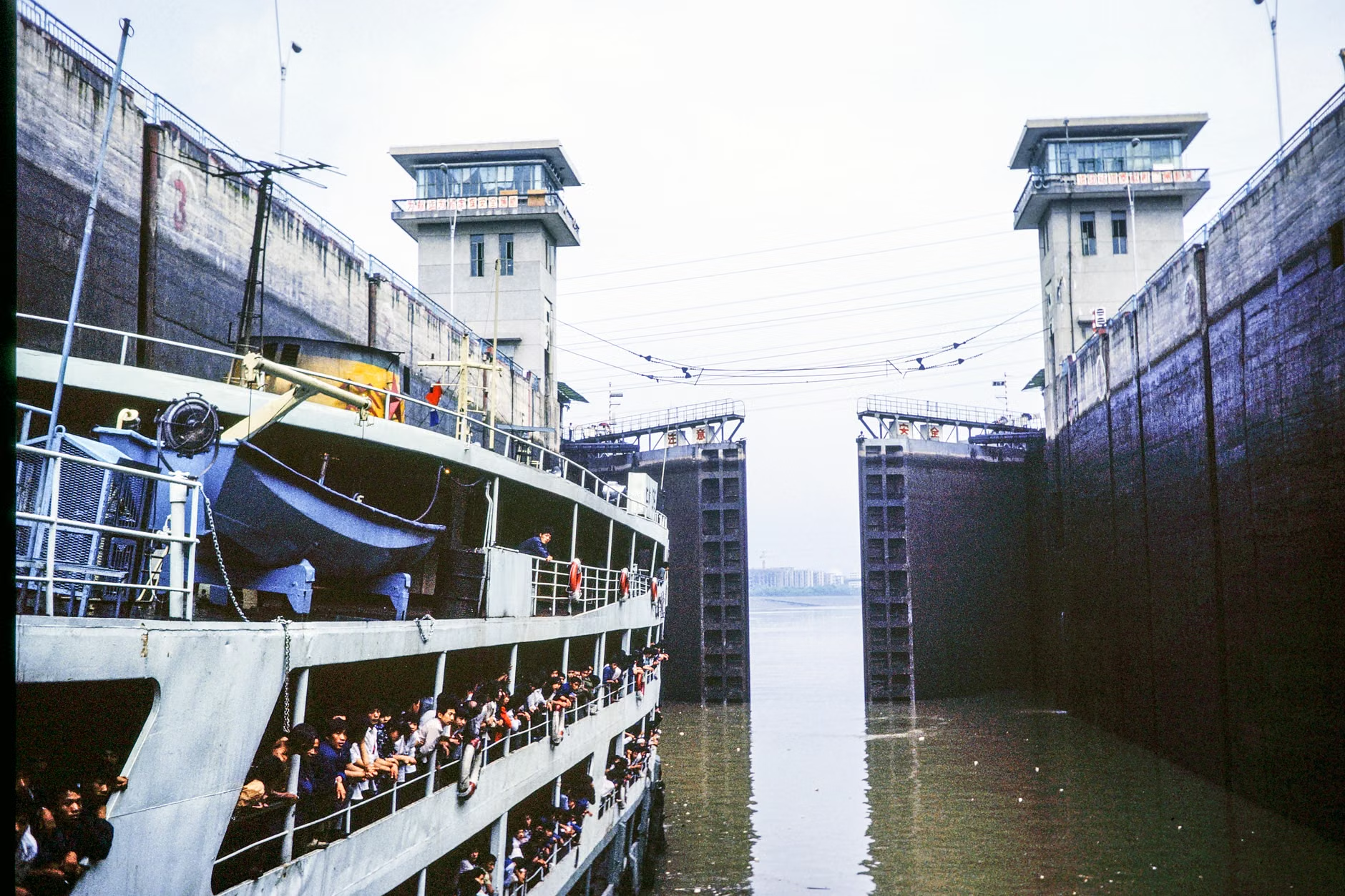
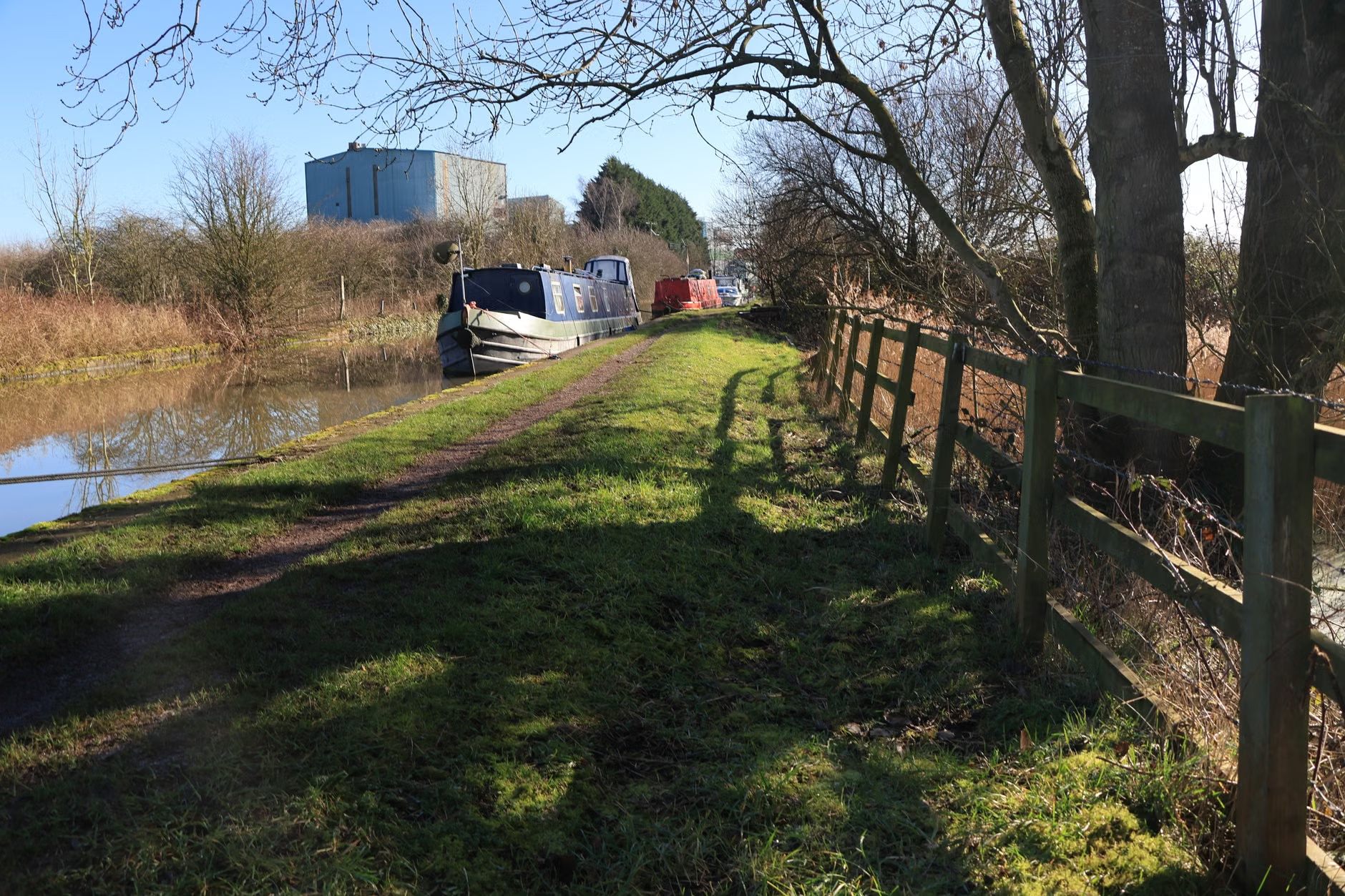
The beauty of a canal boat—often called a narrowboat in the UK or a pénichette in parts of Europe—is that it is a self-contained unit. You are not just visiting a place; you are living on the infrastructure of history. These waterways, many dating back to the Industrial Revolution, were designed for heavy cargo, but today they offer a rare, quiet corridor through landscapes that are often inaccessible by car.
For parents, the primary advantage is the boundary. You cannot “rush” a boat. If you try to go faster, you create a large wake that damages the canal bank, which is strictly prohibited. You are physically incapable of being in a hurry. This creates a psychological shift: when you stop trying to be fast, you start paying attention to the heron on the bank, the way the light hits the water, and the actual conversations you are having with your children.
The Reality of “Forced” Cooperation
One of the most common mistakes families make is thinking a boat trip is just a “floating hotel.” It isn’t. It is a vehicle that requires active operation. This is actually its greatest strength. When you approach a lock—the chambers that allow boats to move between different water levels—every family member has a role to play. Someone needs to handle the tiller, someone needs to step off to wind the paddles, and someone needs to keep an eye on the fenders.
This is not just “chores”; it is a collaborative project. In a world where families are often together but distracted by separate devices, a canal lock requires eye contact and verbal communication. You have to shout, “Is the gate clear?” or “I’m opening the paddle now!” This creates a shared goal that is completely removed from the digital world.
Choosing Your Route: What to Expect from Different Canal Networks
Not all canal circuits are created equal. The “best” circuit depends on your family’s experience level and what you want to prioritize: rural solitude or historical exploration. If you are a beginner, look for “ring” circuits that are well-maintained and have plenty of lock-free stretches.
| Route Type | Best For | Effort Level |
|---|---|---|
| Rural Rings | Nature lovers and quiet seekers | Low to Moderate |
| City-to-City | History buffs and culture | Moderate to High |
| Flight-Heavy Routes | Active families looking for a workout | High |
If you are traveling with younger children, prioritize routes with fewer locks per mile. A “lock flight”—a series of locks close together—can be exhausting and, if you are not careful, turn a fun afternoon into a marathon of manual labor. Look for canal maps that indicate “lock density.” A good rule of thumb for a first-timer is to aim for no more than 4-6 locks a day to keep the mood light.
Before you commit, it is important to understand the hidden variables. Canal boating is not a luxury cruise; it is closer to “glamping” on the water. You have to manage your water tanks, empty your chemical toilet (the “el-san” point), and ensure your batteries are charged by the engine’s alternator.
The Water and Power Reality: Your water tank will typically last 2-3 days depending on usage. You will need to stop at designated water points to refill. Similarly, your electricity is stored in a battery bank charged by the boat’s engine. If you leave the lights on and run a laptop while the engine is off, you will eventually drain the batteries. This is a fantastic, hands-on lesson for children about resource management. When the water runs low, you don’t just “get more”—you have to find a tap and physically move the boat to it.
Common Mistakes to Avoid
- Over-planning the distance: Beginners often look at a map and think, “We can cover 15 miles a day.” In reality, with locks, bridges, and the occasional slow-moving boat ahead of you, 6-8 miles is a much more realistic and enjoyable pace.
- Ignoring the weather: Canals are exposed. If it rains, you are on the boat. Ensure your rental includes adequate indoor living space and that you have high-quality waterproof gear for whoever is steering at the tiller.
- Forgetting the “Mooring Etiquette”: You cannot moor just anywhere. You must respect private property and designated “No Mooring” zones. Always check your guidebook (like the Nicholson’s Guide in the UK) before securing your lines for the night.
The Psychological Shift: Why Doing “Nothing” is Hard
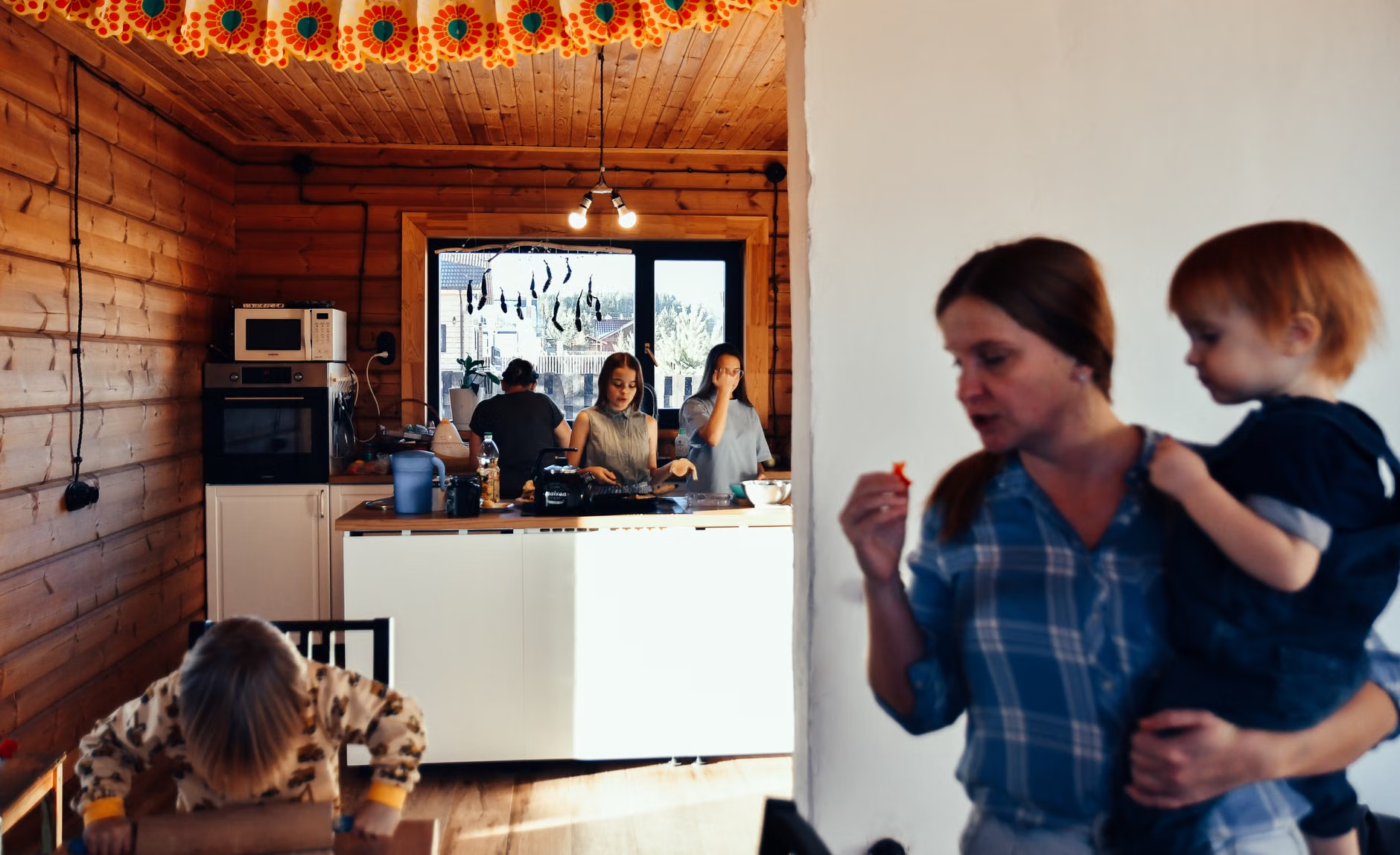
The first 24 hours on a canal boat are often the hardest for modern parents. You will feel an itch to check your phone, to “get somewhere,” or to look for a schedule. You might feel guilty for not visiting a museum or a tourist attraction. This is your “productivity withdrawal.”
By the second or third day, this usually dissipates. You start to notice that the act of steering the boat is inherently meditative. You are looking at the water, looking at the horizon, and physically feeling the movement of the rudder. This is a form of “active mindfulness” that is incredibly difficult to achieve in an office or a suburban home. When you finally stop for the night, mooring up to a quiet bank, the silence is often startling. There is no traffic, no hum of appliances—just the sound of the wind in the reeds.
Integrating Technology Without Ruining the Vibe
We are not suggesting you go full Luddite. Bring your tablets for the kids for the rainy hours, or your e-reader for the evenings. However, set a “docking rule.” When the boat is moving and the family is on deck, the devices stay inside. This creates a natural boundary where the “adventure” time is protected. If you treat the boat as a “no-screen zone” while in motion, the children will naturally gravitate toward helping with the ropes or simply watching the world pass by.
Preparing for Your First Trip: A Step-by-Step Guide
If you have decided to take the plunge, here is how to prepare:
- Book via a reputable operator: Use established firms that offer a “handover” session. They should spend at least an hour showing you how to operate the engine, the locks, and the toilet systems. Do not be afraid to ask them to demonstrate the same thing twice.
- Pack in soft bags: Space on a boat is at a premium. Hard-shell suitcases are a nightmare to store in a narrow corridor. Use duffel bags that can be squashed under a berth.
- Plan for “easy” meals: You are cooking in a galley kitchen that might be smaller than your home laundry room. Plan meals that use one pot or a simple grill. Think pasta, stews, or pre-made casseroles that just need heating.
- Bring appropriate footwear: You will be stepping on and off the boat onto muddy banks, gravel, and concrete locks. Non-slip, waterproof shoes are a safety requirement, not just a suggestion.
Understanding the Costs Beyond the Rental Fee
Rental prices are just the starting point. When budgeting for your week, you need to account for several “hidden” costs that are specific to the canal circuit. First, there is the fuel deposit. Most boats are rented with a full tank of diesel, and you pay for what you use upon return. Depending on the route and the number of locks (which require engine power to help maneuver), this can vary significantly.
Second, there are mooring fees. While many canal banks are free (the “towpath”), some private marinas or town docks charge a nightly fee. Third, consider the cost of groceries. You are essentially “camping” with a kitchen, so you need to buy supplies for the duration or plan stops in canal-side towns. Always keep a buffer of 15-20% of your total budget for unexpected needs—like an extra bag of coal for the stove or a mooring fee you hadn’t anticipated.
The Verdict: Is the Slow-Adventure Right for You?
The canal circuit is not for everyone. If you crave the adrenaline of a theme park or the luxury of a resort, you will find it frustrating. If you have a low tolerance for physical work or small, confined living spaces, this might not be your ideal vacation. However, if you are looking for a way to break the cycle of “busy-ness” and actually see your family interact in a setting that demands cooperation, there is perhaps no better way to spend a week.
It forces you to be present. It rewards patience. And most importantly, it gives you a shared story that is entirely your own, created at a speed that allows you to actually remember it. The most important thing you can bring on this trip is not a fancy camera or a list of sights to see—it is the willingness to let the schedule go and see where the next lock takes you.
Frequently Asked Questions
1. Do I need a special license to drive a narrowboat?
In most countries, including the UK, you do not need a formal license to operate a rental narrowboat. The rental company will provide a mandatory, hands-on training session before you leave the marina. As long as you follow their instructions and safety protocols, you are legally permitted to navigate the canals.
2. Is canal boating safe for small children?
Yes, but it requires vigilance. The primary rule is that children must wear a life jacket whenever they are on deck or assisting with locks. It is also wise to teach children early on where the “danger zones” are—specifically, never sitting on the edge of the boat or dangling legs over the side while the boat is in motion.
3. What happens if the boat breaks down or I get stuck?
Rental companies provide 24/7 support and have dedicated maintenance crews. If you encounter a mechanical issue, you call their support line, and they will either guide you through a fix over the phone or send a technician to your location. For getting “stuck” (like running aground), it is a common rite of passage—you simply use the boat pole to push off the bank or wait for a passing boat to give you a gentle nudge.
Official Resources for Further Research:
For those planning a trip in the UK, the Canal & River Trust offers excellent route planners and safety guidelines: https://canalrivertrust.org.uk. For international readers, look for local “Inland Waterways” governing bodies in your target region to ensure you understand specific regional rules.