Energy-harvesting sensors are the long-awaited solution to the most annoying part of smart home ownership: the endless cycle of replacing dead batteries in motion detectors, door sensors, and smart light switches.
- Eliminate Maintenance: Energy-harvesting devices convert ambient energy—like light, vibration, or temperature differences—into electricity, removing the need for battery replacements.
- Long-term Reliability: These sensors are designed to last for decades, significantly reducing the environmental impact of chemical battery waste.
- Best Use Cases: They are ideal for “set-and-forget” locations, such as window sensors, temperature monitors in hard-to-reach areas, and high-traffic light switches.
We have all been there. It is 11:00 PM, you are finally settling down on the couch after a long day of juggling work emails and school runs, and suddenly your smart home hub sends a notification: “Low Battery: Front Door Sensor.” The frustration is immediate. You have to hunt for a specific CR2032 coin battery that you know you don’t have in the junk drawer, or you have to climb a ladder to reach that high-up motion sensor in the hallway.
In our 30s and 40s, our time is our most valuable asset. We build smart homes to make life easier, not to add more chores to our growing to-do lists. This is where energy harvesting changes the game. By tapping into the small, overlooked energy sources already present in our homes, these sensors essentially power themselves.
How Your Home Can Power Its Own Sensors
The concept of “energy harvesting” (sometimes called energy scavenging) sounds like something out of a sci-fi novel, but the physics behind it is surprisingly grounded. Instead of relying on a chemical battery that eventually runs dry, these devices use transducers to convert ambient energy into usable electrical power.
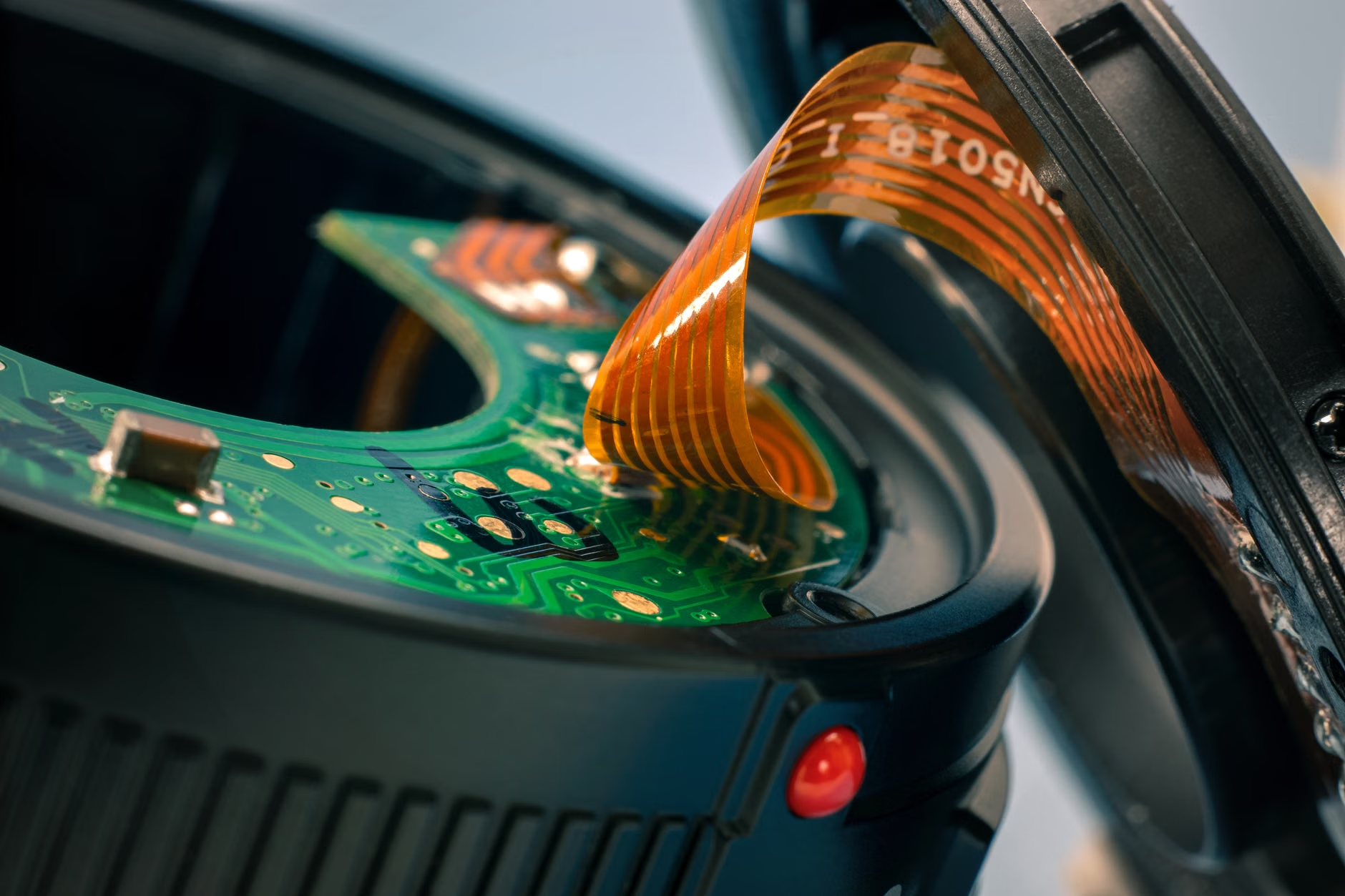
There are four primary ways these devices draw power in a residential setting:
- Photovoltaic (Light): These are not your typical rooftop solar panels. We are talking about tiny, highly efficient cells that can generate enough power for a sensor from the dim light of an average living room.
- Piezoelectric (Mechanical): Every time you press a kinetic light switch, a small crystal inside is squeezed. That physical pressure creates a tiny electrical pulse, which is enough to send a wireless signal to your smart hub.
- Thermoelectric (Heat): These harvest energy from temperature differentials. If one side of a sensor is touching a warm pipe and the other is exposed to cooler air, the difference in temperature is converted into electricity.
- Electromagnetic (Vibration): These capture energy from the subtle vibrations in appliances, like the hum of a refrigerator or a washing machine, converting that kinetic movement into power.
For the average homeowner, the most common implementation you will encounter today is the kinetic switch. You stick it to the wall, you never change a battery, and it works for years. It is a “set-and-forget” technology that finally lives up to the promise of home automation.
Why Battery-Free Tech Is the Future of Smart Home Maintenance
The standard “smart” ecosystem relies on batteries because it was the easiest way to get devices connected quickly. But batteries are a flawed foundation. They degrade, they leak, and they require a recurring, manual maintenance cycle. If you have a house with 20 sensors, you are effectively on a never-ending treadmill of battery management.
When you transition to energy-harvesting sensors, you aren’t just saving money on batteries; you are reclaiming your time and reducing your household’s chemical waste. A single lithium coin battery might seem small, but when you multiply that by the millions of smart home devices in use globally, the environmental cost becomes significant.
Consider the trade-offs in this table:
| Feature | Traditional Battery Sensors | Energy-Harvesting Sensors |
|---|---|---|
| Maintenance | Regular battery replacements (6-18 months) | Zero maintenance |
| Reliability | Risk of failure during low-battery state | Constant power, no downtime |
| Environmental Impact | High (Chemical waste) | Low (Long-life hardware) |
| Installation | Flexible, but requires access | Needs light or mechanical input |
The “Energy-Harvesting” category is particularly suitable for parents who want to child-proof their home without worrying about kids finding and swallowing small button batteries from wall-mounted sensors. It is a safety upgrade as much as a convenience one.
Real-World Scenarios: Where to Use Energy-Harvesting Tech
It is easy to get excited about the technology, but where should you actually put it? Not every sensor is a good candidate for energy harvesting. You need to align the sensor’s power source with the environment it lives in.
1. The High-Traffic Light Switch
Kinetic switches are the “killer app” for this technology. Because you physically press them, they generate their own power every time you enter a room. You can place these switches anywhere—on glass, on brick, or on furniture—without needing to run electrical wiring or worry about batteries. If you are renovating, this is the single best way to add three-way switching without breaking open your walls.
2. The Window and Door Sensor
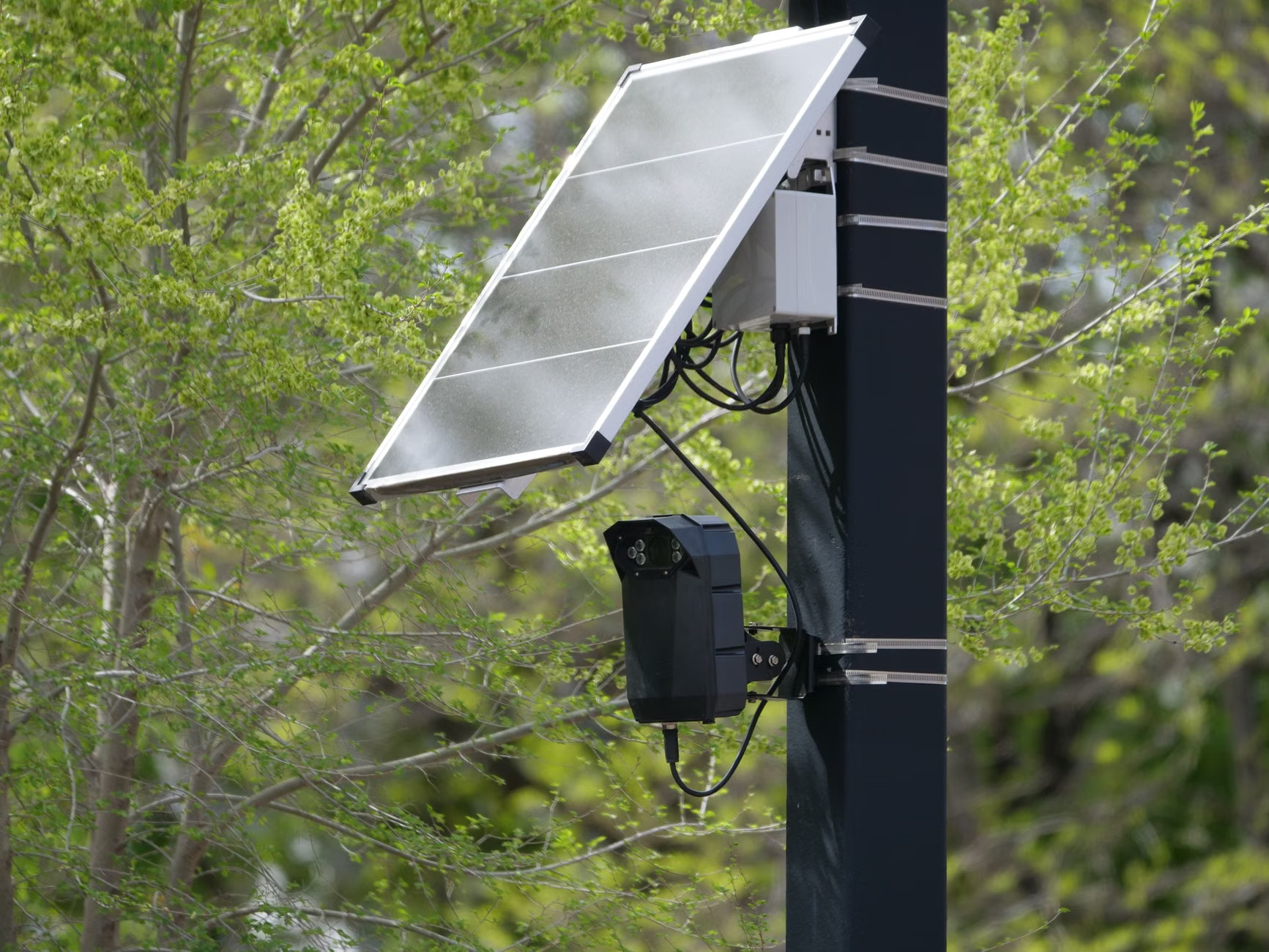
Light-harvesting contact sensors are ideal for windows that get at least a few hours of indirect sunlight. Since windows are the primary entry points for light in a home, the sensor is perfectly positioned to recharge its internal capacitor. You install it once, and you never have to worry if your security system is “offline” because of a dead battery.
3. The Temperature Monitor in the Attic or Basement
If you need to monitor the temperature of a basement or an attic to prevent pipes from freezing, you don’t want a battery-powered sensor there. Why? Because the cold actually drains batteries faster, leading to a failure exactly when you need the sensor the most. A thermoelectric sensor, which uses the temperature difference between the wall and the air, is much more reliable in extreme environments.
Common Misconceptions and What You Should Actually Expect
It is important to manage expectations. Energy-harvesting sensors are not “magic.” They have limitations, and understanding them will save you from frustration during the planning phase.
The “Darkness” Problem: If you buy a solar-powered sensor and place it in a windowless closet, it will stop working. Most of these devices have a small “supercapacitor” (a tiny energy storage unit) that can hold a charge for days or weeks in the dark, but it is not infinite. If you have a space that is perpetually dark, you need a different type of sensor, or you need to ensure the sensor is designed for very low light levels.
The Protocol Limitation: Energy harvesting requires very little power to transmit a signal. This means these devices often use low-power protocols like EnOcean or Zigbee Green Power. Before you buy, check your smart home hub. Does your hub (e.g., Home Assistant, SmartThings, Hubitat) support the specific frequency or protocol the sensor uses? If not, you might need a dedicated gateway or bridge.
The Initial Cost: Expect to pay a premium for energy-harvesting hardware. You are paying for the engineering required to make the device efficient enough to run on almost nothing. However, look at this as an investment. If a standard sensor costs $20 and lasts two years, and an energy-harvesting sensor costs $40 but lasts 15 years, you are coming out ahead in the long run—not just in money, but in the hours spent troubleshooting and replacing batteries.
A Strategic Approach to Upgrading Your Smart Home
Do not feel the need to rip out all your existing smart home tech at once. That is a recipe for a headache. Instead, use a “replacement-by-failure” strategy. The next time a battery-powered sensor in your home dies, don’t just replace the battery. Ask yourself:
- Is this a high-traffic area? If yes, look for a kinetic or energy-harvesting alternative.
- Is this a place where the battery is hard to reach? If yes, prioritize an energy-harvesting model.
- Is this a critical security device? If yes, prioritize reliability and maintenance-free operation.
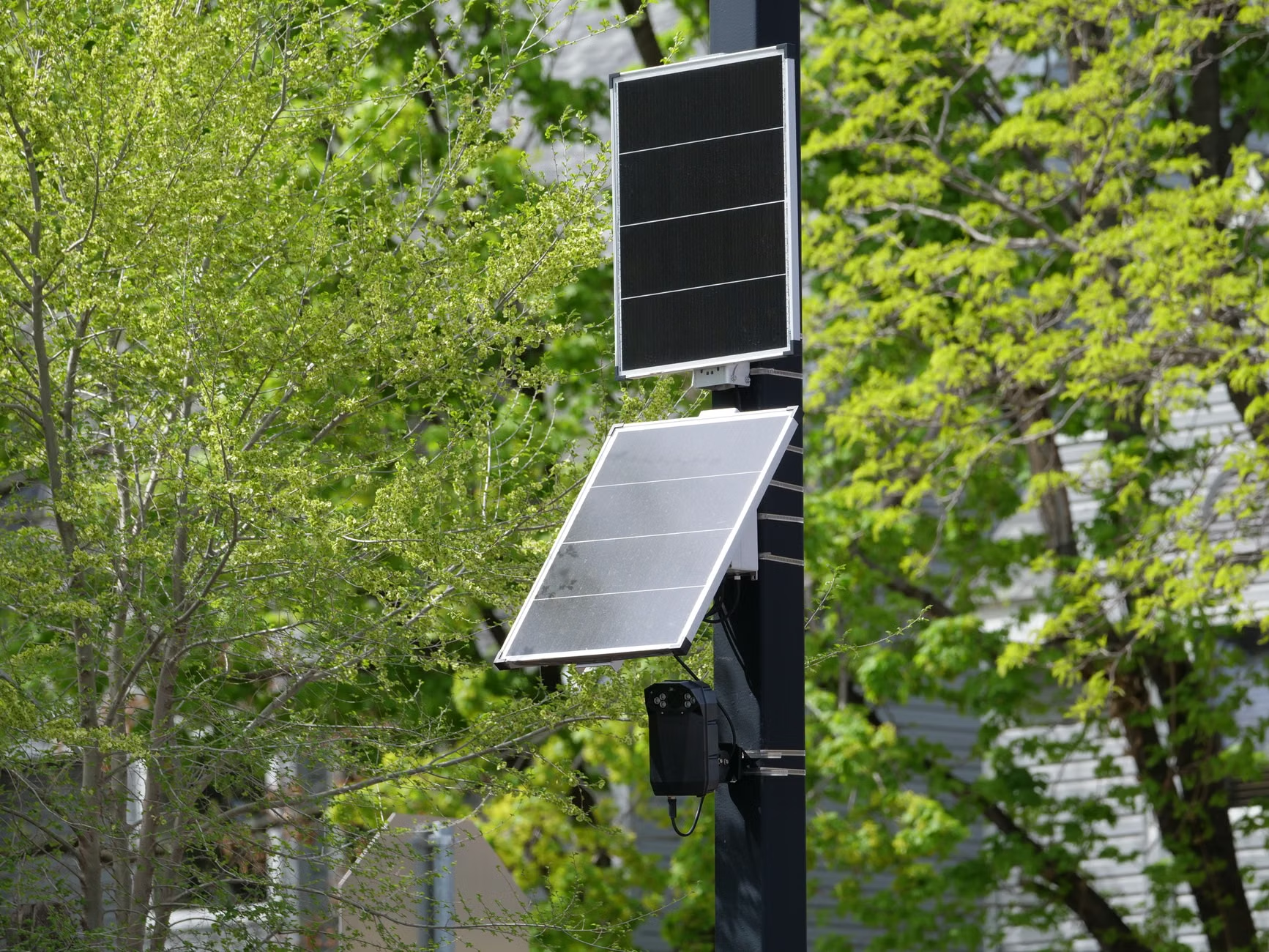
If you are building a new smart home system, or renovating a room, that is the perfect time to commit to energy-harvesting switches. They allow for a much cleaner design aesthetic because you don’t have to worry about where the power source is located. You can literally stick a light switch on the side of a bookshelf or a door frame, and it will function perfectly.
One overlooked variable: Connection Latency. Because energy-harvesting sensors have to “save up” their power before sending a signal, they are sometimes slightly slower than a device that is permanently plugged into a wall. For a light switch, this is imperceptible. For a security alarm that needs to trip in milliseconds, ensure the hardware you choose is rated for high-speed responsiveness.
Final Thoughts on the Maintenance-Free Future
The goal of a smart home is to simplify our lives, not to turn us into full-time IT support for our own living rooms. By moving toward energy-harvesting sensors, we are finally shifting from a model of “constant maintenance” to one of “install and forget.”
For those of us managing the chaos of work, family, and social obligations, this is a genuine win. It removes one more small, nagging task from our mental load. If you are planning your next smart home upgrade, look for the “battery-free” label. It might cost a bit more upfront, but your future self—the one who doesn’t have to go hunting for a CR2032 battery at midnight—will thank you.
Start small, test how these sensors integrate with your existing hub, and slowly phase out the battery-dependent devices in the areas of your home that get the most use. You will be surprised at how much quieter and more reliable your smart home feels once the constant “low battery” notifications stop.
Frequently Asked Questions
Q: Do these sensors work in complete darkness?
Most light-harvesting sensors are designed for indoor environments and can work in relatively low-light conditions. However, they do have a small storage capacity (a supercapacitor) that keeps them running for a limited time in the dark. If you have a room that is never exposed to natural or artificial light, you should choose a sensor that uses a different harvesting method, like kinetic or temperature-based energy.
Q: Are energy-harvesting sensors compatible with all smart home hubs?
Not necessarily. Many of these sensors use specialized protocols like EnOcean or Zigbee Green Power to keep energy consumption extremely low. Always check the product specifications to ensure it is compatible with your specific hub (e.g., Home Assistant, Hubitat, or specialized gateways). You may occasionally need a compatible USB dongle or bridge to “talk” to these specific devices.
Q: Are these sensors more expensive than traditional ones?
Yes, the initial purchase price is generally higher because of the advanced internal hardware. Think of it as a long-term investment: you pay more upfront to eliminate the recurring costs of batteries and the labor of maintenance. Over a 5-to-10-year period, the total cost of ownership is often lower for energy-harvesting devices, especially when you factor in the time saved.
For further reading on the standards and technical specifications of self-powered IoT devices, you can explore the EnOcean Alliance, which sets the industry standard for energy-harvesting wireless technology. Additionally, check your hub manufacturer’s compatibility list for “Zigbee Green Power” devices to see if your current setup supports these battery-free options.