The most effective way to teach your toddler to dress themselves is by using the Scaffolding Method—a technique where you provide just enough support to complete the task, gradually withdrawing that help as their motor skills and confidence grow. Instead of doing the work for them or expecting total independence overnight, you act as the “scaffold” that keeps their efforts from collapsing into frustration.
- The 80/20 Rule: Aim for your child to do 80% of the movement, while you provide the 20% “anchor” (like holding the waistband open) to ensure success.
- Environment is Half the Battle: If a child cannot reach their clothes or the clothes are too complex (buttons, tight necks), the method will fail regardless of your patience.
- Front-Loading Independence: Use “backward chaining”—you do the first 90% of the task, and let the child finish the final, most rewarding 10%.
Why Scaffolding Works for Toddlers
If you have ever spent 15 minutes trying to get a toddler into a pair of skinny jeans while you are already ten minutes late for work, you know that dressing is a high-stakes emotional event. Most parents view dressing as a functional chore: get the clothes on, get out the door. However, from a developmental perspective, dressing is a complex sequence of cognitive and physical tasks.
Scaffolding, a concept rooted in the work of psychologist Lev Vygotsky, suggests that children learn best when they are challenged just beyond their current ability but provided with enough support to bridge the gap. When you “scaffold” dressing, you are not just teaching them how to pull up pants; you are teaching them problem-solving, spatial awareness, and self-efficacy.
For parents in their 30s and 40s juggling careers, household management, and personal well-being, this method is a long-term investment. Yes, it takes longer today. But in six months, it saves you hours of morning labor. The frustration usually stems from the “all or nothing” approach—either the parent does it all, or the child is left to struggle until they cry. Scaffolding lives in the middle ground.
The Physical and Cognitive Requirements
Before you start, it is vital to understand what your toddler is actually capable of. Trying to teach a 20-month-old to button a shirt is like asking an adult to solve a complex math problem while running a marathon. It is physically impossible for their current neural pathways and fine motor control.
Motor Skills Breakdown:
- 18–24 Months: Starting to push arms through sleeves and help pull pants down.
- 24–30 Months: Ability to pull on loose pants (if elastic) and take off socks.
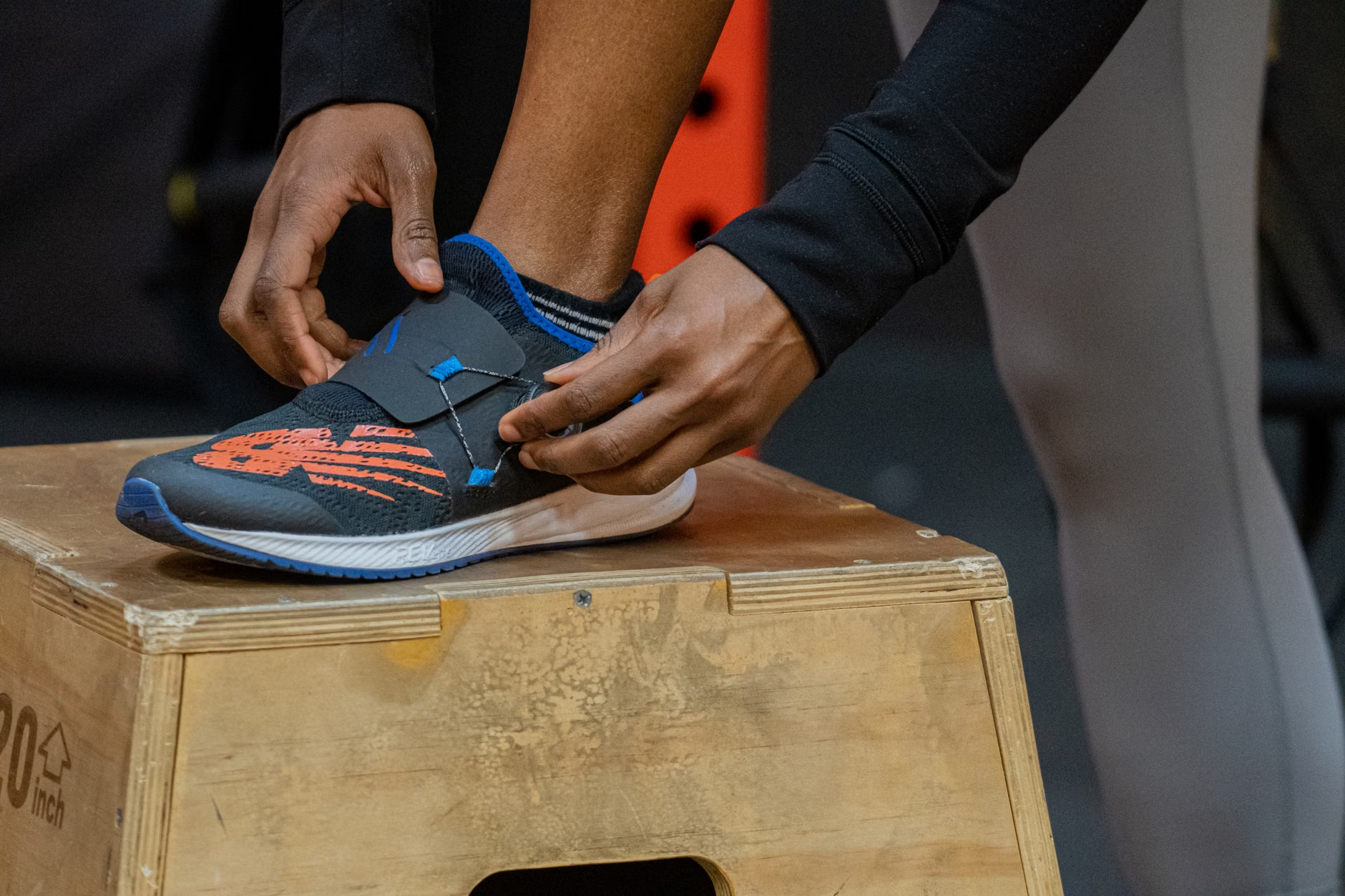
- 3 Years+: Mastering front buttons, putting on shoes (if easy-on), and dressing with minimal supervision.
When you ignore these biological realities, you create a cycle of failure. If you are frustrated because your toddler “won’t” dress themselves, ask yourself: Is it a lack of will, or a lack of physical coordination? Most of the time, it is the latter. Scaffolding acknowledges these limits by adjusting the task to match the child’s current motor skill level.
Step-by-Step: The Backward Chaining Technique
The most powerful tool within the scaffolding framework is backward chaining. This is a behavioral strategy where you teach a multi-step task by starting with the last step first. Why? Because the child gets the immediate reward of completing the task, which releases dopamine and builds the confidence to try the earlier steps next time.
Imagine the process of putting on trousers:
- Step 1 (The Setup): You pull the pants all the way up to the child’s knees. You hold the waist open.
- Step 2 (The Finish): You ask the child to pull them the rest of the way up.
- The Reward: The pants are on! They feel successful.
Over the next two weeks, you gradually move the starting point further down. Eventually, you only pull the pants onto their feet. Then, you just lay the pants on the floor and guide them to step in. By starting at the end, you guarantee a “win” for your toddler every single morning. This prevents the “I can’t do it!” meltdown that stops most parents from even trying.
Designing a Dressing-Friendly Environment
You cannot scaffold effectively if your home environment is working against you. If the wardrobe is high, the drawers are heavy, and the clothes are tight-fitting, you have set the child up for failure. Independence requires accessibility.
The “Independent Wardrobe” Checklist:
| Feature | Why it Matters | Actionable Change |
|---|---|---|
| Drawer Height | Allows agency | Use a low dresser or move daily items to the bottom drawer. |
| Clothing Fit | Reduces friction | Buy pants with loose elastic waists; avoid buttons/zippers for now. |
| Visibility | Encourages choice | Use open baskets rather than deep, dark drawers. |
| Orientation | Spatial awareness | Teach the “tag is at the back” rule consistently. |
When you organize the space to allow success, you move from “being the boss” to “being the coach.” If you want to see if your child is ready for more independence, try the “Two-Choice Rule.” Instead of asking “What do you want to wear?” (which is overwhelming), offer two pre-selected, weather-appropriate outfits. This limits the cognitive load while still granting them the autonomy they crave.

Common Mistakes and How to Avoid Them
Even with the best intentions, parents often fall into traps that stall progress. Avoiding these common pitfalls is just as important as the technique itself.
Mistake 1: The “Correction” Trap
Your toddler puts their shirt on inside out. The instinct is to fix it immediately. Don’t. If the shirt is on, celebrate the effort. If it is not causing physical discomfort, let it be. Correcting them immediately signals that their effort wasn’t “good enough.” If you must fix it, say, “Great job getting your shirt on! Do you want to see a trick to make the tag go to the back?”
Mistake 2: The Time Crunch
Trying to teach a new skill at 7:45 AM on a Tuesday is a recipe for disaster. Morning routines are for efficiency; practice sessions are for the weekend. Use the slow, unhurried time on a Saturday morning to practice the “scaffolded” steps. When you aren’t worried about the school bus or the commute, you can afford to let them take three minutes to pull on a sock.
Mistake 3: Over-Assistance
This is the most common error. If you are doing 90% of the work, the child has no room to learn. If you find yourself doing the work, ask: “What is one small part of this they can do?” Maybe it’s just pulling the velcro strap tight. Maybe it’s just pushing their arm through the sleeve. Find that one piece and step back.
The Psychology of “I Do It Myself”
Between the ages of two and four, the drive for autonomy is intense. This is often labeled as the “terrible twos,” but it is more accurately described as the “I-can-do-it” phase. When you scaffold dressing, you are channeling this developmental drive into a constructive activity.
When a child succeeds at dressing, they aren’t just getting dressed—they are confirming their own agency. They are learning that they have an impact on their environment. This is the foundation of self-confidence. Conversely, if a parent constantly takes over, the child learns that they are incapable, leading to learned helplessness. By providing a scaffold, you are essentially saying, “I trust you to do this, and I am here to help you when the task is just a little too big.”

Addressing the Challenges: When Progress Stalls
There will be days when your toddler refuses to dress themselves entirely. This is normal. Toddlers are often tired, hungry, or seeking connection. Sometimes, the “I won’t” is actually a plea for “I want you to take care of me.”
In these moments, do not force the independence. If you force it, you turn a life skill into a power struggle. Instead, try the “Collaborative Dressing” approach. Say, “I can see you’re tired today. Let’s do this together. I’ll hold the shirt, you put your arms in.” This keeps the expectation of participation alive without the pressure of total independence. You are maintaining the scaffold, even if you are holding it a bit tighter that day.
Another variable to consider is sensory processing. Some toddlers are highly sensitive to seams, tags, or the feeling of fabric pulling over their heads. If your child has a visceral reaction to dressing, it may not be behavioral—it may be sensory. In such cases, prioritize comfortable, tagless, seamless clothing. The “scaffolding” here might simply mean finding clothes that don’t trigger a sensory meltdown.
Structuring the Morning Routine for Success
To make this sustainable, you need a routine that doesn’t rely on willpower. The brain is a resource-limited organ; don’t waste it on decision-making at 7:00 AM.
- The Night Before: Select the clothes together the night before. This removes the “what to wear” debate from the morning.
- The Visual Cue: Lay the clothes out in the order they go on (e.g., pants on the bottom, shirt on top).
- The Check-in: When the child wakes up, remind them of the plan. “Remember, you’re going to be the captain of your dressing today.”
By shifting the responsibility of the process to the child, you are offloading a portion of the morning stress from your own plate. It changes the dynamic from “Parent vs. Child” to “Team vs. The Morning Routine.”
Long-term Benefits: Beyond the Wardrobe
The lessons learned through the scaffolding of dressing extend far beyond the bedroom. When a child masters their clothing, they learn that effort leads to results. They learn that they can tackle complex, multi-step tasks by breaking them down into manageable pieces. This is a fundamental executive function skill that will serve them through school and into adulthood.
Furthermore, this process strengthens the parent-child bond. Instead of being the person who forces them into clothes, you become the person who supports their growth. It is a subtle but profound shift in your relationship dynamic. You are respecting their development, and in return, you are gaining a more cooperative, confident child.
Practical Tips for Success
- Use oversized clothing: It is easier to manipulate when it’s not skin-tight.
- Incorporate play: “Let’s see if your toes can find the tunnel!” when putting on pants.
- Celebrate the process, not the outcome: Praise the fact that they tried to put the sock on, even if it ended up on their heel.
- Limit the duration: If it’s not happening in 5 minutes, pivot to helping them finish so you can move on.
Refining Your Approach
As your child grows, the “scaffold” must change. What worked at 24 months will be unnecessary at 36 months. Periodically re-evaluate how much you are doing. If you are still pulling their pants up at age four, you have likely built a dependency rather than a scaffold. Watch for signs of boredom or frustration—these are often signals that the child is ready to take over a new part of the task.
Remember that every child develops at a different pace. There is no “correct” age to be fully independent. The goal of the scaffolding method is not to meet a milestone by a specific date, but to foster a consistent, positive relationship with self-care. If you are consistent, patient, and provide the right environment, the independence will follow naturally.
Final Thoughts
The goal of the scaffolding method is to eventually make yourself obsolete. By providing support today, you are building the capacity for your child to navigate their world independently tomorrow. Start small, focus on the final step, and ensure the environment is set up for success. You aren’t just getting your toddler dressed; you are teaching them that they are capable, competent individuals. That is a lesson that will last far longer than the clothes they wear.
For further reading on child development and autonomy, you can consult resources like the Zero to Three organization, which offers science-backed insights into the early years of development and the importance of fostering independence in a supportive environment.
Frequently Asked Questions
1. How do I know if I’m scaffolding too much or too little?
If your child is constantly crying or giving up, you are likely scaffolding too little—the task is too hard. If your child is bored or shows no interest, you are likely doing too much for them. The “sweet spot” is when they are focused, putting in effort, and succeeding with just a small amount of your help.
2. What if my child refuses to dress themselves even when I offer help?
Refusal often stems from a need for connection or a feeling of being rushed. Try “body doubling”—sit on the floor next to them and get dressed yourself. Sometimes, seeing you perform the task is the best encouragement. If they still refuse, don’t force it; help them to keep the morning moving and try again the next day.
3. Does this method work for children with special needs or developmental delays?
The scaffolding method is highly adaptable and often used in occupational therapy. However, if your child has specific motor or sensory challenges, it is best to consult with a pediatric occupational therapist who can tailor the “scaffold” to your child’s specific needs, ensuring the movements are aligned with their physical capabilities.
Disclaimer: This article provides general guidance based on developmental principles. Every child is unique; if you have concerns about your child’s motor development, please consult with your pediatrician.