Key Takeaways for Luggage-Free Family Travel
- Outsource the heavy lifting: Multi-city luggage forwarding services allow you to ship bags from hotel to hotel, bypassing airport carousels and public transit struggles entirely.
- Strategic packing is mandatory: You must pack a “carry-on survival kit” for the 24-hour window when your main luggage is in transit between cities.
- Cost vs. Convenience: While services carry a premium, the trade-off is avoiding physical exhaustion and potential taxi/rental car upgrades needed to accommodate massive family luggage.
The secret to keeping your sanity during a multi-city family vacation isn’t packing lighter—it’s not carrying your luggage at all. If you have ever tried to navigate a crowded train station or a labyrinthine airport terminal with two children, a stroller, and three checked bags, you already know that the physical toll of luggage management can ruin the first day of any trip. For parents in their 30s and 40s, the “multi-city luggage-free” trend is not a luxury; it is a tactical shift in travel logistics that turns a logistical nightmare into a seamless transition.
Why Luggage-Free Logistics are the New Standard for Families
Travel in your 30s and 40s often involves juggling the needs of children while trying to maintain some level of personal comfort. The traditional model of “hauling your own gear” is fundamentally broken when you introduce strollers, car seats, and the inevitable surplus of gear that comes with family life. Luggage-free logistics—the practice of using professional courier services to move your bags from point A to point B—solves the biggest friction point in travel: the transition between transit hubs and your accommodation.
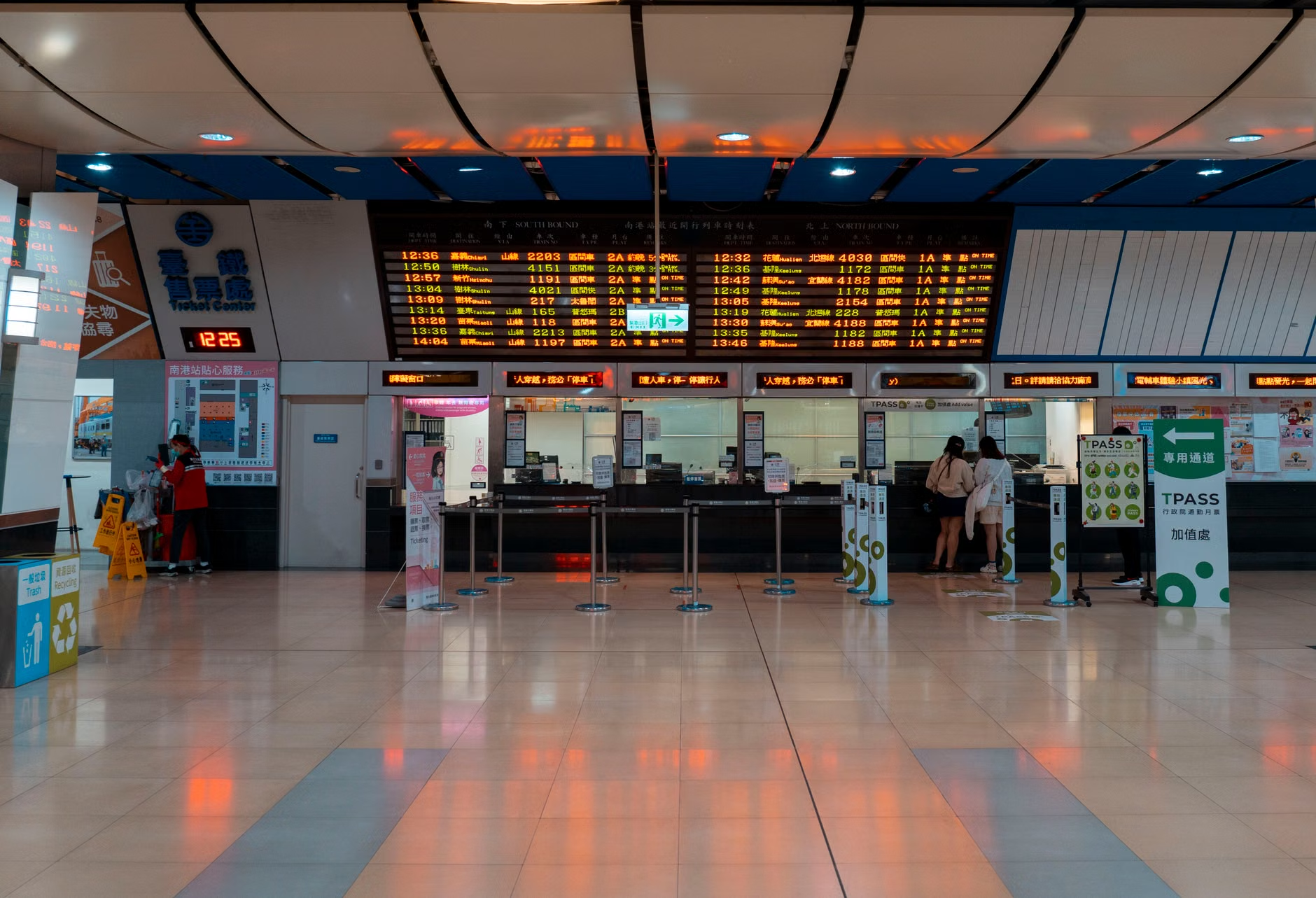
When you arrive at a new city, the last thing you want to do is hunt for a taxi large enough to fit your luggage or struggle with train station lockers. By using a luggage forwarding service, your bags are collected from your hotel lobby and delivered to your next destination. This means you arrive at your next stop with nothing but your daypacks, allowing you to head straight to a museum, a park, or a restaurant without checking into a hotel first.
This service matters because it fundamentally changes your “travel energy budget.” Instead of spending 90 minutes of high-stress labor navigating transit with heavy bags, you spend that time engaging with your kids. It eliminates the “arrival fatigue” that often triggers tantrums and parental burnout. It isn’t about laziness; it’s about optimizing your limited vacation time for experiences rather than logistics.
The Mechanics of Multi-City Luggage Forwarding
How does this actually look in practice? It is simpler than most parents realize, but it requires a change in mindset. Most luggage-forwarding services operate through a simple digital interface. You input your pickup location (usually your hotel lobby or a specific courier drop-off point) and your destination address. The courier handles the cross-city or cross-country transit.
The most common mistake parents make is assuming these services are only for airport-to-airport transit. In reality, the most valuable services are those that bridge the gap between cities. For example, if you are traveling from London to Paris by train, you can have your main bags picked up in London the morning you leave and delivered to your hotel in Paris by the following evening. You travel with a small carry-on containing only the essentials for that 24-hour window.
Step-by-Step Execution for a Stress-Free Transition
- Select a Reliable Provider: Look for established companies that specialize in international courier logistics. Avoid “gig economy” startups that lack insurance for lost items.
- The “24-Hour Rule” Pack: Always pack one day’s worth of clothes and toiletries in your backpack. This is your insurance policy against delivery delays or unexpected logistical hiccups.
- Label Everything: Even if the courier provides digital tracking, use physical, durable tags on every bag. Include your name, the destination hotel’s address, and a contact phone number.
- Confirm with the Concierge: Before you book, call your destination hotel. Ensure they accept courier deliveries and ask where they store them. Most upscale and mid-range hotels are very familiar with this; some will even place your bags in your room before you arrive.
The Hidden Costs and Trade-offs
It is important to be realistic: this service is not free. You are paying for convenience. However, you must compare this cost against the alternative. If you are a family of four, you might need a larger taxi or a private transfer to accommodate your luggage. In many major cities, the price difference between a standard taxi and a “large vehicle” transfer can be significant. When you factor in the cost of luggage lockers at train stations—which are often expensive and hard to find—the price of a courier service begins to look much more reasonable.
One overlooked variable is the customs and regulatory aspect of international shipping. If you are moving luggage across borders (e.g., crossing from the EU into Switzerland), you may be required to provide a detailed inventory for customs. This can be a pain, but many professional luggage-forwarding services now offer “all-in” pricing that includes customs brokerage, which simplifies the process significantly. Always check if the service you choose handles the customs paperwork on your behalf.
Common Misconceptions About Luggage Delivery
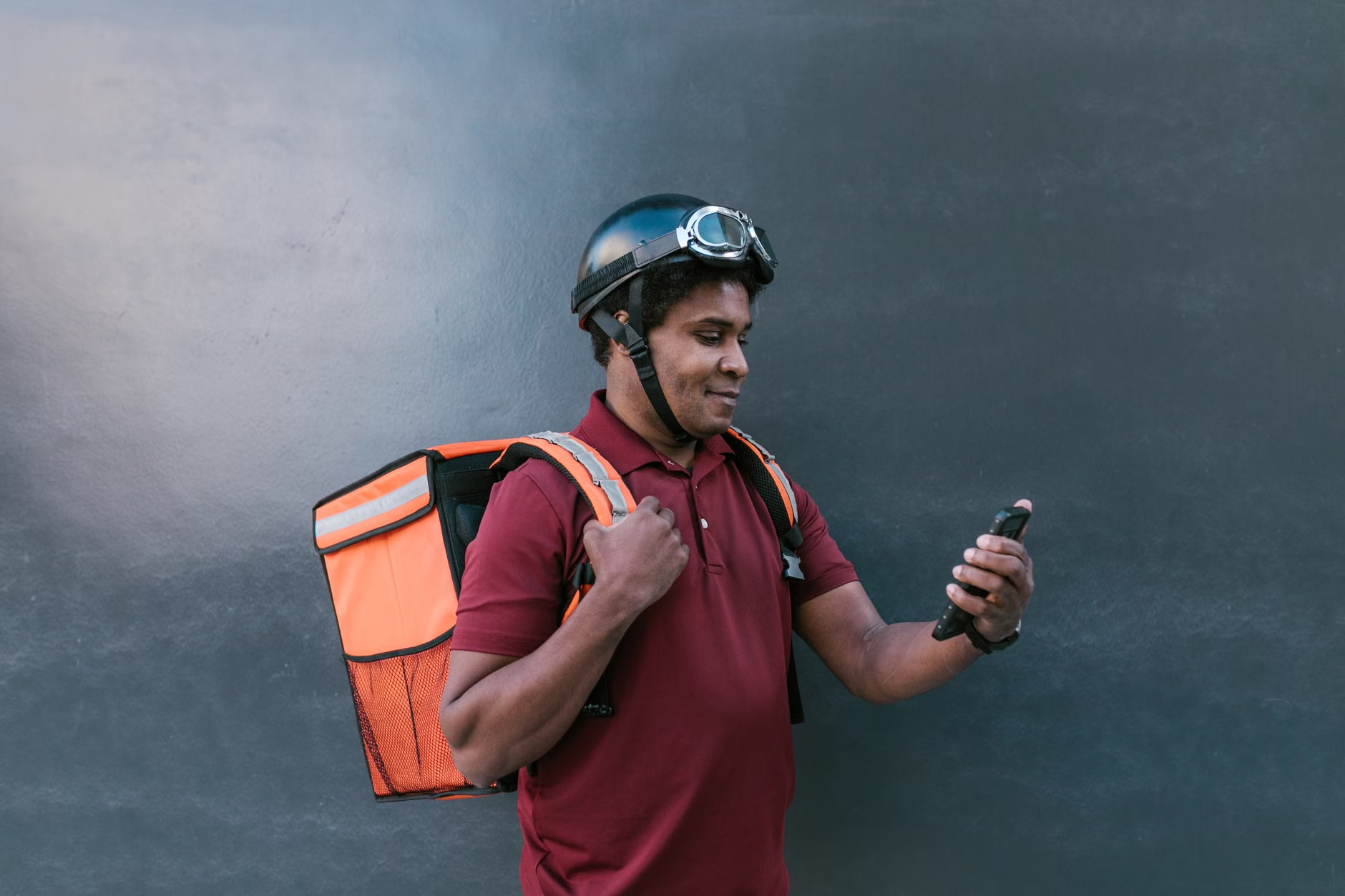
Many travelers hesitate because they fear their luggage will be lost. While no system is perfect, professional courier services generally have lower loss rates than airline baggage handling systems. Why? Because they operate on a scheduled, point-to-point basis rather than an automated, high-speed sorting system designed for thousands of bags per hour.
Another misconception is that this is only for “wealthy” travelers. In reality, it is a tool for time-poor parents. If your time is worth more than the $50–$100 you might spend on a bag transfer, you are the target demographic. It is an investment in your mental health. By removing the physical burden of travel, you reduce the overall stress level of the trip, which often leads to fewer arguments and a more harmonious family dynamic.
Comparison: Self-Hauling vs. Professional Forwarding
| Factor | Self-Hauling | Professional Forwarding |
|---|---|---|
| Physical Effort | High (Dragging, lifting, stair-climbing) | Low (Walking with daypacks) |
| Flexibility | High (Everything is with you) | Low (Requires 24-hour planning) |
| Cost | Low (Direct cost) | Medium/High (Service fee) |
| Arrival Experience | Chaotic (Hotel check-in/luggage storage) | Seamless (Head straight to activities) |
The table above illustrates the trade-off. Self-hauling offers the “safety” of having your stuff with you, but at a massive physical cost. Professional forwarding requires you to trust a third party and plan ahead, but it buys you the freedom to move through a city like a local, not a pack mule.
Managing the “Survival Kit” Strategy
The success of the luggage-free model hinges on what you keep with you. If you are traveling as a family, your daypacks should be curated with military-grade precision. Do not just throw random items in. You need a structured packing list for your “carry-on” survival kit.
Your survival kit should include:
- Essential Medications: Never ship your prescription meds. Keep them in your carry-on.
- Electronics and Chargers: Keep all power banks, tablets, and phones with you.
- Change of Clothes: One full outfit for every family member, including fresh underwear and socks.
- Documents: Passports, insurance details, and reservation printouts should remain on your person at all times.
- Snacks and Entertainment: The usual suspects for keeping kids happy during transit.
If you have a baby, this kit is even more critical. Include enough diapers for 24 hours, formula or snacks, and a change of clothes for both the baby and the parent. The goal is to be self-sufficient for a full day, regardless of whether your main luggage arrives exactly on time or is delayed by a few hours.

Decision Criteria: When to Use Which Service
Not all trips are created equal. If you are spending two weeks in a single villa, luggage forwarding is likely overkill. However, if you are doing a “multi-city” trip where you change hotels every 3–4 days, it is a game-changer. Use the following criteria to decide if you should use a luggage-free service:
- Transit Difficulty: Are you using public transit with multiple transfers? If yes, use a service.
- Number of Bags: More than two large suitcases for a family of four? Use a service.
- Duration of Stay: Are you staying in a city for less than 48 hours? If yes, the time saved by not managing luggage is immense.
- Physical Condition: Do you have back issues or are you traveling solo with multiple children? This is not just a convenience; it is a necessity for your physical well-being.
If you are traveling by rental car, you have more flexibility, but even then, fitting four people and four suitcases into a standard sedan is often impossible, forcing you to rent a larger vehicle at a higher daily rate. In many cases, paying for luggage forwarding is actually cheaper than the “SUV upgrade” at the car rental counter.
Overlooked Variables and Unexpected Trade-offs
One common pitfall is the “location disconnect.” If you are staying in an Airbnb or a vacation rental, verify that the host or a building manager is available to receive the delivery. Unlike hotels, which have 24-hour reception, residential buildings may not accept packages. If you are staying in an apartment, check if the courier service offers “drop-off points” at local convenience stores or specialized locker stations.
Another overlooked variable is the impact of weather. If you are shipping bags in winter, ensure the courier service uses climate-controlled transit if you are shipping sensitive items (like electronics or specialty equipment). While most luggage is durable, extreme temperature fluctuations during transit can affect certain items.
Finally, consider the timing of your delivery. Some services offer “next day” delivery, while others take 48 hours. If you are moving between cities, ensure your booking window accounts for the transit time. You don’t want to arrive in Rome only to find out your bags are still in Florence because you didn’t account for the courier’s transit schedule.
Taking Action: Your Next Steps
If you are ready to try this for your next family vacation, start by researching providers in your destination region. In Europe, services like LuggageFree or SendMyBag are well-established. In Asia, Japan’s Takkyubin (Yamato Transport) is the gold standard, and many hotels handle the entire process for you at the front desk. The key is to look for companies with clear insurance policies and transparent pricing.
Do not wait until the day before you leave to set this up. Researching the options and confirming that your accommodation is “service-friendly” should be part of your initial trip planning process, right alongside booking flights and hotels. Once you experience the freedom of navigating a new city with just a light backpack, you will find it very difficult to go back to the old way of traveling.
Travel is meant to be an exploration, not a test of your physical endurance. By outsourcing the logistics, you are prioritizing the moments that actually matter: the look on your child’s face when they see a new landmark, the shared meals, and the ability to move through the world with ease. It is a small change in logistics, but it makes a massive difference in the quality of your family time.
Frequently Asked Questions
How do I ensure my luggage is safe during transit?
Most reputable luggage-forwarding services provide real-time tracking via an app or website. Additionally, they offer insurance coverage for lost or damaged items. Always check the terms of service to ensure your bag’s value is covered, and consider purchasing additional travel insurance if you are carrying high-value items.
What happens if my luggage arrives after I do?
This is exactly why the “24-hour survival kit” is essential. If your luggage is delayed, most services will provide a per-day allowance for essential purchases while you wait. However, by keeping the essentials with you, you ensure that a delivery delay becomes a minor inconvenience rather than a trip-ruining disaster.
Is this service available for all types of accommodation?
Hotels are the easiest because they have staff to receive deliveries. Vacation rentals and Airbnbs can be trickier. Always contact your host first. If they cannot accept deliveries, look for a courier service that offers drop-off at local partner locations, such as luggage storage facilities or convenience stores near your accommodation.
Official information on international luggage forwarding and customs regulations can often be found on government travel portals or the websites of major logistics providers like Yamato Transport or specialized international services like LuggageFree.