- Verify before you book: Don’t rely on the word “eco” in marketing; look for third-party certifications like the Global Sustainable Tourism Council (GSTC) recognized labels.
- Audit the infrastructure: Authentic sites prioritize water conservation, renewable energy, and waste reduction over mere aesthetic “nature” themes.
- The 30-40s Parent Rule: Prioritize sites that offer educational, low-impact activities for kids, as these sites are more likely to have a genuine commitment to environmental stewardship.
If you have spent any time on Instagram or Pinterest lately, you have likely been served ads for “eco-friendly” glamping getaways. The images are always the same: a canvas bell tent, a plush bed, and a breathtaking view. But here is the reality check: many of these sites are just glorified campsites with high price tags and very little actual commitment to the environment. For those of us in our 30s and 40s trying to balance a busy work-life schedule with the desire to show our children the beauty of the outdoors, the “eco” label is often a marketing trap.
True sustainability in travel isn’t just about avoiding plastic straws. It is about the entire lifecycle of the site, from how they manage the land to how they handle your family’s waste. If you are going to pay a premium for a “nature-first” experience, you deserve to know that your money is actually supporting a site that protects the environment, rather than one that is simply capitalizing on the trend.
Beyond the Buzzword: Why ‘Eco-Friendly’ Often Means Nothing
The term “eco-friendly” is not legally protected in most jurisdictions. Any property owner can slap a few solar-powered lanterns on a porch and call themselves an “eco-resort.” This is the definition of greenwashing. When you are planning a family trip, you are already managing a dozen moving parts—childcare, work deadlines, and budget constraints. You do not have the time to investigate every site’s environmental policy, but you also don’t want to inadvertently contribute to habitat destruction or poor waste management.
Think of it like buying organic produce. You don’t just trust a sign that says “healthy”; you look for the certified label. The same logic applies to travel. The sites that truly care about the planet usually undergo rigorous audits to prove it. If a site is hiding behind vague marketing language like “we love nature” but cannot point to a specific policy or certification, that is your first red flag. It is not about being a perfectionist; it is about ensuring that the “nature” you are paying to visit remains intact for your children to enjoy years from now.

The Audit Checklist: What to Look for Before You Click ‘Reserve’
To cut through the noise, you need to conduct a quick “sustainability audit” before you finalize your booking. You don’t need a degree in environmental science to do this. You just need to look for specific, verifiable actions. If a site doesn’t list these on their website, a quick email to their front desk can be very revealing. If they can’t answer these questions, you have your answer.
1. Energy and Resource Management
Does the site rely exclusively on the grid, or do they supplement with solar, wind, or geothermal power? Authentic eco-sites often have limited power availability, which is a trade-off for the experience. If a site promises full, high-voltage air conditioning and hot tubs in a remote, “off-grid” wilderness area, they are likely burning massive amounts of diesel or drawing heavily from a fragile local grid. Ask: “What is your primary energy source?”
2. Waste and Water Infrastructure
This is the unglamorous side of sustainability. Where does the water go? Sites that are genuinely sustainable often use composting toilets or advanced greywater filtration systems to protect the local groundwater. If they have standard flush toilets, ask if they are connected to a municipal sewer system or a private septic system. In remote areas, a poorly managed septic system can leach into local streams. A professional site will be happy to explain their system.
3. Land Stewardship and Local Integration
Does the site allow for natural wildlife corridors? Are the structures built on raised platforms (which minimize ground impact) or are they concrete pads? Concrete is a massive carbon emitter and destroys the topsoil. A truly eco-conscious site will minimize the footprint of their structures, leaving the surrounding vegetation as undisturbed as possible.
| Feature | Greenwashed Site | Authentic Eco-Site |
|---|---|---|
| Energy | Standard grid connection | Solar/Renewable supplemented |
| Waste | Single-use plastics everywhere | Bulk dispensers, composting |
| Construction | Permanent concrete pads | Removable/Raised platforms |
| Food | Imported, processed goods | Locally sourced, seasonal |
This table helps you compare the fundamental differences. A site that offers “luxury” in the middle of a protected wilderness area by importing everything and creating massive amounts of waste is not an eco-site; it is a luxury hotel with a tent roof. Look for the “Authentic” column, and you will find a more grounded, educational experience for your family.
The Hidden Costs of ‘False’ Eco-Tourism
Why does this matter beyond the obvious environmental impact? There is a “hidden cost” to staying at a greenwashed site. Often, these sites prioritize the “look” of the experience over the reality. You might find yourself in a tent that looks great in photos but lacks proper insulation, meaning you are burning energy to keep it warm or cool. Or, you might find that the “nature” you are visiting is actually a monoculture lawn that has been sprayed with pesticides to keep bugs away—hardly the immersive, educational experience you wanted for your kids.
When you choose a site that is truly sustainable, you are often choosing a site that is more integrated into the local community. These sites frequently hire local guides, serve local food, and contribute to the preservation of the surrounding region. It turns a “vacation” into a “connection.” For families in their 30s and 40s, this is a significant value add. You are teaching your children that travel is about being a guest in someone else’s home, not just a consumer of a service.

Step-by-Step: How to Verify Your Next Booking
If you want to be sure about your next trip, follow this simple protocol. It takes about 10 minutes and will save you from a disappointing vacation.
- Check the Certification: Look for logos from the Global Sustainable Tourism Council (GSTC) or regional equivalents like Ecotourism Australia. These aren’t just badges; they require audits.
- Scan the ‘About Us’ Page: If they talk about “saving the planet” but don’t mention a specific conservation partner or local initiative, be skeptical. A real site will tell you exactly which local organization they support.
- Look at the Map: Use Google Earth or satellite view. Does the site look like a dense, paved resort, or is it spread out with plenty of natural canopy? Over-development is the enemy of sustainability.
- Check the Menu: If they offer a farm-to-table dining experience, they are likely sourcing locally, which reduces the carbon footprint of your stay significantly.
Common Mistake: Confusing “Remote” with “Sustainable.” Just because a site is in the middle of nowhere does not mean it is sustainable. In fact, remote sites often have higher carbon footprints because of the transportation required to get supplies there. A site that is closer to town but utilizes public transport links or encourages biking can actually be more sustainable than a remote luxury site that requires a long drive and helicopter supply drops.
The Role of Technology in Modern Sustainability
We live in an age where technology can help us be better travelers. Apps like HappyCow can help you find sustainable food sources nearby, while carbon footprint calculators can help you understand the impact of your travel to the site. However, the most important technology is the one used on-site. Look for smart energy monitoring systems, greywater recycling, and LED lighting. These aren’t just gadgets; they are markers of a site that is actively managing its resources.
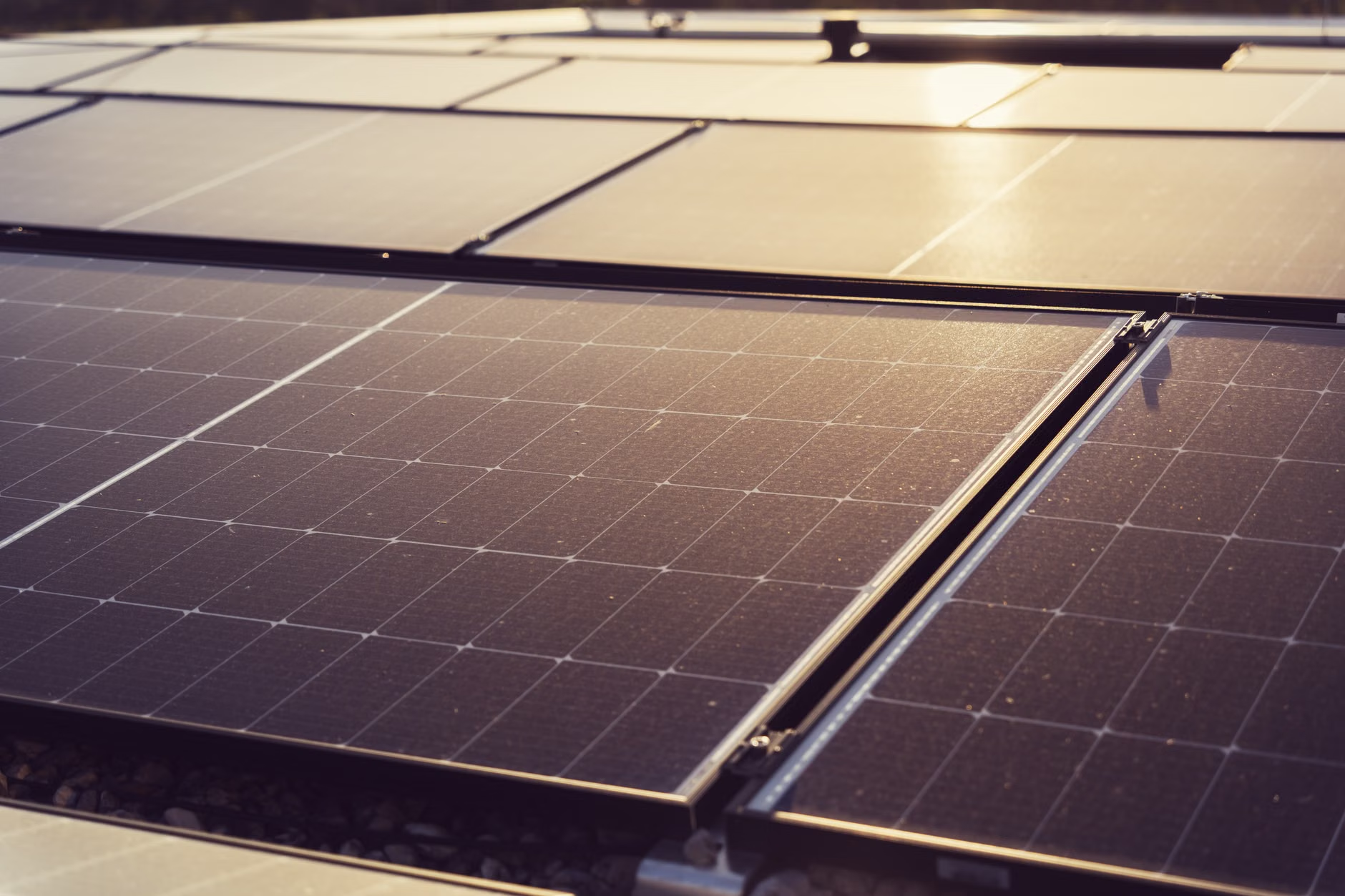
If you are a parent, look for sites that use these technologies as a teaching moment. Does the site have a small solar array that they explain to kids? Does the water system include a visible filtration process? These are the kinds of details that turn a simple weekend getaway into a lasting memory for your children. It changes the conversation from “We are going to a hotel in the woods” to “We are staying at a place that uses the sun to power our lights.”
Let’s be honest: you want a comfortable bed and a nice shower. Sustainable glamping does not mean “roughing it” in a sleeping bag. It means “smart luxury.” The best sites provide high-thread-count sheets and hot showers, but they achieve this through efficient boilers, low-flow fixtures, and high-quality insulation. This is the sweet spot. You aren’t sacrificing comfort; you are paying for efficient design.
If you find a site that forces you to choose between being eco-friendly and being comfortable, that is a sign of poor management. True sustainability is about efficiency, not sacrifice. A well-designed cabin or tent should be comfortable because of its design, not because of brute-force energy consumption. When you see a site that advertises “eco-friendly” but then lists “unlimited hot water” and “24/7 climate control,” you are looking at a marketing contradiction.
Beyond the Site: Your Responsibility as a Guest
Even if you find the perfect, certified-sustainable site, your impact matters. The “Leave No Trace” principles are not just for hikers; they are for every traveler. When you are at a glamping site, be mindful of your water usage. Even if the water is filtered on-site, the energy required to pump and heat it is significant. Keep your showers brief. Don’t leave lights or heaters running when you are out exploring. These small habits, when multiplied by hundreds of guests, make a massive difference in the site’s overall footprint.
Furthermore, consider your transportation. The most sustainable glamping trip is one where you don’t have to drive five hours to get there. Look for sites within a reasonable distance of your home, or consider sites that are accessible by public transit. If you must drive, consider carpooling or, if you have an EV, look for sites that offer charging stations. This is a growing trend, and more and more eco-conscious sites are installing Level 2 chargers for their guests.
Actionable Insights for the Discerning Traveler
If you are planning your next trip, here is a final piece of advice: trust your gut, but verify with data. If a site feels like it’s trying too hard to sell you a “lifestyle” rather than an experience, look closer. If the images are all stock photos rather than actual shots of the property, that is a major warning. Real sustainability is messy, it’s honest, and it’s visible. You should see the solar panels, you should see the recycling bins, and you should see the local staff.
Finally, do not be afraid to reach out to the property before booking. A simple email saying, “We are really interested in your commitment to sustainability; could you tell us a bit about your waste management or energy sources?” will tell you everything you need to know. A site that is proud of its practices will respond with detail and enthusiasm. A site that is greenwashing will likely give you a vague, pre-written response. Your money is a vote for the kind of travel industry you want to see. Spend it on those who are doing it right.
Frequently Asked Questions
Is it really possible to have a ‘luxury’ glamping experience that is also sustainable?
Yes, absolutely. Luxury in the context of sustainability means high-quality design, efficient insulation, and premium, locally sourced amenities. The goal is to provide a high-end experience without the high-end environmental cost. Look for sites that use modern, energy-efficient architecture rather than just “luxury” decor.
What if a site doesn’t have a formal eco-certification? Does that mean they aren’t sustainable?
Not necessarily. Certifications can be expensive for small, family-run sites. However, if they lack a certification, they should still be able to demonstrate their commitment through transparent policies. If they have no certification and no clear explanation of their practices, you are taking a risk that they aren’t actually as green as they claim.
How can I tell if a site is actually protecting the local environment or just maintaining a nice garden?
Look for evidence of native plant restoration or wildlife habitat preservation. A site that is just “maintaining a nice garden” often uses fertilizers and water that can be detrimental to the surrounding ecosystem. A sustainable site will prioritize local, drought-resistant species and will leave large sections of the property in their natural, wild state.
As you plan your next family adventure, remember that the goal is to create memories that last a lifetime without leaving a footprint that lasts for centuries. By asking the right questions and looking for verifiable actions, you can ensure your family’s next glamping trip is as good for the planet as it is for your well-being.
For more information on global standards, you can visit the Global Sustainable Tourism Council, which provides a comprehensive framework for what sustainable travel should look like in practice.