The most effective way to turn your suburban plot into a low-maintenance, high-impact ecological asset is to stop fighting nature and start layering your landscape. Instead of treating your yard as a static green carpet that requires constant mowing, chemical fertilizers, and expensive irrigation, you can transition it into a regenerative system that builds soil health, captures water, and supports local wildlife while requiring less of your precious weekend time.
- Soil First: Regenerative gardening prioritizes soil biology; healthy soil acts as a sponge, reducing the need for synthetic fertilizers and excessive watering.
- Native Dominance: Replacing even 30% of non-native turf grass with local native plants significantly increases local insect and bird populations without increasing maintenance.
- Closed-Loop Systems: You can eliminate most green waste disposal costs by implementing on-site composting and “chop-and-drop” mulching techniques.
Why the Traditional Suburban Lawn is a Liability
If you are in your 30s or 40s, you likely grew up with the “manicured lawn” ideal. It was the standard of a well-kept home. However, look at the reality of that standard: it is a high-cost, high-labor, and high-resource sinkhole. Lawns are essentially ecological deserts. They offer no food for pollinators, they demand consistent chemical inputs to look “perfect,” and they are notoriously bad at handling heavy rainfall, leading to runoff that carries pollutants into local storm drains.
For a parent balancing work, school runs, and home maintenance, the traditional lawn is an anchor. It demands weekly mowing, edging, and weeding. When we talk about “regenerative gardening,” we aren’t talking about starting a massive commercial farm. We are talking about shifting your backyard from a consumer of resources to a producer of ecosystem services.
Think of your yard as a multi-layered system. By mimicking the structure of a local forest or meadow—where plants are layered from ground cover to shrubs to small trees—you create a self-sustaining environment. This isn’t about letting your yard go wild and messy; it’s about managed succession. It is the difference between a chaotic, unmaintained jungle and a thoughtfully designed, biodiverse landscape that thrives on its own terms.
Building Soil Health: The Foundation of Your Garden
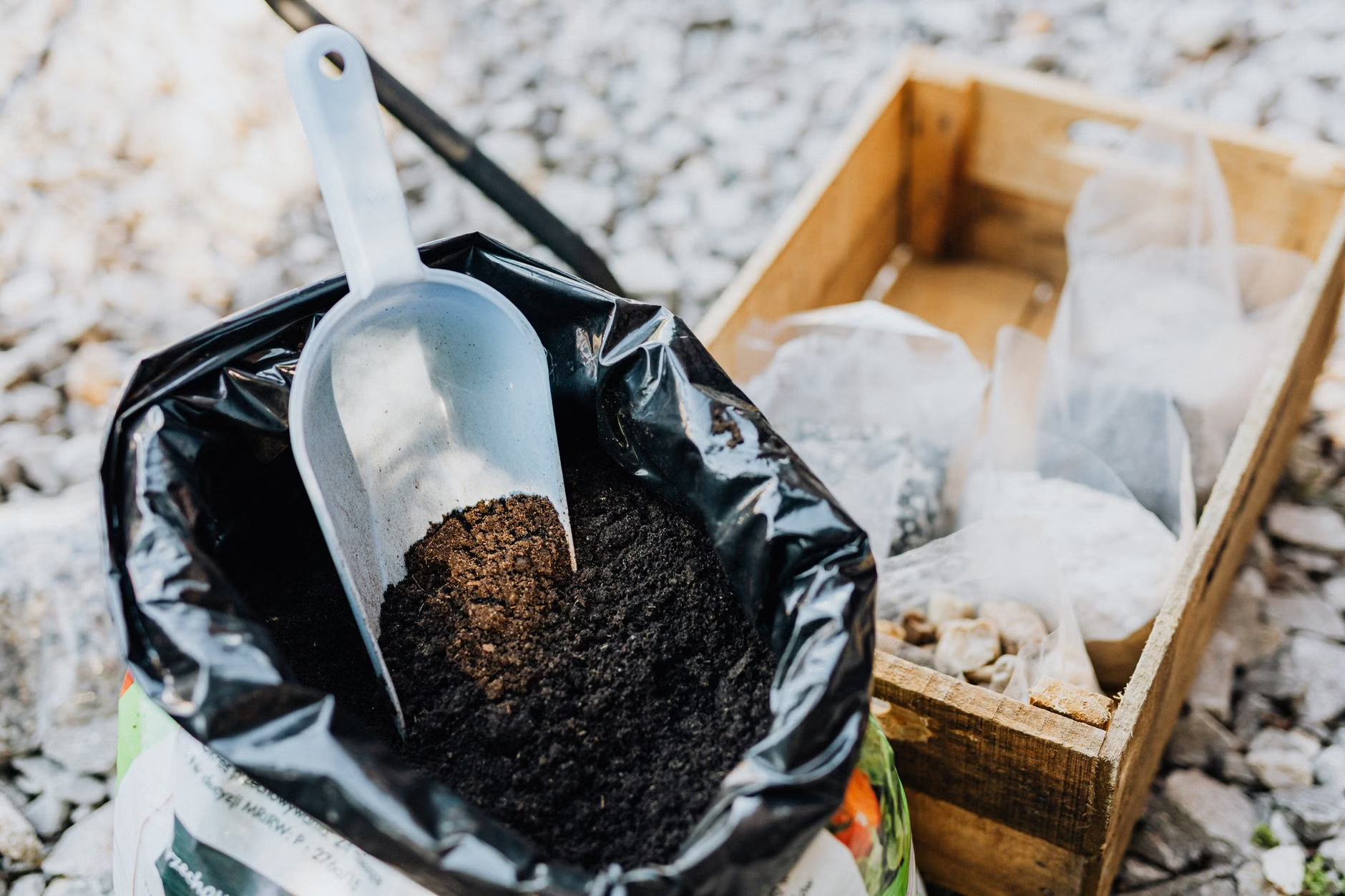
The biggest misconception most homeowners have is that plants need fertilizer to grow. In reality, plants need healthy soil biology to thrive. If you have ever struggled with plants that look yellow or stunted despite regular feeding, you are likely dealing with “dead” soil—soil that has been stripped of its fungal and bacterial life by synthetic pesticides and herbicides.
To regenerate your soil, you need to stop tilling. Tilling breaks up the fungal networks (mycelium) that help plants access nutrients. Instead, adopt the “no-dig” method. This involves layering organic matter—compost, leaves, and wood chips—directly onto the surface of your soil. Over time, worms and other microorganisms pull this material down, aerating the soil naturally.
If you are starting with a typical suburban lawn, don’t dig it up. Use the “sheet mulching” technique. Lay down cardboard over your grass to kill it, then layer compost and mulch on top. Within one season, you will have a ready-to-plant bed that is rich in nutrients. This approach saves you the back-breaking labor of removing sod and keeps the soil structure intact.
Selecting Plants That Do the Work for You
The goal of a regenerative garden is to reduce human intervention. This is achieved by selecting plants that are adapted to your specific climate and soil conditions. This is where “native plants” become your best friend. Native species have evolved over thousands of years to handle local rainfall patterns, pests, and soil types.
When you choose native plants, you aren’t just choosing “low maintenance.” You are choosing plants that support local beneficial insects. For example, a single oak tree can support hundreds of species of caterpillars, which are the primary food source for nesting birds. A non-native ornamental tree might look nice, but it is often an ecological “dead end” because local insects cannot feed on it.
Here is a simple decision rule for your plant selection:
| Plant Type | Regenerative Role | Maintenance Level |
|---|---|---|
| Deep-rooted Natives | Soil aeration and water infiltration | Low (once established) |
| Nitrogen Fixers | Natural fertilization | Low |
| Ground Covers | Weed suppression and moisture retention | Minimal |
If you are worried about the “wild” look, use a “border and anchor” strategy. Keep a neat, mown path or a formal garden edge near your house, and transition into more naturalistic plantings as you move further away. This visual “frame” signals to neighbors and homeowners’ associations that the garden is a deliberate design choice, not neglect.
Water Management: Capturing the Rain
In many suburban areas, rainfall is treated as a nuisance to be directed into pipes as quickly as possible. In a regenerative garden, we treat rain as a precious resource. Your goal should be to keep every drop of water on your property as long as possible.
This is where “rain gardens” come in. A rain garden is a shallow depression in your landscape designed to collect runoff from your roof or driveway. By planting water-loving, deep-rooted native plants in this depression, you create a natural filter. The soil cleans the water, and the plants absorb it, preventing basement flooding and reducing your city’s stormwater burden.
Beyond the rain garden, consider the mulch. A thick layer of wood chips (3-4 inches) prevents evaporation from the soil surface. This can reduce your need for supplemental watering by up to 50% during the summer months. If you are in a drought-prone region, this is the single most effective way to protect your plants without spending money on smart irrigation systems.
The Hidden Costs and Common Misconceptions
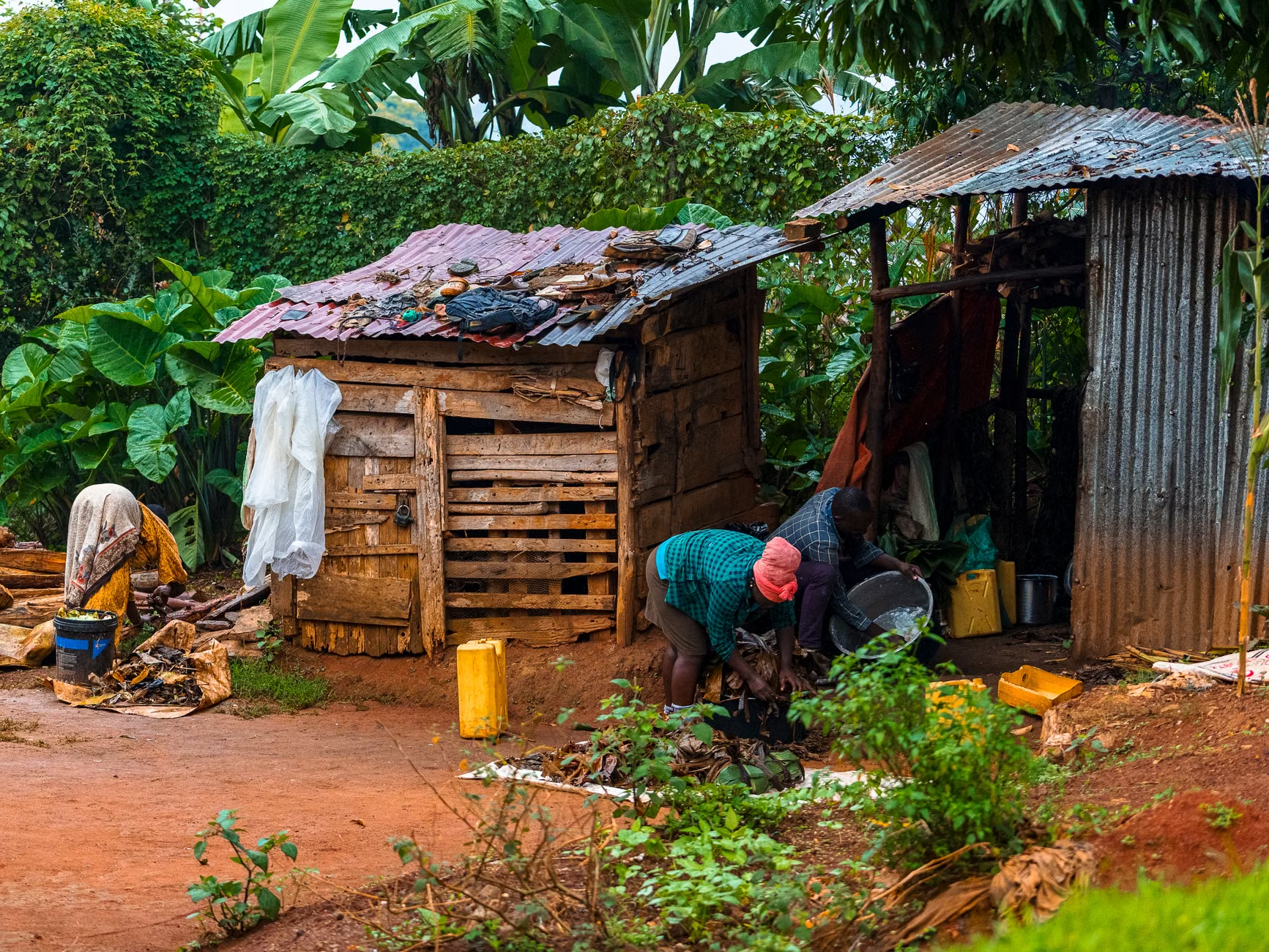
Let’s be honest: the transition phase is not free. You will need to invest in quality compost, mulch, and plants. However, this is an investment that yields a return. You are effectively swapping a recurring monthly cost (water, fertilizer, professional lawn care) for a one-time capital investment in your landscape’s infrastructure.
One common mistake is “over-planting.” We often buy too many plants in the excitement of a new project, only to find that they crowd each other out or require constant thinning. Start small. Focus on one area—perhaps a single bed or a corner of the yard—and get that right before expanding. This allows you to observe how the plants behave in your specific microclimate.
Another misconception is that regenerative gardens are “pest-free.” They aren’t. But because you have a diverse ecosystem, you have a natural balance. If you have aphids, you will also have ladybugs, lacewings, and parasitic wasps that eat them. If you use chemical pesticides, you kill the good guys along with the bad guys, trapping yourself in a cycle of dependency on chemicals. The key is to tolerate minor damage, knowing it is part of a healthy, functioning system.
Step-by-Step Implementation for Busy Parents
If you are trying to do this while balancing a full-time job and kids, don’t try to transform the whole yard in a weekend. Follow this phased approach:
- Month 1: Observation. Map out where the sun hits your yard at different times of the day. Identify where water pools during heavy rain. This “site analysis” prevents you from planting a sun-loving plant in a shady corner.
- Month 2: The “Low-Hanging Fruit.” Start a compost bin. Even a simple tumbler or a pile in the back corner works. This gives you a free source of soil amendments.
- Month 3: Sheet Mulching. Pick a small area (e.g., 10×10 feet) and lay down cardboard and mulch. This is your “learning zone.”
- Month 6: Planting. Plant your first cluster of native perennials. Choose species that are “bulletproof” for your region.
- Year 1-2: Expansion. As your first bed thrives, use the techniques you learned to expand into other areas of the yard.
By breaking it down, you ensure the garden doesn’t become another source of stress. It should be a place where you and your children can observe life cycles, learn about local ecology, and enjoy a quiet moment away from screens.
Beyond Aesthetics: The Deeper Value
Why does this matter for your kids? A regenerative garden is a living classroom. When you move away from a sterile lawn, you invite butterflies, bees, birds, and beneficial insects. Your children will see the connection between soil, water, and life. They will learn that food doesn’t just come from the supermarket and that nature is not something that happens “somewhere else” in a national park, but right outside their back door.
Furthermore, as climate patterns become more volatile, a regenerative garden acts as a safety buffer. Healthy, deep-rooted soil is more resilient to heat waves and floods. By building this resilience into your home’s footprint, you are adding tangible value to your property while contributing to the cooling of your local microclimate.
The “regenerative-garden” movement isn’t a trend; it’s a necessary shift in how we inhabit our suburban spaces. We have spent decades trying to control nature; it’s time to start working with it. The trade-off is simple: you give up the vanity of a perfect, uniform lawn, and in return, you get a beautiful, functional, and resilient piece of the planet that works for you.
Practical Resources and Further Reading
To deepen your knowledge, start with sources that focus on regional ecology. Your local university extension office or native plant society is your best resource for specific plant lists and local climate data.
- National Wildlife Federation: Garden for Wildlife – Excellent for understanding how to support local fauna.
- Pollinator Partnership – Great for finding region-specific planting guides for bees and butterflies.
- Soil Food Web – For those interested in the deep science of how soil biology supports plant health.
Frequently Asked Questions
1. Will a regenerative garden make my yard look “unkept” and annoy my neighbors?
Not necessarily. The trick is to combine wilder, dense plantings with “cues of care.” These include clean edges (like a mown strip or a stone path), decorative birdbaths, or a small sign explaining that your garden is a “Certified Wildlife Habitat.” When people see that the “wildness” is intentional and designed, they tend to view it as a feature rather than an eyesore.
2. Is it expensive to switch from a lawn to a regenerative garden?
It can be, but it doesn’t have to be. You can minimize costs by starting small, using seeds instead of established nursery plants, and sourcing free mulch from local arborists (many tree-trimming services are happy to dump wood chips for free). The biggest cost is your time, but you are trading that for long-term savings on water, fertilizer, and maintenance equipment.
3. What if I have a small yard or a townhouse balcony?
Regenerative principles apply to any scale. You can use container gardening to support native pollinators, build a worm bin for composting kitchen scraps, and use vertical space to grow native vines. Even a few pots of native flowers can provide a critical “pit stop” for pollinators in an urban environment. The key is to focus on native plants and healthy soil, regardless of the size of your space.
Start small, observe often, and remember that you are building a system that will grow stronger every year. Your future self—and your local ecosystem—will thank you.