- Legislative Shift: New “Right-to-Repair” laws in the EU, US, and beyond are forcing manufacturers to provide spare parts and manuals for 7–10 years, moving away from the era of “planned obsolescence.”
- Economic Impact: Fixing a major appliance typically costs 20–30% of the price of a new unit, offering a massive ROI for families compared to the $1,000+ cost of a replacement.
- Practical Action: Prioritize buying appliances with high “repairability scores” and check for the availability of official service manuals before making a purchase.
The era of treating a broken washing machine as a disposable item is coming to a close, and your wallet is about to feel the difference. If you have ever stood in front of a blinking, error-prone dishwasher and been told by a technician that “it’s cheaper to just buy a new one,” you have experienced the frustration of the previous decade’s design philosophy. That narrative is being challenged by what is now being called “Right-to-Repair 2.0.”
This isn’t just about small gadgets like phones; it is about the heavy hitters of your household—the refrigerators, ovens, and washers that anchor your daily routine. With new regulations taking root globally, manufacturers are finally being nudged, and in some cases forced, to make these machines fixable. For those of us in our 30s and 40s, juggling school runs, work deadlines, and the occasional kitchen crisis, this shift represents a move from being helpless consumers to active, informed maintainers of our own homes.
Why “Repairability” Is No Longer Just a Niche Hobby
For years, the appliance industry relied on a business model that prioritized short product lifecycles. We were sold “smart” features and sleek designs, but underneath the polished exterior, components were often glued, proprietary, or hidden behind software locks. When a heating element failed, the entire unit became a paperweight because the specific part was “no longer manufactured.”
Right-to-Repair 2.0 changes this by targeting the three pillars of appliance maintenance: access to parts, access to documentation, and the removal of software-based barriers. In the European Union, for instance, the Ecodesign Directive now mandates that manufacturers must make spare parts available for up to 10 years for certain categories of appliances. Similar legislative pushes are gaining momentum in various U.S. states and parts of the Asia-Pacific region.
But why does this matter for your household budget? Consider the average lifespan of a major appliance. In the past, we expected a fridge to last 15 to 20 years. In recent years, that figure has dipped closer to 10 years. By extending the life of your appliances by just three years, you are effectively cutting your long-term household equipment costs by nearly 25%. This is the kind of “hidden” savings that makes a significant difference when you are planning for family vacations or college funds.
Understanding the Real Cost of Repair vs. Replacement
A common misconception is that professional repair services are always prohibitively expensive. In reality, the high cost often comes from the “diagnostic and trip charge” rather than the part itself. When you have access to official service manuals—a key component of the new regulations—you can perform basic diagnostics yourself. This allows you to identify whether you need a $20 thermal fuse or a $400 control board before you even call a professional.
| Appliance Component | Avg. DIY Fix Cost | Pro Service Cost | Replacement Cost |
|---|---|---|---|
| Washing Machine Door Seal | $40 – $60 | $150 – $250 | $800+ |
| Fridge Temperature Sensor | $20 – $30 | $150 – $200 | $1,500+ |
| Dishwasher Heating Element | $50 – $80 | $200 – $300 | $700+ |
The table above highlights that for most common failures, the cost of the part is negligible. The “Right-to-Repair” movement aims to lower the barrier for the DIY repairer, meaning that even if you aren’t an expert, you have a better chance of successfully performing these repairs. The key is distinguishing between a “user-serviceable” part and a “factory-serviceable” one.

What to Look for Before Your Next Appliance Purchase
If you are in the market for a new appliance, your shopping criteria should shift. Don’t just look at the energy rating or the color; look for the “Repairability Quotient.” Here is how you can evaluate your next purchase like a pro:
- Check for Serviceability Manuals: Before buying, search online for the model number followed by “service manual.” If the manufacturer makes it easy to find, that is a green flag. If you find nothing but forums of frustrated users, look elsewhere.
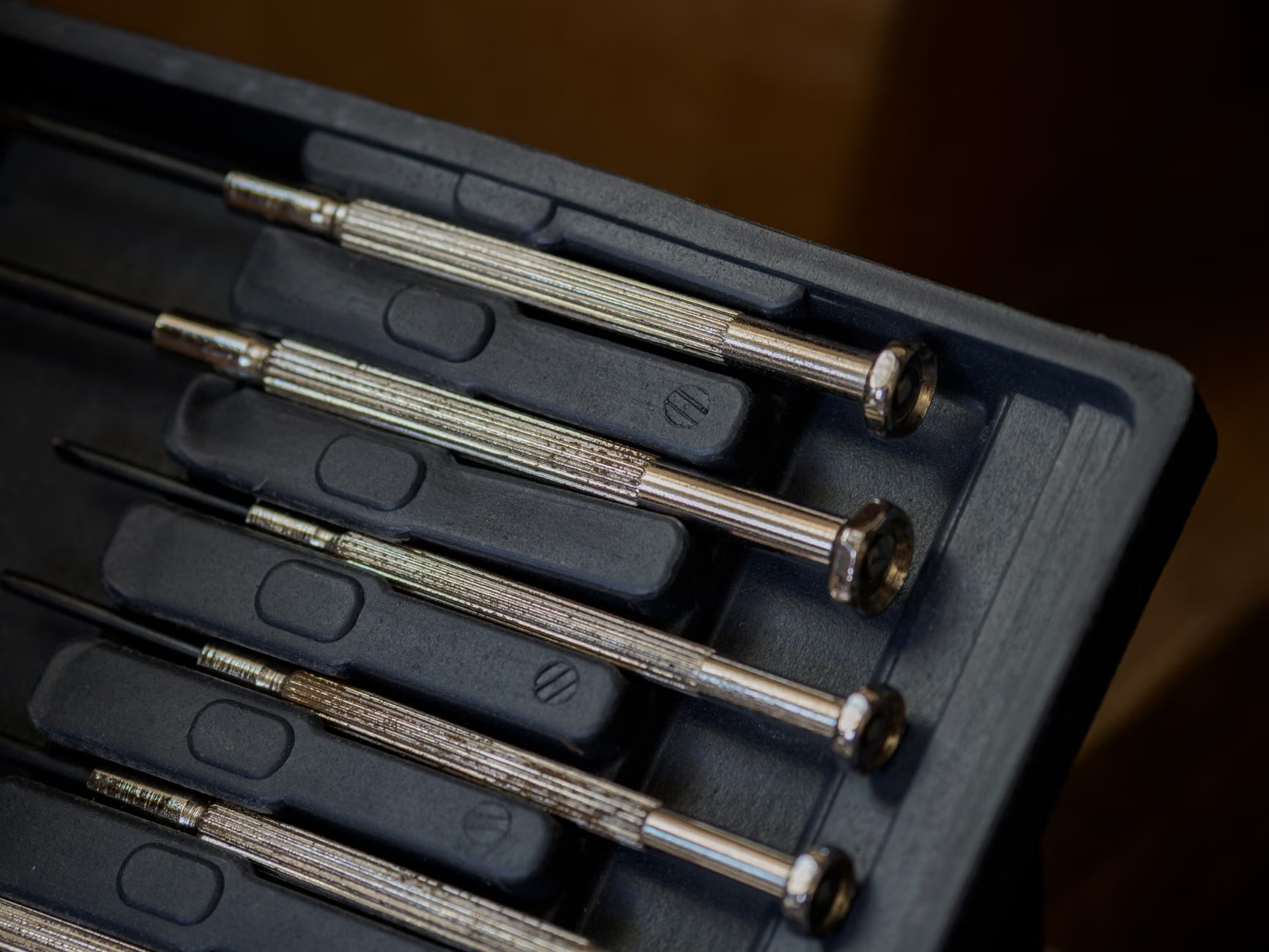
- The “Standard Part” Rule: Does the machine use standard screws, or does it require proprietary, star-shaped, or tamper-proof bits? While you can buy specialized tool kits, standard hardware is a sign that the manufacturer expects the unit to be opened and serviced.
- Modular Design: Look for appliances where the control board is separate from the heating or cooling elements. If the entire “brain” of the machine is fused to the chassis, a minor electrical surge could ruin a perfectly good mechanical unit.
- Warranty Policies: Check if the warranty is voided by “unauthorized” repairs. While many regions now have laws protecting your right to repair, some manufacturers still try to include clauses that discourage independent maintenance.
It is also worth noting that “Smart” appliances often introduce a new layer of complexity. If your fridge requires an internet connection to run a diagnostic, ensure that the manufacturer has a clear policy on software support. If the server goes down in five years, does your smart fridge stop cooling? This is a common, overlooked variable that can turn a “premium” appliance into a liability.
The Practical Guide to Becoming a Household Technician
You don’t need to be an engineer to handle 80% of household appliance issues. Most problems are caused by three things: clogged filters, worn-out seals, or loose electrical connections. If you want to start taking control, follow this simple framework:
- The Safety First Rule: Always, without exception, disconnect the power source. For a washing machine or dishwasher, pull the plug. For an oven, flip the circuit breaker at the panel. Never work on an appliance that is “live.”
- Documentation is King: Take photos of every single step as you disassemble the unit. This creates your own reverse-assembly guide. If you have a partner or kids helping, have them keep track of the screws—using a magnetic tray or even a muffin tin to organize parts by stage of removal is a game-changer.
- Source the Right Part: Use the model number (usually found on a sticker inside the door or on the back) to find the exact manufacturer-approved part. Avoid “universal” parts that look similar but have slightly different voltage or current ratings, as these can cause secondary damage.
- Know Your Limits: Some repairs are inherently dangerous. If a repair involves handling high-voltage capacitors (which can hold a charge even when unplugged) or pressurized refrigerant (like in AC units or some fridges), stop. These require professional licensing for a reason.

Common Misconceptions About Repairing Modern Appliances
One of the biggest myths is that “modern appliances are too complex to fix.” While it is true that they have more electronics than the machines of the 1980s, the underlying mechanical systems—pumps, motors, and fans—are fundamentally the same. The “complexity” is often in the user interface, not the hardware.
Another misconception is that you need an expensive array of diagnostic equipment. Most modern appliances have built-in “Service Modes.” By pressing a specific sequence of buttons (which you can find in the service manual), you can make the machine display its own error codes. These codes are like a map; they tell you exactly which sensor is failing or which valve is stuck. Once you have that code, a quick search on a site like RepairClinic or iFixit will usually lead you to a video guide on how to fix it.
Finally, there is the fear of “voiding the warranty.” In many countries, it is illegal for a manufacturer to void your warranty simply because you opened the machine or performed a repair, unless they can prove that your repair caused the damage. However, it is always best to check your specific regional consumer protection laws. In the US, the FTC has been increasingly active in warning manufacturers about these “illegal” warranty voiding practices.
Building a Sustainable Household Culture
The Right-to-Repair movement is not just about saving a few dollars. It is about a fundamental shift in how we relate to the things we own. When we fix a machine, we learn how it works. We stop seeing it as a magical, mysterious box and start seeing it as a tool that we can maintain. This changes the way we treat our belongings—we become more gentle with the door hinges, more careful about the load size, and more attentive to the warning signs of wear.
For parents, this is a powerful lesson to pass on to children. Watching a parent troubleshoot a dishwasher and successfully replace a filter is a masterclass in critical thinking and resourcefulness. It shows that problems are not always solved by throwing money at them, but by observation, research, and a little bit of patience.
As we move deeper into this decade, expect to see more “Repairability Scores” on appliances, similar to how we see energy labels today. This will make it easier than ever to vote with your wallet. Until then, keep your model numbers handy, bookmark those service manual sites, and don’t be afraid to take the back panel off. Your appliances—and your bank account—will thank you.
Frequently Asked Questions
1. Does performing my own repair definitely void my warranty?
In many jurisdictions, such as the US and the EU, simply opening your appliance or performing a basic repair does not automatically void your warranty. However, if you cause damage during the repair, the manufacturer is not obligated to cover that specific failure. Always check your local consumer protection laws and the specific language in your warranty document.
2. Where can I find reliable, official service manuals?
Start by visiting the manufacturer’s official support website. If they don’t provide it, look for reputable third-party archives like iFixit or appliance-specific parts retailers that host libraries of manuals. If you cannot find a manual, check the model number on the manufacturer’s parts website; they often have “exploded view” diagrams that are just as helpful as a manual.
3. When should I call a professional instead of doing it myself?
You should call a professional if the repair involves high-voltage electrical components (like internal capacitors), sealed refrigerant systems, or if you are uncomfortable with the task after reading the manual. Also, if the appliance is still under the manufacturer’s warranty, it is almost always better to use their authorized service to ensure no future claims are denied.
For further reading on your consumer rights, you can check the following resources:
- The Right to Repair Europe Coalition – Information on EU legislative updates.
- FTC Right to Repair Guidance – Understanding your rights as a US consumer.
- iFixit – A comprehensive database of repair guides and community support.