Choosing a car-free Alpine resort for your winter getaway is the single most effective way to eliminate the stress of mountain driving, snow chains, and parking logistics, allowing you to actually enjoy your vacation from the moment you arrive.
Three Keys to a Successful Car-Free Winter Trip:
- Strategic Arrival: Use efficient rail-to-transfer systems that drop you directly at the village edge; many resorts offer electric shuttle services that take you straight to your accommodation.
- Luggage Management: Pack light or utilize local luggage forwarding services if traveling with small children to avoid the struggle of navigating snowy paths with bulky suitcases.
- The “Village Bubble” Advantage: Car-free zones prioritize pedestrian safety and air quality, creating a safer environment for kids to play and walk between your chalet, the ski school, and local cafes.
If you have spent your previous winter holidays white-knuckling a steering wheel on icy switchbacks or circling a crowded parking lot while your kids complain about being hungry in the backseat, you already know why the “car-free” trend is gaining serious momentum. For parents in their 30s and 40s, the appeal isn’t just about environmental impact—it is about reclaiming the sanity that usually evaporates during the transit portion of a family trip.
When you remove the car from the equation, the entire rhythm of your holiday shifts. The silence of a village without engines, the ease of walking to the gondola, and the ability to let your children roam a bit more freely are not just luxuries; they are the ingredients of a genuine break from the “everyday grind.” However, planning a car-free trip requires a different mindset than the standard “load up the trunk and go” approach.
Understanding the Mechanics of a Car-Free Resort
A car-free resort isn’t just a village where you can’t drive; it is a meticulously managed ecosystem designed to facilitate movement without private vehicles. Most of these destinations, primarily found in Switzerland, Austria, and parts of France, operate on a “gateway” system. You drive—or take a train—to a designated hub, and from there, the car becomes obsolete.
Why does this matter for your family? Consider the “last mile” problem. In a traditional resort, you might park your car at a hotel, but then have to struggle to get the kids and their gear to the lift. In a car-free resort, the infrastructure is built around the pedestrian. Electric taxis, horse-drawn carriages, and specialized shuttle buses are the primary modes of transport. This means your “transfer” is often part of the holiday experience rather than a chore.
In practice, this looks like arriving at a station like Zermatt or Wengen, where you transfer your luggage to a small electric cart or a dedicated hotel shuttle. You aren’t worried about whether your winter tires are sufficient for the final climb, and you aren’t paying the exorbitant daily parking fees that plague major resorts. The trade-off is a slight loss of spontaneity—you can’t just jump in the car to drive to the next town—but you gain a significantly more relaxing atmosphere.
The Logistics of Transitioning to Rail-Only Travel
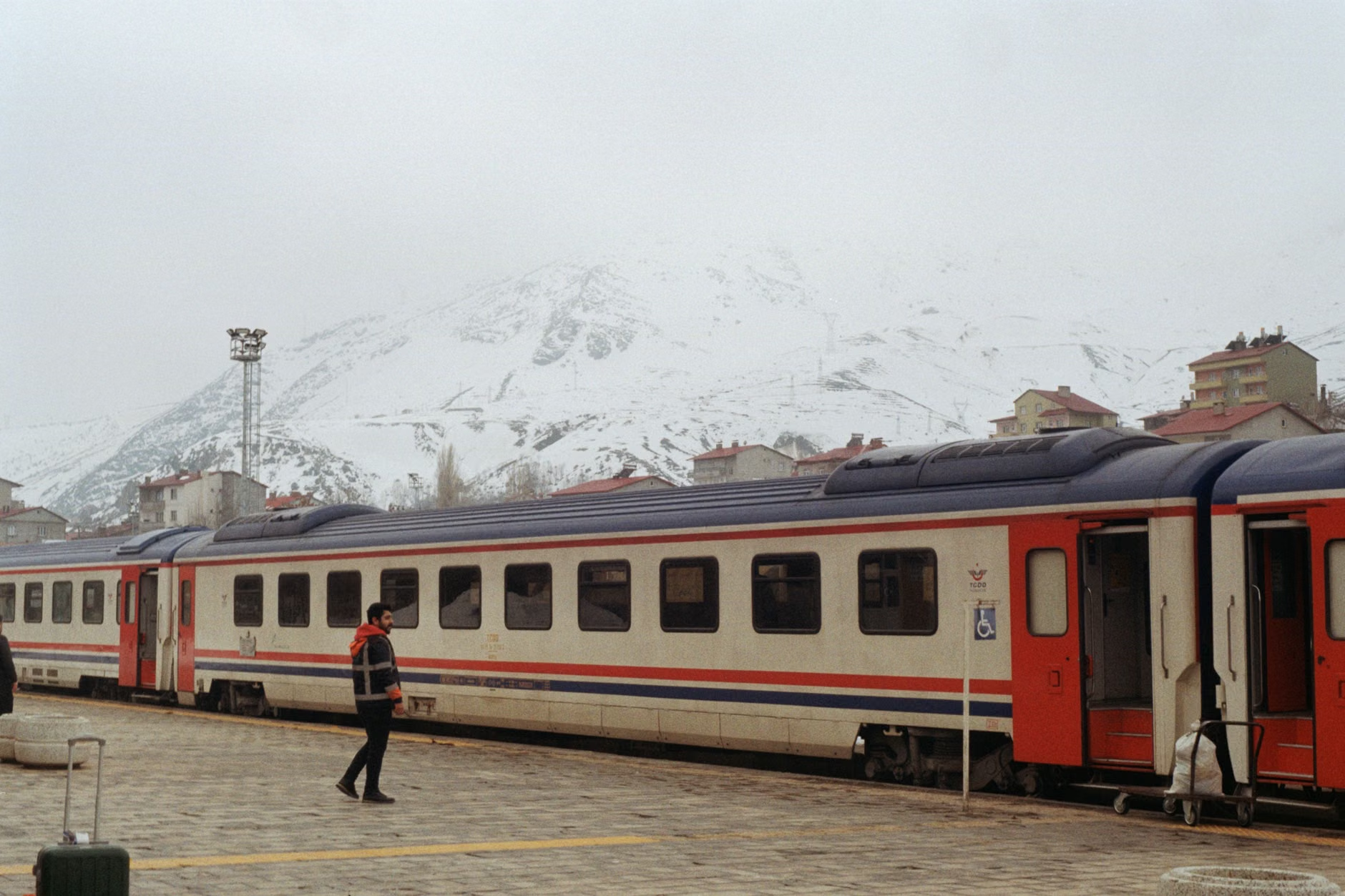
If you are accustomed to the freedom of your own vehicle, the shift to public transport can feel daunting. However, the European rail network, particularly in the Alps, is designed to integrate seamlessly with these resorts. The key is recognizing that you are moving from “driving mode” to “facilitated transit mode.”
Step-by-Step for a Smooth Arrival
- Book the “Last Mile”: Many high-end car-free resorts have hotel-specific shuttles. Contact your accommodation at least two weeks before arrival to confirm their pick-up service from the train station or the village entrance.
- The Luggage Strategy: Do not bring the kitchen sink. If you are traveling with kids, use a “sled-friendly” suitcase or rent gear at the resort. If you must bring heavy equipment, look into local courier services that ship luggage from major airports directly to the resort.
- Check the Connections: Use tools like the SBB (Swiss Federal Railways) or ÖBB (Austrian Federal Railways) apps. These apps are incredibly precise, showing you exactly which platform to move to and how long the walk is between connections.
A common mistake is assuming that a car-free resort is “remote.” In reality, many are more connected than car-dependent towns because they rely on frequent, reliable rail links. You aren’t losing access; you are trading traffic jams for predictable, scenic train rides that allow the kids to move around rather than being buckled into car seats.
Comparing the Costs: Is Car-Free Actually Cheaper?
One of the biggest misconceptions is that car-free resorts are automatically more expensive because they are “exclusive.” When you break down the actual costs, the picture changes significantly. Let’s look at a hypothetical scenario for a four-day family trip.
| Expense Item | Standard Resort (Car) | Car-Free Resort (Train/Shuttle) |
|---|---|---|
| Fuel & Tolls | High (Gas prices + highway vignettes) | Zero |
| Parking Fees | €20–€40 per night | Zero (or low-cost remote parking) |
| Winter Tires/Chains | Required (often expensive to buy/rent) | Not needed |
| Local Transport | Depends on car usage | Often included in guest card/resort tax |
The “hidden” cost of the car is the stress and the maintenance. If you live in a region where winter driving is common, the cost of high-quality winter tires and the potential for accidents on icy roads are variables you simply shouldn’t have to manage during a vacation. By using the train, you are paying for reliability. In most Alpine regions, the “guest card” you receive upon paying your local tourist tax provides free or heavily discounted access to the local bus and train networks, which actually makes moving around the resort cheaper than using your own car.
Managing the “Kids-in-Transit” Factor
We all know the struggle: you have three hours of driving left, the toddler is screaming, and the teenager is bored. In a car-free context, you have to manage your children differently. The train is your best friend here. Unlike a car, a train allows you to get up, walk to the dining car, or simply let the kids look out the window at the mountains.
Pro-tip for parents: Always pack a “transit kit” that includes snacks, tablets with offline movies, and a few new small toys. Because you aren’t driving, you can actually participate in the family activities during the journey. This changes the trip from a “transit phase” into the start of the holiday. You are no longer the chauffeur; you are a fellow traveler.
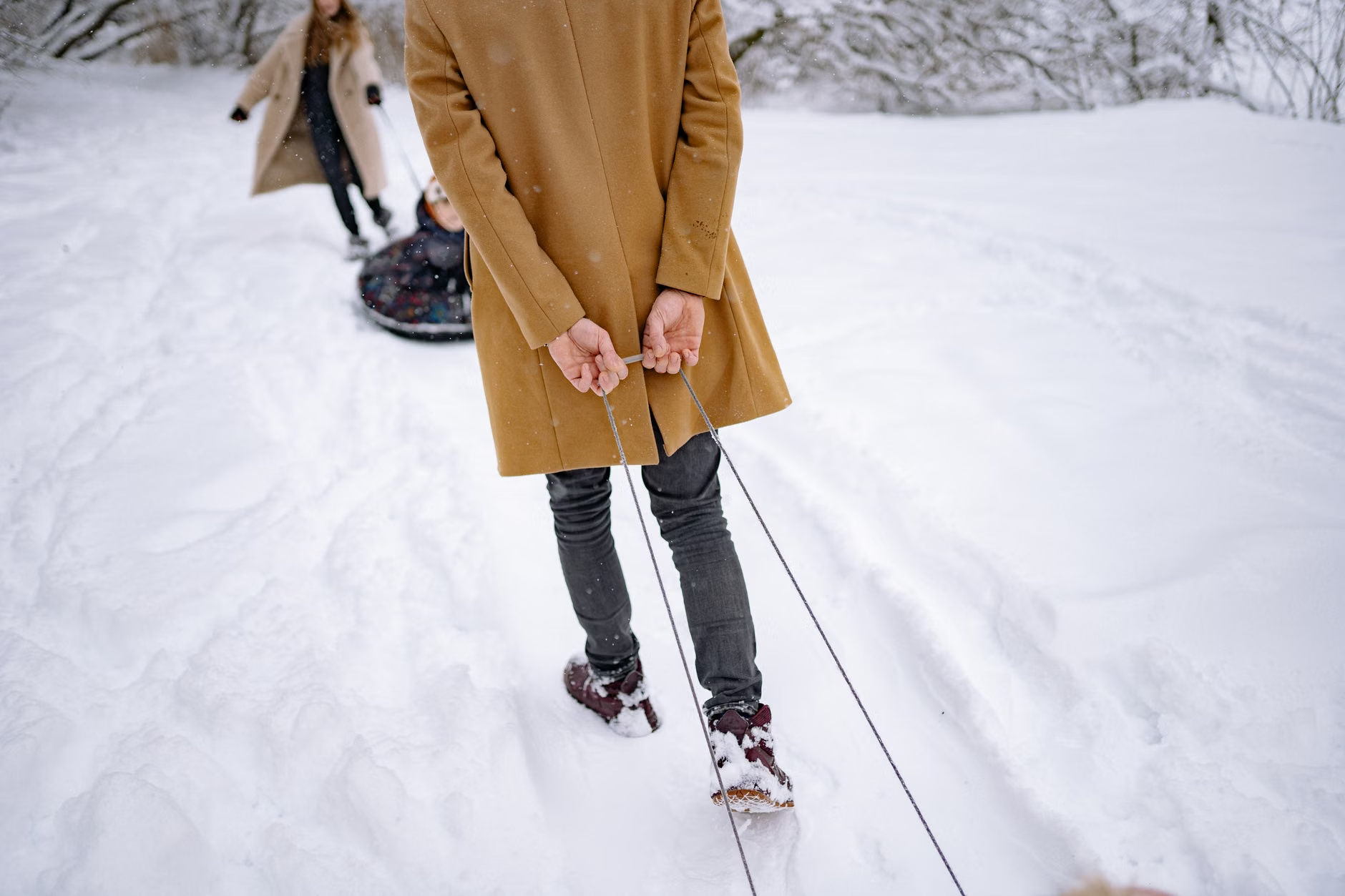
However, be aware of the “walking distance” variable. In a car-free village, you will be walking more. Make sure your children have sturdy, waterproof, and comfortable snow boots. If your kids are very young, consider bringing a lightweight, all-terrain stroller or, even better, a sled. Many hotels in car-free zones provide sleds for guest use—it’s the local way of moving luggage and small children, and it turns a walk to the grocery store into a fun activity.
Choosing the Right Destination for Your Family
Not all car-free resorts are created equal. Some are rustic and secluded, while others are bustling hubs of activity. Your choice should depend on what your family values most.
- For the “Everything-at-Your-Doorstep” Family: Look for resorts like Zermatt (Switzerland) or Saas-Fee (Switzerland). These are larger, with world-class infrastructure, extensive shopping, and a wide array of dining options. They have well-oiled machine-like transport systems that make navigating with kids incredibly simple.
- For the “Quiet and Authentic” Experience: Consider Wengen (Switzerland) or Mürren (Switzerland). These are smaller, perched on mountain ledges with incredible views. They are quieter, safer for young children to run around, and offer a more intimate village feel.
- For the “Ski-Focused” Family: Look at Avoriaz (France). This is a purpose-built, car-free resort where the entire village is ski-in/ski-out. You never have to walk on pavement—you literally ski or walk on snow-covered paths to your front door.
Before booking, always check the resort’s official website for their “arrival” section. They will explicitly state how to handle your car. If a resort says “parking at the village entrance,” look for the cost and frequency of the shuttle service. This is your primary decision criterion for a stress-free experience.
Overlooked Variables and Practical Advice
One detail that catches many people off guard is the weather. In a car-free resort, you are at the mercy of the elements when moving between the station and your hotel. If there is a heavy blizzard, you will be walking or waiting for a shuttle in the cold. Ensure your outer layers—and your kids’ gear—are easily accessible in your carry-on luggage. Don’t bury your hats and gloves in the bottom of a suitcase that is currently in a luggage transfer cart.
Another variable is the “last train” rule. In some smaller, remote car-free villages, the funicular or train that connects you to the valley floor stops running relatively early in the evening. If you plan to have a late night out in a neighboring village, double-check the schedule. Being stranded on the wrong side of the mountain is a common, and easily avoidable, mistake.
Finally, consider the altitude. Many car-free resorts are located at higher elevations. If you are coming from sea level, take it easy for the first 24 hours. The combination of clean air, high altitude, and the physical activity of walking through snow can be tiring for children who are used to being driven everywhere. Plan for a “slow start” day where you just explore the village and get your bearings.
Final Takeaways for Your Alpine Escape
The transition to a car-free holiday is about choosing quality over convenience. While it requires a bit more planning—booking trains, checking shuttle times, and packing more strategically—the reward is a significantly more immersive and relaxing experience. You are not just visiting the mountains; you are living within them, free from the noise and clutter of urban traffic.
For busy parents in their 30s and 40s, the greatest luxury is the ability to switch off. By removing the car, you remove the responsibility of navigating, parking, and maintaining your vehicle in harsh conditions. You get to reclaim the time you would have spent in the driver’s seat and spend it watching your children discover the magic of a snowy village. Start by choosing a resort with a strong rail connection, pack your gear with the “last mile” in mind, and embrace the slower, more deliberate pace of the Alpine winter.
For more details on specific travel routes and resort regulations, check these official resources:
- Swiss Federal Railways (SBB) Travel Planner
- Official Austria Tourism Guide to Winter Travel
- Zermatt Official Car-Free Information
Frequently Asked Questions
What happens if I arrive by car?
Most car-free resorts have massive, multi-story parking garages at the base of the mountain or at the gateway train station. You park your car there for the duration of your stay and then take a train or shuttle into the village. It is perfectly safe, but remember to budget for the daily parking fee.
Is it difficult to move luggage through these villages?
It depends on the resort. Larger resorts like Zermatt have a robust network of electric taxis that can take you and your bags directly to your hotel door. Smaller, more rustic resorts might require you to pull your own bags on a sled. Always email your hotel in advance to ask, “How do you recommend we get our luggage from the station to the hotel?”
Are car-free resorts boring for teenagers?
Not at all. Resorts like Zermatt or Avoriaz are actually quite vibrant. The “car-free” nature simply means the streets are filled with people, cafes, and shops rather than cars. It creates a more social, bustling atmosphere that is often more engaging for teenagers than a spread-out, car-dependent resort where everyone is isolated in their own vehicles or hotel parking lots.
Note: This guide is intended for informational purposes and should be used as a starting point for your trip planning. Always verify transport schedules and local regulations with official sources closer to your travel date.