The most important factor in your child’s long-term athletic success and mental well-being is not the skill level of their coach, but the quality of the emotional bond they share. In the world of youth sports, we often obsess over technical drills, elite travel teams, and early specialization, but research consistently shows that an “Attachment-First” approach—where the coach prioritizes a secure, supportive relationship—is the strongest predictor of whether a child will stay active and healthy for life.
- Safety over Strategy: Children perform best when they feel emotionally safe; a coach who prioritizes connection reduces the “fear of failure,” which is the primary reason kids quit sports by age 13.
- The 3-to-1 Ratio: Effective attachment-focused coaches provide at least three positive affirmations for every one piece of technical correction, fostering a growth mindset rather than anxiety.
- Beyond the Scoreboard: Look for coaches who emphasize “process goals” (effort, sportsmanship, and personal improvement) over “outcome goals” (winning, rankings, or trophies) to ensure your child develops intrinsic motivation.
If you have ever stood on a sideline watching a coach berate a ten-year-old for missing a pass, you have witnessed the opposite of attachment-first coaching. It is a gut-wrenching feeling. You want your child to learn discipline, but not at the cost of their self-esteem. As parents in our 30s and 40s, we are often caught in a tug-of-war between wanting our children to be competitive and wanting them to simply enjoy being kids. The good news? You don’t have to choose. In fact, science suggests that attachment is the fuel for high performance, not a distraction from it.
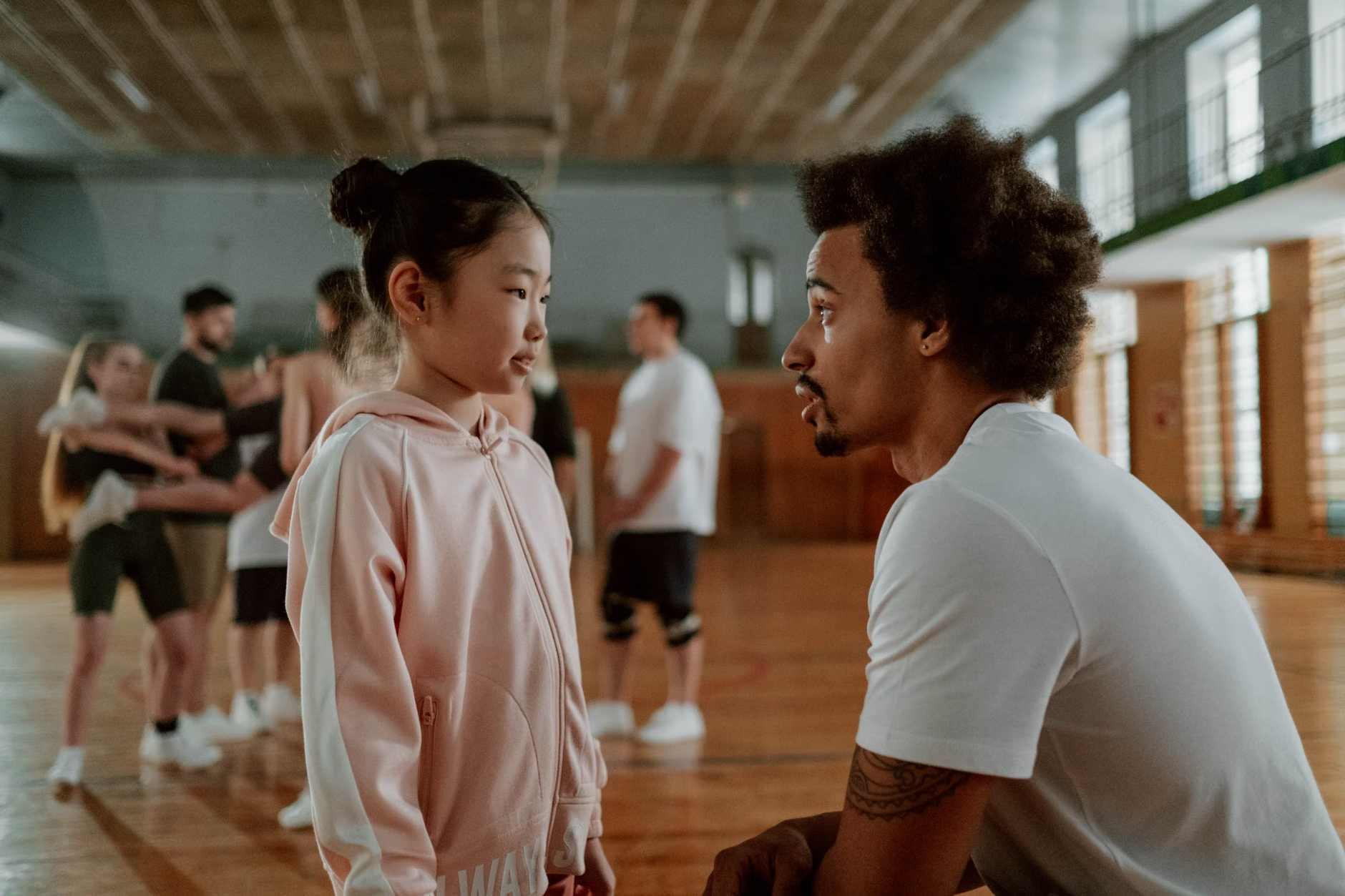
The Science of Attachment in Youth Sports
Attachment theory, originally developed by John Bowlby, suggests that human beings are hardwired to seek proximity to a “secure base” when they feel threatened or stressed. In the context of sports, the coach often functions as this temporary secure base. When a child is learning a complex new skill—like hitting a baseball or mastering a swimming stroke—their brain is under a cognitive load. If they feel judged, criticized, or unsafe, their amygdala (the brain’s threat-detection center) activates, essentially shutting down their ability to learn and process information.
Conversely, when a coach establishes a secure attachment—by being consistent, responsive, and empathetic—the child’s nervous system stays regulated. This allows them to focus on the task at hand. It is not “coddling”; it is biological optimization. A child who isn’t afraid of making a mistake is a child who will experiment, fail, and eventually master the skill. This is why the most successful youth programs globally are shifting away from the “drill-sergeant” mentality toward a “facilitator” model.
Consider the difference in these two coaching styles:
| Feature | Outcome-Focused (Traditional) | Attachment-First (Modern) |
|---|---|---|
| Primary Goal | Winning the game | Developing the athlete |
| Reaction to Error | Criticism/Public correction | Curiosity/Coaching moment |
| Communication | Commanding/Authoritarian | Collaborative/Supportive |
| Child’s State | Anxious/Performance-based | Engaged/Growth-oriented |
The table above illustrates a clear trade-off. While the outcome-focused coach might win more games in the short term, they are often building a “pressure cooker” environment that leads to early burnout. The attachment-first coach is playing the long game, building a foundation of resilience and love for the sport that will last well into adulthood.
How to Identify a Coach Who Prioritizes Attachment
Finding the right coach is like choosing a teacher for your child; you want someone who sees the human being before the player. You don’t need a degree in sports psychology to spot an attachment-first coach. Their behavior on the field is usually a dead giveaway. Look for these three specific markers during a practice or game.
1. They Prioritize “Process” Over “Outcome”
Does the coach celebrate the *attempt* as much as the *result*? A great coach will high-five a child who made a great defensive play, even if the team conceded a goal. They focus on the components of performance—effort, communication, and decision-making—rather than just the final score. If you hear a coach talking about “what we learned today” rather than “who we beat,” that is a green flag.
2. They Use “Curious” Rather Than “Corrective” Language
Listen to how they address mistakes. A coach who yells “What were you thinking?” is creating a barrier. A coach who asks “What did you see on that play?” is building a bridge. The latter encourages the child to think for themselves, which is the cornerstone of long-term development. This simple shift in language moves the child from a passive recipient of orders to an active participant in their own growth.
3. They Maintain Emotional Consistency
Does the coach’s temper swing wildly based on the scoreboard? An attachment-first coach remains a steady, calm presence, regardless of whether the team is winning by five or losing by five. If a coach is only supportive when things are going well, that is not a secure base—that is a conditional relationship. Kids need to know that their value to the coach (and to the team) remains intact even when they struggle.
The Hidden Costs of “Win-at-All-Costs” Culture
We often talk about the benefits of sports—teamwork, physical fitness, discipline—but we rarely discuss the hidden costs of the hyper-competitive youth sports industry. For parents, this usually manifests as “travel team fatigue,” where we spend thousands of dollars and hundreds of hours chasing a dream that, statistically, very few children will achieve professionally. The real cost, however, is to the child’s mental health.
When a child is pushed to prioritize winning above all else, their self-worth becomes tied to their performance. If they win, they feel valuable. If they lose, they feel like a failure. This is a fragile way to live. Over time, this creates a “performance identity” that is incredibly difficult to shed. When they eventually stop playing—whether due to injury, age, or lack of interest—they are left with a void in their identity because they never learned to value themselves outside of being an “athlete.”
Furthermore, the pressure to specialize early (playing one sport year-round) is a common mistake. According to the American Academy of Pediatrics, early specialization can lead to higher rates of overuse injuries and psychological burnout. Attachment-first coaching encourages multi-sport participation because it sees the child as a developing person, not a specialized machine. If a coach is pressuring you to quit other activities to focus exclusively on theirs, that is a significant red flag that they are prioritizing their team’s success over your child’s holistic development.
You play a vital role in this dynamic. Your behavior as a parent sets the tone for your child’s experience. Even if you find an amazing coach, your own pressure can inadvertently undermine the attachment-first environment. Here is how you can support the process:
- The “Car Ride Home” Rule: Never critique your child’s performance on the way home. The car ride is for connection, not coaching. Keep it light. Ask questions like, “What was the most fun part of practice?” or “What was the toughest thing you faced today?” If they want to talk about their mistakes, let them lead the conversation.
- Model Emotional Regulation: If you are screaming at the referee or pacing nervously, your child will sense that the environment is “unsafe” or that the stakes are life-or-death. Your calm presence on the sideline is a powerful signal that they are safe to play freely.
- Validate the Struggle: When your child has a bad game, don’t rush to “fix” it by telling them they did great (which they know isn’t true) or by telling them what they did wrong. Instead, validate their feelings: “I know that was a tough game, and it’s okay to be frustrated. You worked hard out there.”

Addressing Common Misconceptions
A common critique of attachment-first coaching is that it is “soft” or that it won’t prepare children for the “real world.” This is a fundamental misunderstanding of what makes people successful. The “real world” requires high levels of emotional intelligence, the ability to collaborate, and the capacity to learn from failure without collapsing. By fostering these traits in a sports environment, you are actually giving your child a massive advantage over those who are only trained to follow orders.
Another misconception is that you cannot be competitive if you are supportive. This is false. Some of the most successful elite athletes in the world credit their success to coaches who believed in them unconditionally. When a child knows they are supported, they are willing to push themselves further because they aren’t afraid of the consequences of falling. It is the difference between running to win and running to avoid losing. The former is sustainable; the latter leads to burnout.
The Role of Technology and Data in Modern Coaching
In our tech-driven world, many coaches are now using wearable trackers and video analysis. While these tools can be useful, they should be used to support the attachment, not replace it. If a coach is using a heart-rate monitor to yell at a child for “not working hard enough,” they are misusing the data. If they use that same data to show the child how they are improving their stamina over time, it becomes a powerful tool for building confidence.
As a parent, look for coaches who use technology to provide positive feedback. For example, if a coach uses video to show a child a specific movement they mastered, that is a great use of tech. It reinforces the child’s agency. If they use it to highlight every tiny mistake, it can become an instrument of surveillance that increases anxiety. Always ask: “Is this tool being used to empower the child, or to control them?”
When to Walk Away
Sometimes, despite your best efforts, you might find yourself in a situation where the coaching environment is toxic. If you notice persistent signs of fear, such as your child dreading practice, showing physical symptoms of stress (stomach aches, headaches), or a noticeable decline in their self-esteem, you must be prepared to act. Your child’s mental health is non-negotiable.
Before leaving, try to have a conversation with the coach. Sometimes, they may not realize how their communication is being perceived. A simple, “I’ve noticed that my child seems quite anxious after practice, and I’m wondering how we can adjust the feedback loop to make it more constructive,” can open a productive dialogue. If the coach is defensive or dismissive, that is your sign to look for a different environment. You are the primary protector of your child’s emotional development; never outsource that responsibility to a coach who doesn’t share your values.
Building a Long-Term Athletic Identity
Ultimately, the goal of youth sports is to raise a healthy, resilient adult. If your child stays in sports for ten years but ends up hating physical activity by the time they are 18, the system has failed. If they play for three years, learn to love the process of improvement, and continue to exercise for the rest of their lives, the system has succeeded.
Attachment-first coaching is not just a trend; it is a return to the fundamentals of human development. It recognizes that children are not miniature adults and that their nervous systems require specific conditions to thrive. By prioritizing the relationship, you are building a foundation of trust that will allow your child to navigate challenges both on and off the field for years to come. Take the time to observe, ask questions, and prioritize the coach-child connection. It is the single best investment you can make in your child’s sporting future.
For more information on healthy youth sports development, you can refer to the American Academy of Pediatrics Sports Medicine resources, which provide extensive guidance on balancing competition with child development. Additionally, organizations like the Aspen Institute’s Project Play offer excellent frameworks for parents to understand the essential elements of a high-quality youth sports experience.
Frequently Asked Questions
1. Is it possible to have an “attachment-first” approach in highly competitive environments?
Yes, absolutely. High performance and emotional safety are not mutually exclusive. In fact, many elite Olympic-level coaches have moved toward a “relational coaching” model because they recognize that athletes who feel secure and understood are more coachable, take more risks, and perform better under pressure. The key is in the communication style—it shifts from “do this because I said so” to “let’s solve this together.”
2. What if my child is naturally sensitive? Should I avoid competitive sports?
Sensitive children often thrive in sports, but they need an environment that acknowledges their emotional needs. Competition can be a great way for sensitive children to build resilience, provided the feedback they receive is constructive and focused on their personal growth rather than public comparison. Look for a coach who values emotional intelligence and provides a safe space for them to process their feelings about winning and losing.
3. How do I balance “encouraging my child to push through” with “protecting them from a bad coach”?
It is important to distinguish between “productive struggle” and “harmful pressure.” Productive struggle happens when a child is working on a difficult skill and feels challenged but supported. Harmful pressure occurs when the child feels like their worth or the coach’s affection is conditional on their performance. If your child is struggling but still feels safe, encourage them to continue. If they feel unsafe, belittled, or anxious to the point of dread, that is a clear sign to step in and potentially change the environment.
Note: This article is for informational purposes and is based on general principles of child development and sports psychology. Always evaluate the specific needs and personality of your child, as every situation is unique.