The core of the 2027 “Quiet-Travel” trend is not just about silence; it is about reclaiming the transit experience as a period of genuine restoration rather than a high-stress logistical hurdle.
- Designated Quiet Zones: Major rail operators are expanding “Quiet Cars” to include family-friendly “Restorative Coaches” that use sound-dampening technology to minimize ambient noise.
- Predictive Booking: Use real-time load-factor data to select carriages with lower occupancy rates, which statistically correlates with lower noise levels regardless of official quiet-zone status.
- The “Quiet-Kit” Essential: Successful travel in 2027 requires a curated sensory kit including noise-canceling technology, tactile activities for children, and pre-downloaded offline content to ensure independence from spotty onboard Wi-Fi.
If you are in your 30s or 40s, you know the specific exhaustion that comes with family travel. Between managing school schedules, work deadlines, and the sheer logistical weight of getting a family from point A to point B, the “journey” often feels like the most taxing part of the vacation. By 2027, the rail industry has finally caught on to what we have been feeling for years: travel is not just about the destination; it is about how we feel when we arrive.
The “Quiet-Travel” movement is a direct response to the “always-on” culture. It is not about banning children or enforcing total silence—that would be unrealistic for any parent. Instead, it is about creating environments where sensory overload is minimized. For parents, this is a game-changer. It means you can potentially work, read, or simply stare out the window without the background hum of a dozen disparate activities competing for your attention.
The Evolution of the “Quiet Car”: What Has Changed for 2027?
Historically, “Quiet Cars” were the domain of business commuters—hushed, slightly intimidating spaces where even the rustle of a potato chip bag felt like a social transgression. As we head into the 2027 season, the concept has matured. Rail operators in Europe, Japan, and North America have begun investing in “Acoustic Architecture.”
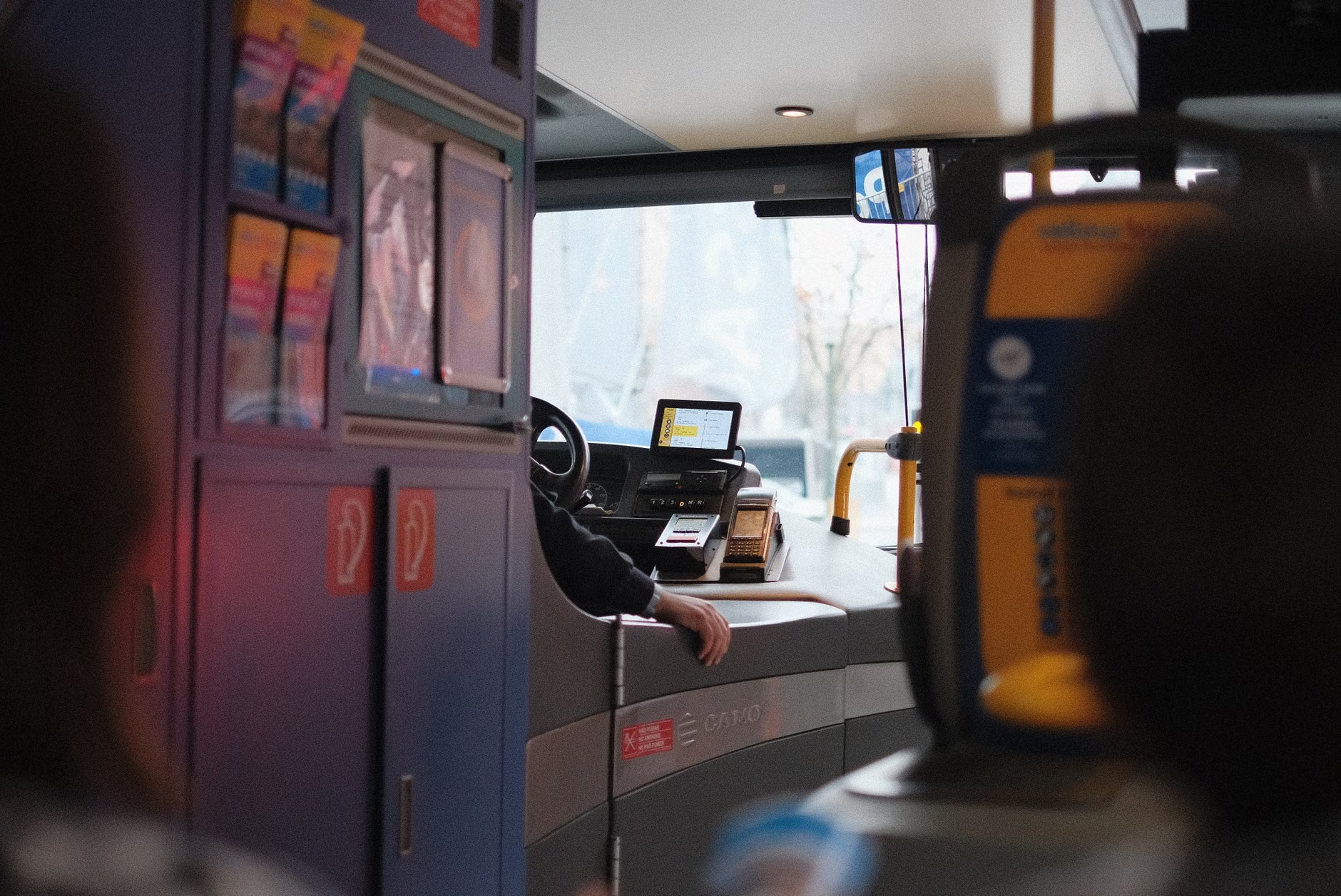
This goes beyond just a sign on the wall. New rolling stock is being equipped with sound-absorbent wall panels and vibration-dampening flooring. For a parent, this is crucial. It means that the inevitable clatter of a child’s toy or the shuffle of a backpack is muffled before it can become a source of anxiety. The trend is moving away from “enforced silence” toward “ambient serenity.”
Why this matters for your 30s and 40s: At this stage of life, your time is your most valuable currency. If you spend a four-hour train ride managing your child’s volume or fighting the ambient noise of a crowded coach, you arrive at your destination already depleted. Quiet-travel rail is essentially a productivity and mental health tool. When you select a seat in a designated quiet zone, you are not just buying a ticket; you are buying two or three hours of cognitive space.
However, there is a catch. The “Quiet Zone” is only as effective as the passengers who follow the rules. In 2027, many operators have introduced “Digital Etiquette Enforcement” through their mobile apps. If a passenger is repeatedly reported for loud behavior in a quiet zone, the conductor receives a notification on their device, allowing for a discreet, non-confrontational intervention. This shift from social policing to professional management makes these zones significantly more reliable than they were in previous years.
Strategic Booking: How to Guarantee a Quieter Journey
Booking a ticket is no longer just about the time of departure or the price. It is about data-driven selection. By 2027, most major rail apps provide a “Occupancy Heatmap.” This is a feature you should use religiously if you want to prioritize quiet.
| Strategy | Why It Works | Best For |
|---|---|---|
| The Mid-Week Mid-Morning | Avoids the business commuter rush and the school-run crush. | Flexible travelers/Remote workers. |
| The “Buffer” Carriage | Booking one carriage away from the family-designated or cafe cars. | Families wanting space without strict silence rules. |
| The Quiet Zone Premium | Utilizes acoustic dampening and social enforcement. | Parents needing deep work or rest. |
The most common mistake parents make is assuming that all “Quiet Zones” are created equal. They are not. On older train lines, a quiet zone might just be a standard carriage with a sticker on the glass. On newer, high-speed lines, it is a technologically advanced space. Before you book, check the operator’s website for the specific train model. If it is an older model, the “Quiet Zone” may offer little protection against the structural vibrations of the train itself.
Pro-tip: Look for the “Bogie” (the set of wheels under the carriage). Carriages that sit directly over the bogies are inherently noisier due to mechanical vibrations. If you are a light sleeper or need absolute silence, try to book a seat in the middle of a carriage, away from the doors and the bogies. This small adjustment can reduce the ambient noise level by up to 15 decibels.
The “Quiet-Kit”: Preparing Your Children for the Experience
We cannot expect our children to be silent for hours on end, and frankly, that is not the goal of quiet travel. The goal is to manage the noise output so that the collective environment remains calm. In 2027, the best “Quiet-Travel” kits are focused on low-impact, high-engagement activities.
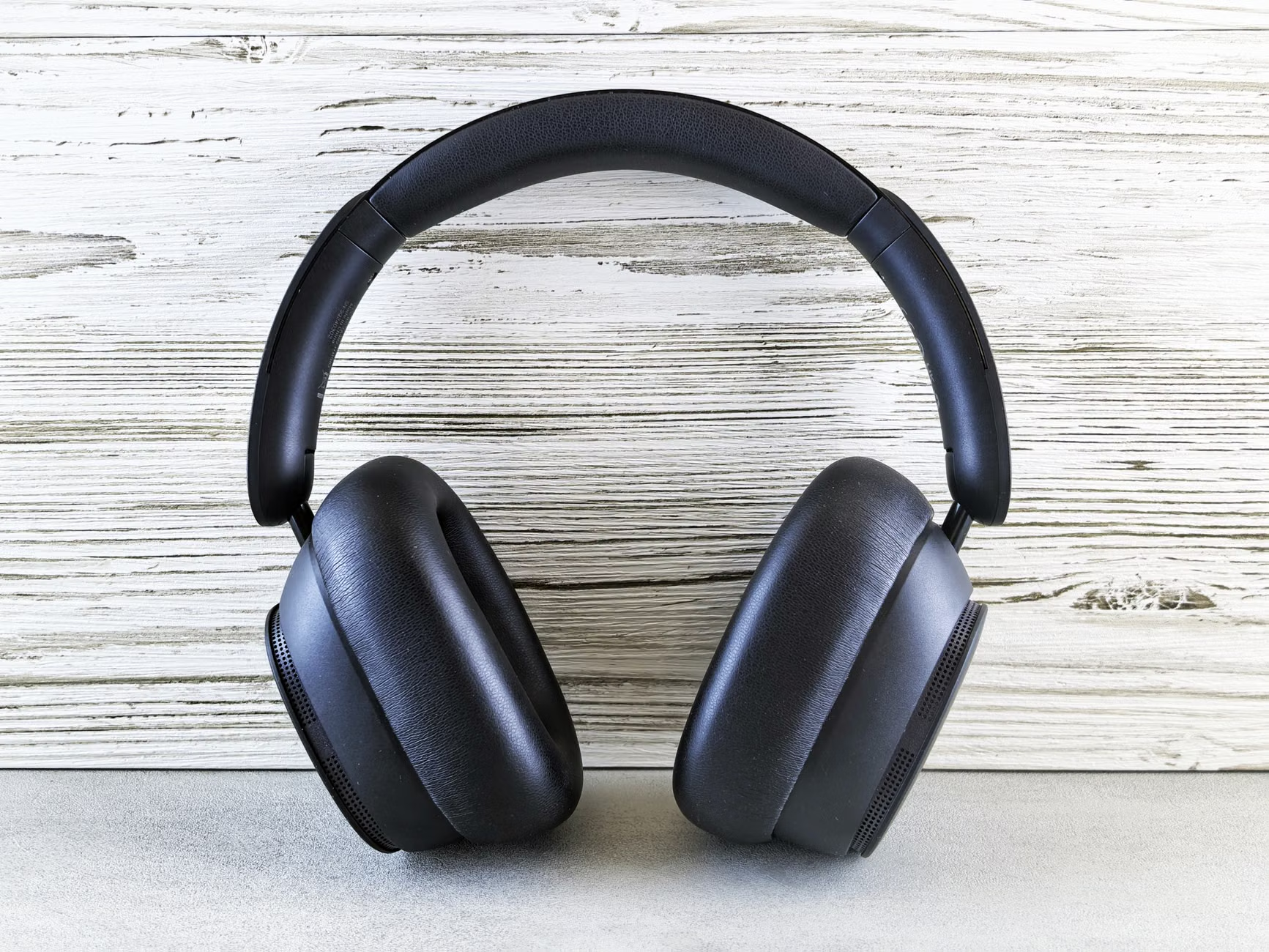
When packing for your trip, think in terms of “tactile vs. auditory.” Avoid toys that click, beep, or require sound output. Instead, prioritize:
- High-quality noise-canceling headphones: Not just for you, but for your children. If they can hear their own show or audiobook at a lower volume, the ambient noise in the carriage is reduced significantly.
- Fidget-friendly tactile activities: Magnetic tiles, sketchbooks, or quiet building sets that don’t involve small pieces falling onto the floor (the “clatter factor”).
- Pre-downloaded content: Never rely on train Wi-Fi. It is notoriously unreliable and prone to dropouts, which leads to frustration and (consequently) noise.
The “Quiet-Travel” trend also encourages parents to reframe the train ride as an activity. Instead of “getting through” the travel, use the time to engage in “parallel play.” You read your book, they read theirs. By modeling the behavior you want to see—the quiet, focused engagement—you set the tone for the entire carriage. Children are surprisingly good at reading the room if the room itself is designed for calm.
Understanding the Trade-offs: Is Quiet Always Better?
It is important to acknowledge that “Quiet-Travel” is not the optimal choice for every family. If your child is in a phase where they need to move, talk, and explore, forcing them into a quiet carriage is a recipe for a meltdown. In this case, the “Quiet-Travel” trend might actually be counterproductive for you.
If you find that your children need more space, look for “Family Carriages” or “Activity Coaches.” These are becoming more common in 2027, specifically designed to contain the energy of a family without bothering the rest of the train. These carriages are often located at the end of the train, closer to the restrooms and the snack bar, which is a massive logistical advantage for parents.
The Hidden Cost of Silence: There is a subtle social pressure when you enter a quiet zone. As a parent, you might feel like you are being watched or judged the moment your child makes a sound. This is a real psychological burden. If you are already feeling stressed or anxious, this pressure can exacerbate the situation. If you choose to go into a quiet zone, go in with the confidence that you have as much right to that space as anyone else. Most fellow passengers are far more empathetic than we imagine, provided we are making a genuine effort to keep things calm.
The Future of Rail: Why This Trend Isn’t Going Away
The “Quiet-Travel” movement is part of a larger shift in the rail industry toward “Experience-Based Transit.” As airlines continue to struggle with the physical limitations of space and the inherent stress of airport security, rail travel is positioning itself as the “human-scale” alternative. In 2027, we are seeing more investment in the “third space”—the idea that the train is a place to be, not just a place to be moved.
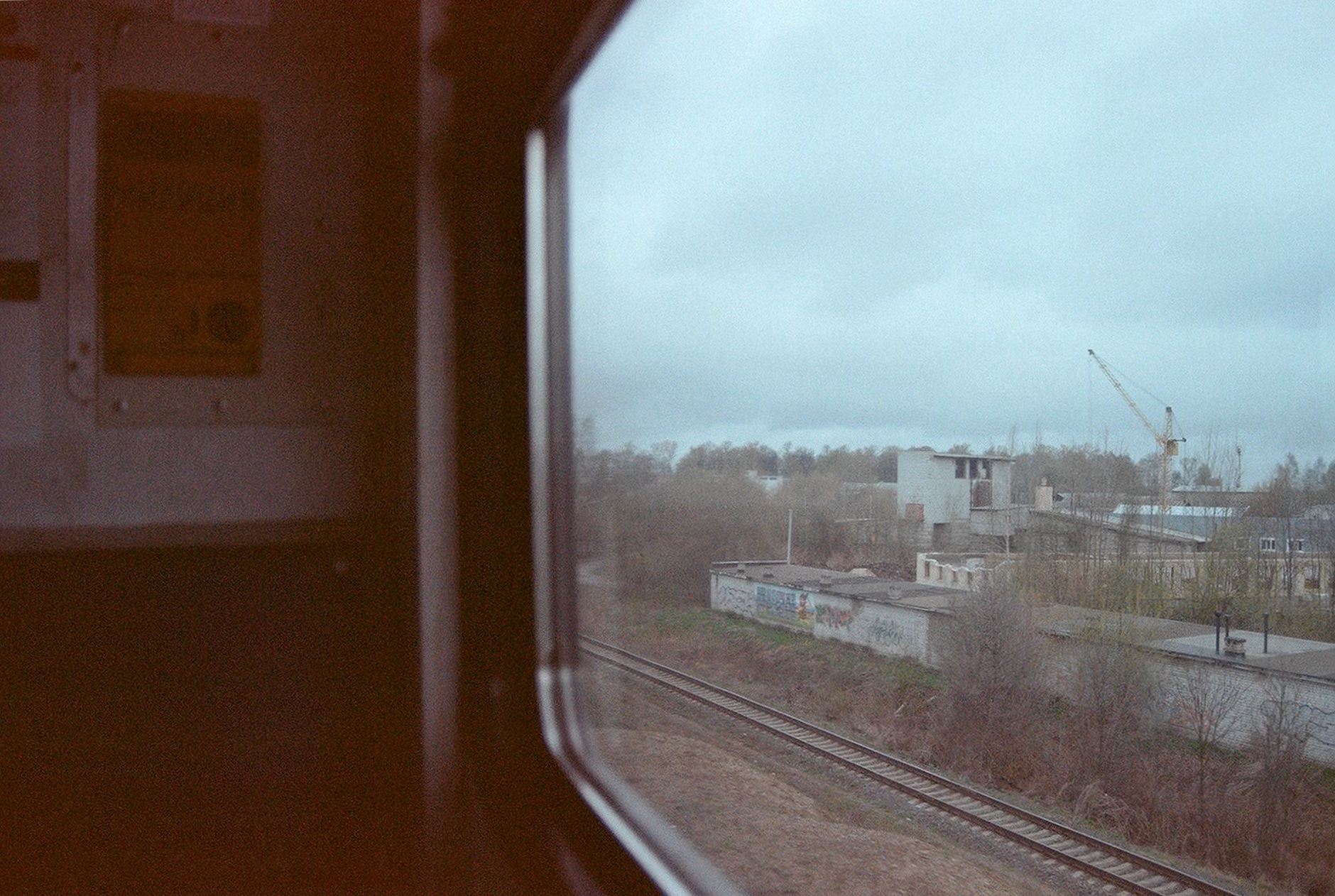
For parents in their 30s and 40s, this is a massive opportunity. We are the generation that grew up with the internet and the expectation of constant availability. We are the ones who feel the burnout the most. By choosing “Quiet-Travel” options, we are not just saving our sanity for the trip; we are reclaiming our right to slow down. It is a small, incremental change, but when you multiply it across dozens of trips, it significantly alters the quality of your family life.
Actionable Step: The next time you book a rail journey, take the extra five minutes to look at the seat map and the carriage configuration. Don’t just pick the first available seat. Look for the quieter options, check the proximity to the amenities, and consider the time of day. These aren’t just logistical choices; they are decisions about the kind of experience you want to provide for yourself and your family.
Frequently Asked Questions
Does “Quiet Zone” mean I cannot bring my children into that carriage?
Absolutely not. “Quiet Zones” are for everyone. However, they are for passengers who can commit to maintaining a low volume of noise. If your children are at an age or temperament where they cannot maintain a quiet environment, it is more considerate—and less stressful for you—to choose a standard or family-designated carriage. It is about choosing the right environment for your family’s current needs.
What if the Wi-Fi in the quiet zone is terrible?
Expect the Wi-Fi to be terrible. Even in 2027, the structural integrity of train carriages often interferes with signal reception. The key to successful quiet travel is “offline independence.” Download all your movies, music, e-books, and games before you leave the house. If you rely on streaming, you are setting yourself up for the exact kind of stress the quiet-travel trend is designed to help you avoid.
Are there extra fees for booking a seat in a quiet zone?
In most regions, there is no additional “Quiet Zone” fee, though you might have to pay a “Seat Reservation” fee. Some premium-tier rail services do include quiet carriages as part of their higher-priced classes. Always check the ticket class descriptions on the official carrier’s website. If you are in Europe, check Eurail for specific line guidelines; for North America, refer to Amtrak’s updated carriage policies.
At the end of the day, travel is about the memories you create. If a quieter, more peaceful journey allows you to be a more present and patient parent, then it is worth the extra planning. Don’t let the stress of the journey overshadow the joy of the destination. Choose your carriage, pack your kit, and enjoy the silence.