- Book Early for Peak Views: Heritage lines often have limited seating; booking at least 3 months in advance is essential for securing window seats on the ocean-facing side.
- The “Station-to-Stay” Strategy: Focus your itinerary on two main hubs rather than hopping hotels daily to minimize the stress of managing luggage with children.
- Hidden Costs Matter: Factor in “last-mile” transport costs, such as taxis or local buses from the rail station to your final accommodation, which are often overlooked in standard travel budgets.
The most effective way to experience a heritage-rail coastal route is to treat the train not just as transportation, but as the primary activity itself. When you are in your 30s or 40s, balancing the logistical demands of parenting with the desire for a meaningful escape, the “slow travel” movement offered by historic rail lines provides a unique solution: it forces you to slow down while providing constant, changing scenery that keeps children engaged without the need for screens.
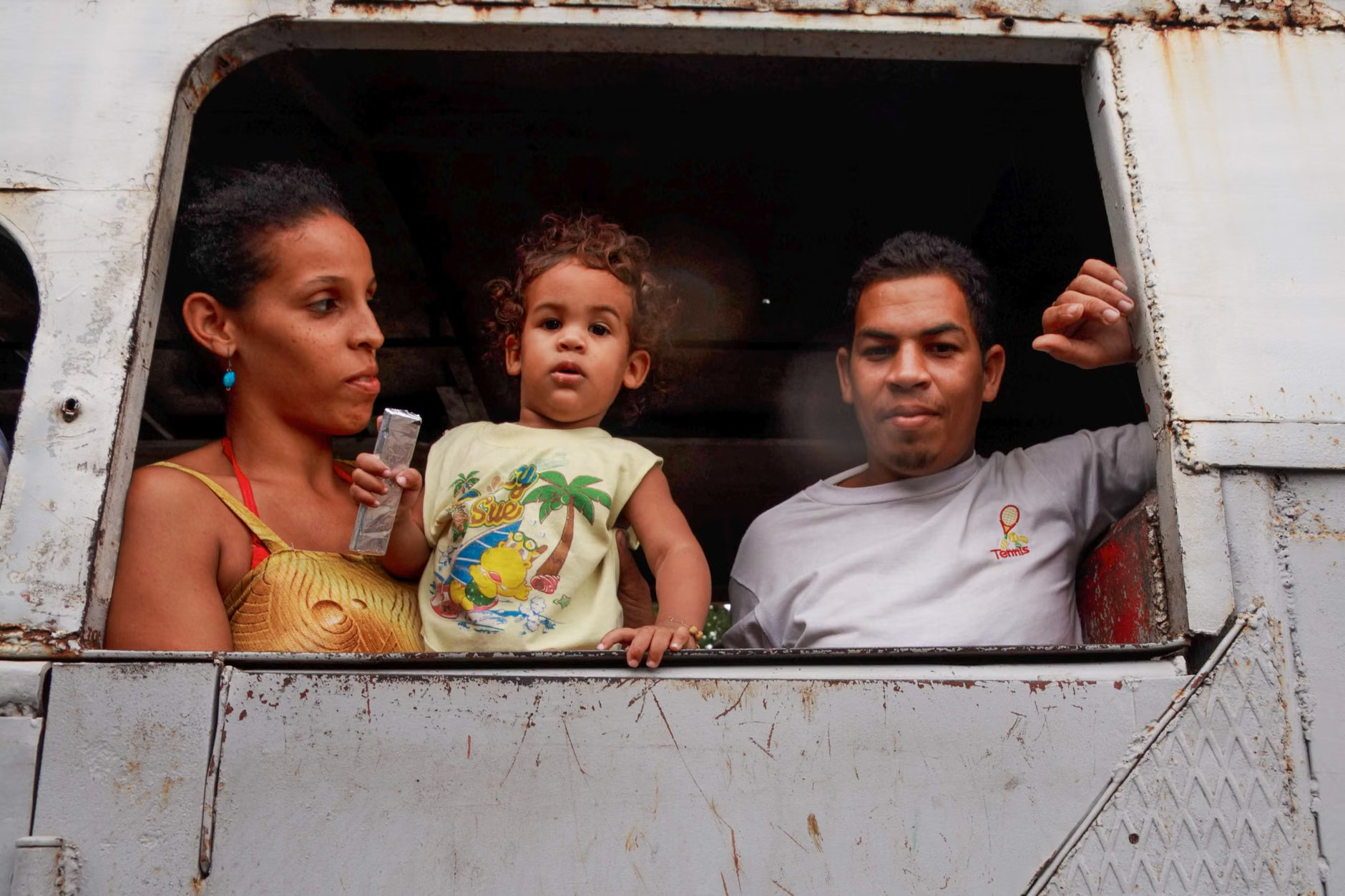
Why Heritage-Rail Routes Are Ideal for Modern Families
Heritage rail lines—often repurposed freight or historical passenger tracks—offer an experience that modern high-speed trains simply cannot match. They move at a pace that allows you to actually see the landscape, the changing flora, and the coastal geography. For a parent, this is a massive win. You aren’t confined to a cramped seat in a pressurized cabin; you are often in open-window carriages or vintage-styled coaches with more legroom and a sense of history.
The core advantage here is the “passive entertainment” factor. Children are naturally drawn to the rhythm of the tracks and the novelty of the vintage equipment. Unlike a long car ride where the driver is stressed by traffic and passengers are bored, a heritage rail journey turns the transit time into a communal family experience. You can move around, share snacks, and point out landmarks without the anxiety of navigating unfamiliar coastal roads.
Strategic Planning: The 3-Month Rule
Heritage railways are rarely run with the efficiency of national commuter lines. They are often operated by trusts or non-profits, meaning their booking systems can be archaic. If you wait until the last minute, you will likely find yourself in a middle seat or, worse, on a sold-out service.
The Golden Rule: Aim to finalize your route and purchase tickets 90 days out. This is when most heritage lines release their seasonal schedules. If you are planning a trip during a holiday period—even a minor one—that window should be extended to 120 days. When booking, always check if the line offers “reserved seating.” If they do, pay the small premium. Being able to secure a table seat for a family of four is the difference between a relaxing journey and a frantic hour of trying to keep belongings from sliding off your lap.
Mapping Your Route: Hub vs. Linear
A common mistake is trying to see too many stations. If your rail line stops at six coastal towns, do not try to stay in three of them over a four-day trip. Moving hotels with children and luggage is a significant logistical drain. Instead, adopt a “Hub Strategy.”
| Strategy | Best For | Key Benefit |
|---|---|---|
| Hub Strategy | Families with kids under 8 | Reduced packing/unpacking, stability |
| Linear Strategy | Older teens/Solo travelers | Maximum scenery, no backtracking |
If you choose the Hub Strategy, pick the town with the most robust local infrastructure—usually the one with the largest station. Use the train for day trips along the coast, returning to your “home base” each evening. This provides a sense of routine that helps children adjust to the travel environment.

Budgeting for the “Last Mile” and Hidden Costs
Heritage rail tickets are only one part of the budget. When you arrive at a remote coastal station, you are often miles away from the beach, the hotel, or the main town center. This is where many travelers encounter “sticker shock.”
Always research the local “last mile” connectivity before you book your train tickets. Is there a local bus? Does the hotel offer a shuttle? In many coastal regions, taxi services are limited and expensive, especially if you need a car seat. If you have to rely on private transport, budget an additional 30% on top of your rail ticket costs to cover these local transfers. This prevents the “surprise expense” that can derail the mood of a vacation.
Packing Light: The Essential Gear List
Train travel rewards the minimalist. Unlike a car, where you can stuff an extra suitcase in the trunk, you are responsible for every bag you carry onto the platform. For a family, this means one primary suitcase per adult and one small backpack per child.
Essential Items for the Carriage:
- Refillable water bottles: Vintage trains rarely have modern vending machines.
- Hard-copy itinerary: Do not rely on mobile data; coastal regions often have “dead zones” where train signals drop.
- Noise-canceling headphones: Not for the kids, but for the adults. Heritage trains are loud. The whistle, the clatter of the tracks, and the wind can be fatiguing over a three-hour journey.
- Light layers: Older carriages are notoriously drafty, even in summer. A light windbreaker or fleece is often necessary, even if it feels hot on the platform.
What happens if the service is canceled due to weather or maintenance? It happens more often than you’d think. Most heritage lines will offer a refund, but they rarely offer alternative transport. Always have a “Plan B” in the form of a pre-researched bus route or a list of local car rental agencies near the station. Do not wait until the cancellation announcement to start searching for alternatives on your phone.
Furthermore, be aware of “accessibility gaps.” Many historic stations were built in the 19th century and lack elevators or ramps. If you are traveling with a stroller, verify the station’s accessibility status on their official website. If they indicate “limited access,” prepare to carry your stroller up stairs. If you can, switch to a soft baby carrier for the duration of the train trip; it will save you immense frustration when navigating tight corridors and narrow platforms.
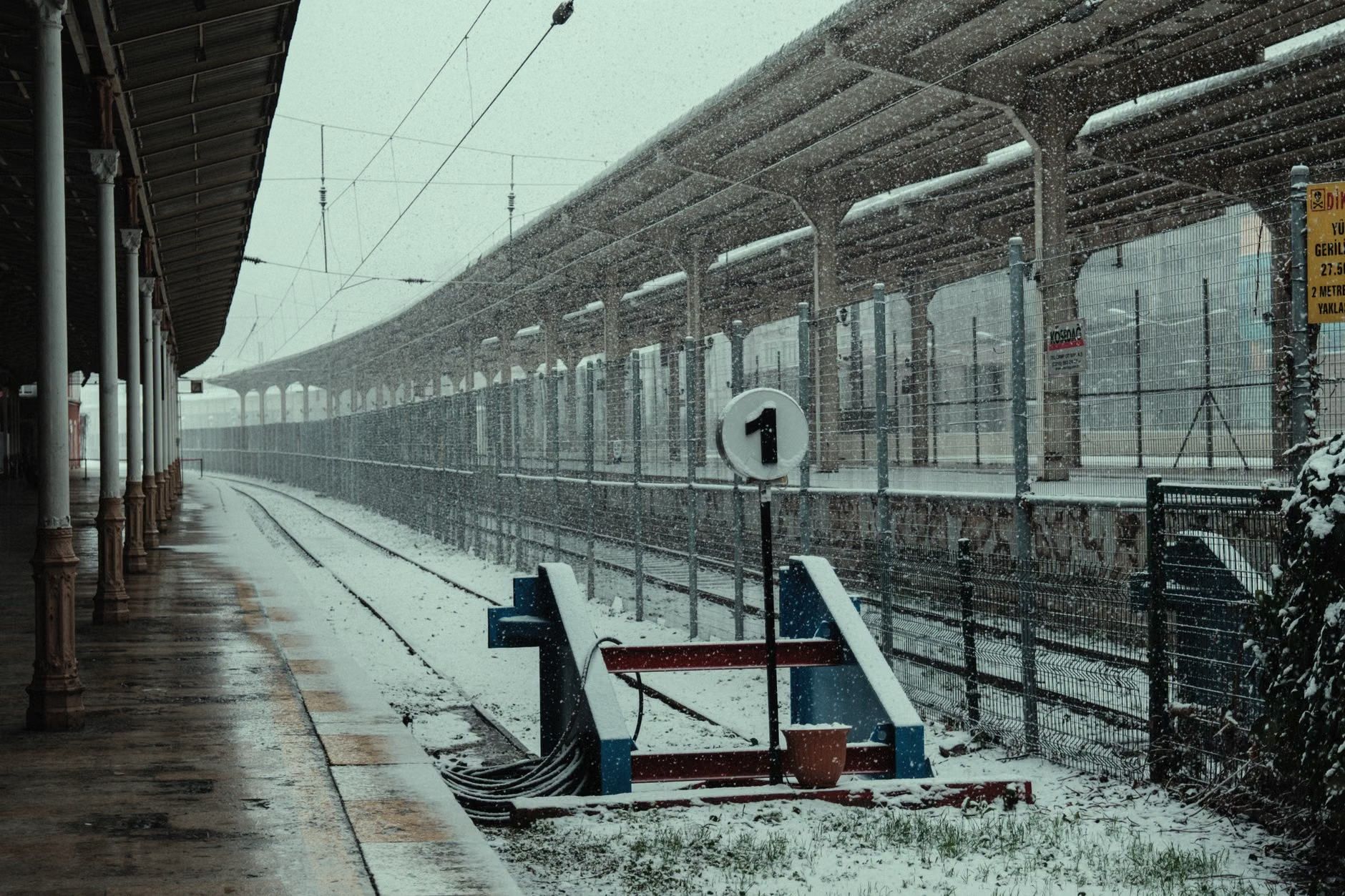
The Psychology of Slow Travel
There is a specific psychological benefit to the heritage rail experience that shouldn’t be overlooked. In our daily lives, we are conditioned to maximize efficiency—getting from point A to point B as fast as possible. Heritage rail disrupts this. It forces a change in perspective. When you are watching the coastline crawl by at 20 miles per hour, your brain naturally shifts into a different gear. This is particularly valuable for parents in their 30s and 40s who are often stuck in a cycle of “productivity.”
This isn’t just about relaxation; it’s about modeling a different way of experiencing the world for your children. When you show them that the journey is just as important as the destination, you are teaching them a form of mindfulness that is increasingly rare. It is an opportunity to engage in long-form conversations that simply don’t happen in the chaos of a busy airport or the confinement of a car.
Advanced Tips for the Seasoned Traveler
If you find yourself enjoying the heritage rail experience, consider looking into “Rail Passes” offered by national heritage associations. In many countries, these passes allow for unlimited travel on participating lines for a set period. While they require more complex planning, they can reduce the total cost of a multi-day trip by up to 20%.
Another overlooked variable is the direction of the sun. If you are traveling on a coastal line in the late afternoon, check which side of the train faces the water. In the Northern Hemisphere, a southward-bound train will have the ocean on the right side in the morning and the left in the afternoon. Choosing the right seat isn’t just about comfort; it’s about ensuring you get the unobstructed view you paid for.
Final Recommendations for Your Journey
Ultimately, a heritage rail trip is a logistical exercise that pays off in experiences. By prioritizing early booking, choosing a hub-based accommodation, and preparing for the “last mile” of your journey, you can mitigate the stresses that typically accompany family travel. Focus on the sensory details—the sound of the whistle, the smell of the sea air through an open window, and the rhythm of the tracks—rather than trying to check off every single sight on the route.
If you are looking to start, look for short, 90-minute “taster” routes first to gauge how your children handle the environment before committing to a multi-day excursion. Most national tourism boards have dedicated sections for “Scenic Rail” or “Heritage Transport”—start your search there to ensure you are booking through official, verified operators.
Frequently Asked Questions
1. Are heritage trains safe for toddlers?
Yes, but with caveats. Most carriages were built before modern safety standards existed. Keep children away from the gaps between carriages and ensure they are supervised near open windows. Always pack extra snacks, as food services on heritage lines are often limited or unavailable.
2. Can I bring a bicycle on a heritage train?
It depends entirely on the operator. Some lines are very accommodating, while others have strict “no bikes” policies due to the age and size of the carriages. Check the specific line’s “Conditions of Carriage” page on their website before showing up with your gear.
3. What is the best time of year for a coastal rail trip?
Shoulder seasons (late spring or early autumn) are ideal. You avoid the peak summer crowds, the weather is usually mild enough to enjoy the open windows, and the service frequency is often more stable than during the height of the summer holiday rush.
For further information on planning your route, check the official resources for your local region’s heritage rail trust or the national rail infrastructure provider’s guide to scenic tourism. Always verify your booking through the official operator’s website to avoid third-party reseller fees.