The most effective way for freelance families to sustain long-term travel isn’t by booking expensive Airbnbs, but by utilizing a “Workation-Swap”—a direct, non-monetary exchange of homes with another family that eliminates the single largest travel expense: accommodation.
- Financial Efficiency: Home swapping removes nightly rental fees, saving families on average 60-80% of their total trip budget compared to traditional vacation rentals.
- Infrastructure is King: For freelancers, a ‘swap’ is only viable if the host provides verified, high-speed fiber-optic internet and a dedicated workspace; never assume standard residential Wi-Fi is sufficient.
- Legal & Tax Awareness: Be aware that while home swapping is generally viewed as a private, non-commercial arrangement, long-term stays (over 90 days) may trigger residency or tax nexus questions in certain jurisdictions.
If you are a freelancer or remote worker in your 30s or 40s, you likely know the drill: you want to show your children the world, but the cost of short-term rentals, combined with your need for a stable internet connection, makes “digital nomadism” look more like a logistical nightmare than a dream. The Workation-Swap isn’t just about swapping keys; it’s about swapping lifestyles. It requires a shift in mindset from “consumer” to “community member.”
Understanding the Mechanics of the Workation-Swap
At its core, a workation-swap is a reciprocal agreement. You live in their home, and they live in yours. This isn’t a rental; it’s a mutual trust exercise. Because you aren’t paying for the space, the “transaction” is replaced by “maintenance and respect.”
For freelance families, this creates a unique advantage. You are moving into a home that is already “lived in.” This means you have a kitchen, a laundry setup, and often, toys and books for the children. Unlike a sterile hotel room or an empty vacation rental, a lived-in home provides the infrastructure necessary to maintain a routine—which is the secret weapon for any parent trying to balance a project deadline with a toddler’s nap time.
The “Freelancer-Ready” Checklist
Before you even consider swapping, you need to verify if the potential home can support your professional requirements. A beautiful view of the Mediterranean is worth nothing if you cannot join your Monday morning Zoom call. When vetting a swap partner, ask for these specific proofs:
- Speedtest.net results: Don’t settle for “we have fast Wi-Fi.” Ask for a screenshot of a speed test taken from the desk where you will be working. You need at least 25 Mbps download and 10 Mbps upload for stable video conferencing.
- Workspace ergonomics: Ask for photos of the designated workspace. Is it a kitchen table, or a desk with an office chair? If you are working 8 hours a day, a dining chair will destroy your back within a week.
- Power reliability: In some regions, power surges or outages are common. Check if the home has a backup power source or if the neighborhood is stable.
The Financial Reality: Beyond the Rental Fee
While the elimination of rent is the primary driver, do not fall into the trap of thinking a workation-swap is “free.” There are hidden costs you must factor into your budget to avoid mid-trip stress.
| Expense Category | Typical Cost (Monthly) | Notes for Freelancers |
|---|---|---|
| Platform Membership | $10 – $20 | Annual fee for platforms like HomeExchange or TrustedHousesitters. |
| Cleaning Services | $100 – $300 | Professional cleaning before/after the swap is standard courtesy. |
| Travel Insurance | $50 – $150 | Must include personal liability for the host’s property. |
| Utilities | Variable | Agree beforehand if you cover electricity/heating for high usage. |
The most overlooked cost is the “lifestyle gap.” If you swap from a low-cost area to a high-cost city, your grocery and transport expenses will skyrocket. Even if your housing is free, your cost of living will shift. Calculate your daily burn rate in the destination city before agreeing to the swap.
For those in their 30s and 40s, the “professional” part of the workation is non-negotiable. You are not on vacation; you are working remotely. This means you need to be transparent with your clients or employer about your location, especially if you are working across time zones.
The Residency Trap
If you are planning a long-term swap (anything exceeding 90 days), you must research the local residency laws. Many countries have specific visa requirements for “digital nomads.” While you aren’t working for a local company, some tax authorities may view your presence as “conducting business” within their borders. Always check the official government portal for the destination country (e.g., OECD tax guidelines or specific country immigration sites) to ensure you aren’t accidentally triggering a tax liability.
Insurance and Liability
Standard homeowners’ insurance often excludes coverage when the home is occupied by non-family members in a business-like arrangement. Before you finalize a swap, contact your insurance provider. You may need a specific “home-sharing” rider or a specialized policy that covers your liability for the guest’s property. Never assume your basic policy covers a stranger living in your house.
Designing the Perfect Work-Life Balance for the Family
The biggest mistake freelance parents make is trying to maintain a 9:00 AM to 5:00 PM schedule while traveling. It leads to burnout and resentment. Instead, adopt a “split-shift” or “asynchronous-first” approach.
The Split-Shift Strategy: If both parents are freelancing, stagger your hours. Parent A works from 7:00 AM to 12:00 PM while Parent B handles the kids and local exploration. Swap at midday. This ensures that someone is always present to facilitate the “vacation” part of the workation, while the “work” part remains protected.
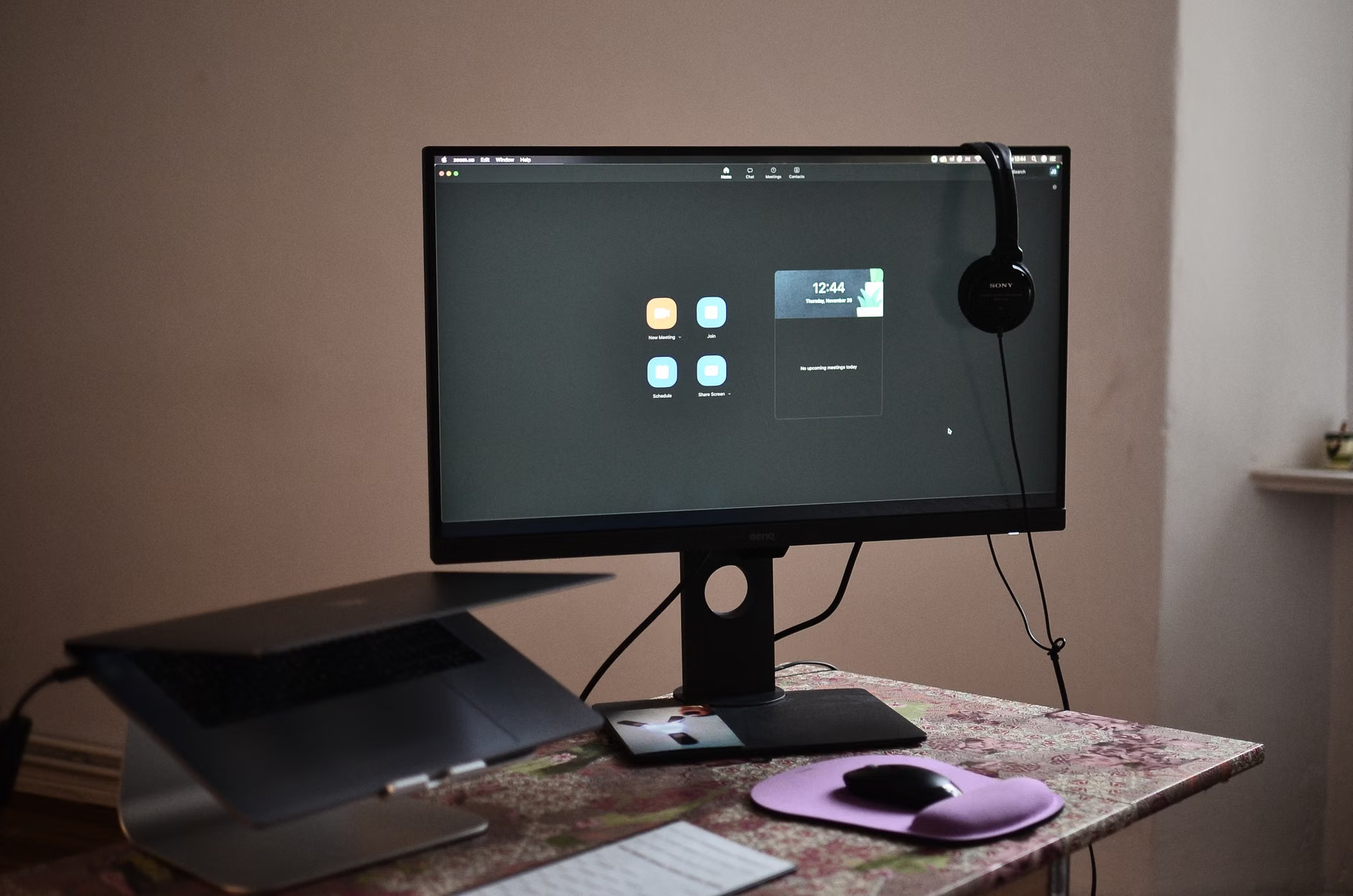
Creating a “Work Zone” in a Foreign Home
When you arrive at the swap home, your first task is setting up a dedicated “office.” It doesn’t have to be a separate room. It can be a corner of the living room. Use a physical divider—like a bookshelf or a folding screen—to create a visual boundary. When you are behind that line, you are at work. When you step out, you are present with your family. This psychological boundary is essential for maintaining sanity in a small, shared space.
Communication: The Glue of a Successful Swap
The success of a home swap depends entirely on communication. Before you leave, create a “Home Manual.” This should be a digital document that covers everything from how to operate the high-end espresso machine to the names of the neighbors who have a spare key.
Include a “Troubleshooting” section. What happens if the internet goes down? Provide the name of the local ISP and the account number. What if a pipe bursts? Provide the contact info for a trusted local plumber. Being proactive about these details builds immense trust with your swap partner, ensuring they treat your home with the same level of care.

Common Mistakes to Avoid
Even experienced travelers fall into common traps when organizing a workation-swap. Here are three things to watch out for:
- Ignoring the “Kid Factor”: If you are swapping with a couple that doesn’t have children, they may not realize that your kids will be using their space. Be explicit about your family structure. If your children are active, ask the host to move fragile items to a “locked room” or high shelf before you arrive.
- The “High-Season” Miscalculation: Trying to swap into a tourist hub during the peak season is difficult. Instead, target the “shoulder season.” You will find more availability, lower local prices, and a more authentic experience.
- Assuming Amenities: Don’t assume a home has a dishwasher, a dryer, or even a comfortable mattress. If these items are critical to your daily routine, verify them. A simple “Could you send a quick video tour of the kitchen and the laundry area?” can save you weeks of frustration.
The Cultural Nuance of Being a “Guest-Resident”
You aren’t a tourist; you are a neighbor. When you live in someone else’s home, you inherit their community. Take the time to introduce yourself to the neighbors. It’s not just about safety; it’s about integration. If the neighbors know you, they are more likely to help if you have an emergency. Plus, they can give you the “insider track” on where to buy fresh bread or which local parks are actually kid-friendly.
Respect local customs. If you are swapping into a country where quiet hours are strictly enforced, adhere to them. Your behavior reflects on your swap partner. If you are loud or disrespectful, the neighbors will blame the homeowner, which can cause significant issues for your partner’s long-term relationship with their community.

Scaling the Workation: Long-Term Considerations
If you find that the workation-swap works for your family, you might be tempted to make it a lifestyle. But remember that your children’s education and socialization are paramount. If your children are school-aged, you need to research the local schooling options or have a solid plan for remote/homeschooling. Don’t sacrifice their development for the sake of your wanderlust. Many families find that a “3-month swap” cycle is the maximum sustainable length before they need to return to a more stable environment for their children’s social needs.
Also, consider the logistics of healthcare. Ensure your health insurance covers international travel and that you have a list of pediatricians or urgent care centers in your destination city. It is a small detail that becomes massive if a child gets a fever or a minor injury.
Ultimately, the workation-swap is a tool. It is a way to bridge the gap between the professional demand for stability and the human desire for exploration. It requires planning, communication, and a willingness to step outside your comfort zone, but for the freelance family, the rewards—in memories, in perspective, and in cost savings—are unparalleled.
Frequently Asked Questions
1. How do I ensure my home is safe for a swap?
The best practice is to clear out personal items that are high-value or sentimental. Use a lockable cabinet or room for items you don’t want guests accessing. Most importantly, use a reputable platform that offers identity verification and, in some cases, insurance coverage for property damage. Always have a frank conversation with the potential swapper about house rules and security.
2. What happens if the internet goes out during my workation?
Always have a “Plan B.” For a freelancer, this is non-negotiable. Research local coworking spaces within walking distance of the house you are swapping into. Carry a portable 4G/5G hotspot device as a backup. If you are in a location with unreliable infrastructure, consider this a critical risk factor that might make the swap unsuitable for your professional needs.
3. How do I find families with similar lifestyles for a swap?
Use platforms that allow for detailed profiles. Look for families who are also freelancers or remote workers. These users are more likely to prioritize the same things you do: quiet, fast internet, and a functional home environment. Don’t be afraid to conduct a video call with potential partners to gauge compatibility; it’s the best way to see if your personalities and expectations align.
The workation-swap is not just a travel hack—it’s a lifestyle design choice. By treating your home and your work with professional care, you can turn your freelance life into a global adventure for your entire family. Start small, verify everything, and be a good neighbor wherever you land.