Small-ship educational cruises are the most effective way for families in their 30s and 40s to trade the chaotic, crowded experience of mega-liners for a high-impact, low-stress journey that prioritizes genuine learning and connection over endless buffet lines and poolside noise.
- Accessibility Over Size: Small ships (typically under 200 passengers) can navigate into remote inlets and smaller ports that mega-ships cannot touch, offering direct access to wildlife and local culture without the “tourist trap” filter.
- Curriculum-Based Travel: These voyages prioritize expert-led programming—such as marine biology workshops, photography classes, or history lectures—that keeps children engaged while providing parents with intellectual stimulation.
- The “Invisible” Cost Advantage: While the base price is higher than a mass-market cruise, the all-inclusive nature of expedition travel (shore excursions, gear, expert guides) often makes the total cost comparable to a disorganized DIY family vacation once hidden expenses are accounted for.
If you are in your 30s or 40s, you probably know the specific exhaustion that comes with “family vacation planning.” It usually involves hours of scrolling through reviews to find a hotel that isn’t a disaster, managing transport logistics, and trying to find activities that don’t bore your kids to tears or require a PhD in scheduling. The standard vacation model often feels like a second job. This is exactly why the shift toward small-ship educational cruises—often termed “expedition cruising”—is gaining such rapid momentum among parents who value time and substance.
Beyond the Waterpark: Why Small Ships Change the Educational Dynamic
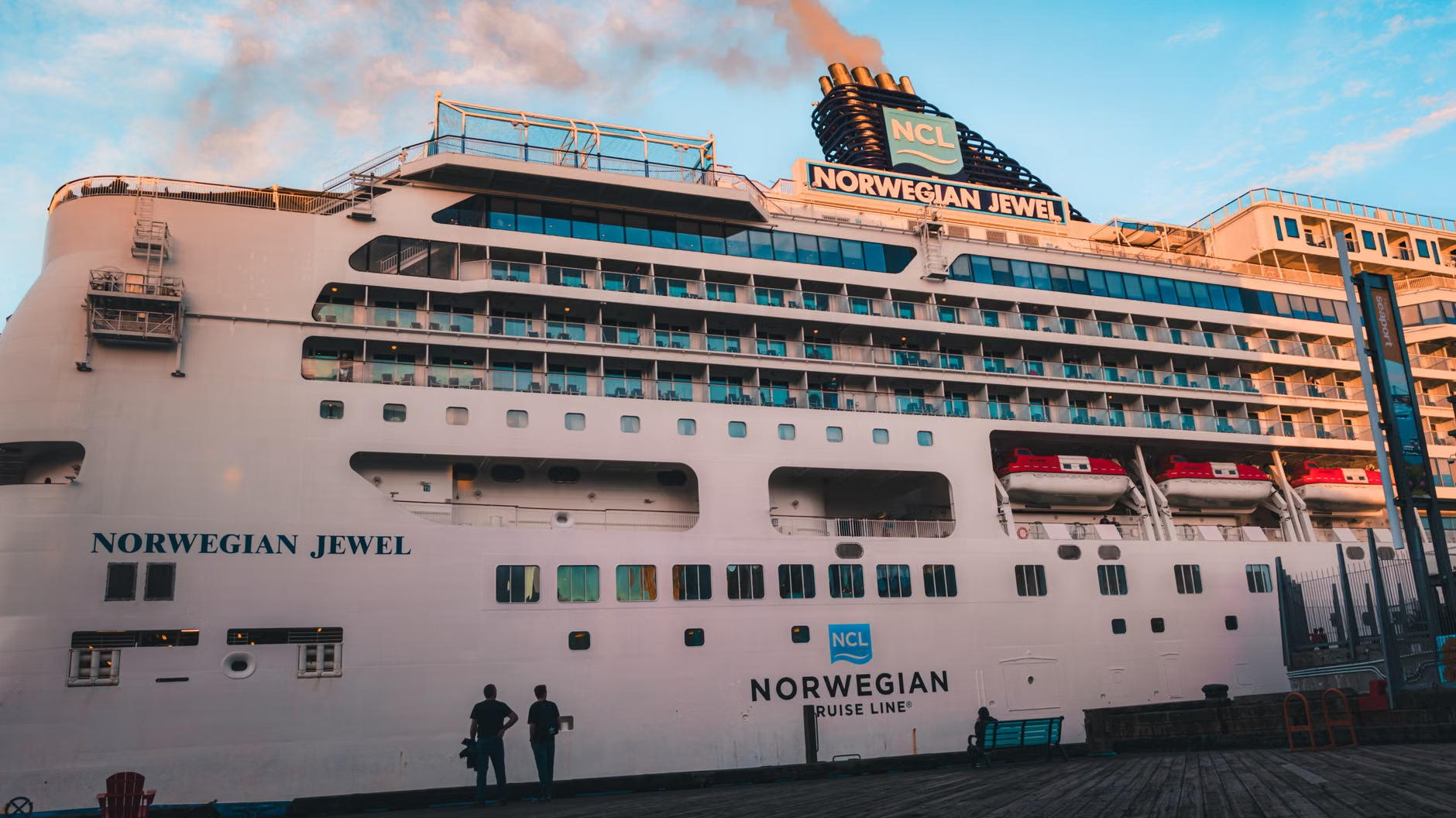
When we talk about “small-ship,” we aren’t just talking about a boat with fewer people. We are talking about a fundamental shift in the travel experience. A mega-liner with 5,000 passengers is a floating city. It is designed for scale, which means you spend half your time waiting in lines—waiting to disembark, waiting for dinner, waiting to get on the elevator. A small-ship cruise, conversely, operates more like a mobile classroom or a floating base camp.
In practice, this means the ship functions as a tool for exploration rather than the destination itself. If you are sailing in the Galápagos, the Arctic, or the Mediterranean, the ship is the vehicle that moves your “classroom” from one point of interest to the next. The educational value isn’t just a side-note; it is the core product. You might spend the morning zodiac-cruising past a glacier with a glaciologist, then spend the afternoon having a casual lunch where your children can actually talk to the experts, not just watch them from a stage.
For parents, the “why it matters” is simple: it removes the cognitive load of decision-making. Everything is curated. You aren’t choosing between ten different shore excursions, most of which involve a gift shop you didn’t want to visit. You are participating in a single, high-quality experience that has been vetted by experts. This allows you to stop being a “travel manager” and start being a participant alongside your children.

The Economics of Expedition Travel: Hidden Costs vs. Real Value
One of the biggest hurdles to booking a small-ship cruise is the sticker shock. You look at the price, and it feels significantly higher than a standard cruise line. However, this is a classic “apples to oranges” comparison. To understand the true cost, you have to look at the “all-in” price of a standard family vacation.
Let’s break down the hidden costs of a traditional “budget” family trip versus an expedition cruise:
| Expense Category | Standard Family Trip | Small-Ship Expedition |
|---|---|---|
| Shore Excursions | Variable (usually expensive) | Included |
| Professional Guides | Extra fee/Hard to find | Included (on-board staff) |
| Equipment (Snorkel/Gear) | Rental fees | Included |
| Logistics/Transport | Time-intensive planning | Seamless/Automated |
When you account for the fact that every single excursion, lecture, and piece of specialized equipment is included, the price gap shrinks dramatically. For a 30-something parent, the value isn’t just in the dollars saved; it’s in the hours of planning time reclaimed. If your time is worth anything, the “efficiency premium” of an expedition cruise is arguably the most valuable part of the purchase.
What a Day Actually Looks Like: Managing Expectations
If you have spent your life taking standard vacations, the rhythm of a small-ship cruise will feel different. There is no “schedule” of Broadway-style shows or casinos. Instead, the day is dictated by the environment. If the captain sees a pod of whales, the ship might change course. If the weather in a specific cove is perfect for kayaking, that becomes the priority.
This requires a certain amount of flexibility, which can be challenging for parents accustomed to rigid schedules. However, this is precisely where the “educational” aspect shines. You aren’t just showing your kids the world; you are showing them how to adapt to it. You are teaching them that nature doesn’t run on a clock. For families with children in their pre-teen or teen years, this is a significant developmental milestone—learning to pivot, observe, and engage with the unexpected.
A typical day might start early—around 7:00 AM—with a lecture or a briefing on what the group will see that day. By 9:00 AM, you are off the boat. You spend three to four hours in the field, whether that is hiking, zodiac-cruising, or exploring a coastal village. Lunch is back on the ship, followed by a “recap” session where the expedition team discusses what everyone saw. The evenings are generally low-key, often involving a documentary screening or a casual Q&A session with the naturalists on board.
Common Mistakes to Avoid When Booking
The most common mistake families make is choosing a ship based on the “luxury” of the cabins rather than the “quality” of the expedition team. In the world of small-ship cruising, the staff is the product. You want a ship that has a high staff-to-guest ratio, specifically people who are experts in the region you are visiting. A ship with a 1:10 ratio of guides to passengers is vastly superior to one with a 1:50 ratio, regardless of how fancy the room service is.
Another pitfall is ignoring the “physicality” of the trip. Some expedition cruises are extremely active, involving long hikes or difficult landings. Before you book, check the “activity level” rating for the cruise. If your children are younger or if you prefer a more relaxed pace, look for cruises that offer “easy” or “moderate” options. Don’t be afraid to email the company and ask about the specific age range of children usually on board. Some lines are strictly adult-oriented, while others have dedicated family programs that cater to the unique energy levels of younger travelers.
Actionable Steps for the Curious Family
If you are ready to explore this path, don’t rush into a booking. Start by defining your “educational goal.” Are you interested in marine biology? History? Geography? Different ships have different specializations. For instance, some companies focus heavily on polar regions, while others are masters of the Mediterranean or the South Pacific. Aligning your interest with the ship’s specialization is the best way to ensure your children stay engaged.
Once you have a region in mind, look at the “expedition team” bios on the company’s website. Are these people scientists? Educators? Historians? The best experiences come from ships where the staff is genuinely passionate about their subject matter and knows how to translate that passion for a younger audience. If the website doesn’t explicitly mention educational programming for kids, be skeptical. A “family-friendly” ship is very different from an “educational” ship.
Lastly, check the “all-in” policy. Some companies hide costs—like alcohol, specific excursions, or even gratuities—in the fine print. Ensure that your quote includes everything. If you are traveling as a family, look for “family suites” or connecting cabins, as these are limited on small ships and often sell out a year in advance. Booking early is not just about price; it’s about securing the specific infrastructure you need to make the trip comfortable.
Why This Matters for Your Next Decade of Parenting
The 30s and 40s are a unique window in parenting. Your children are at an age where they are starting to understand the world, but they still have the flexibility to travel with you. Small-ship cruises offer a way to bridge the gap between “vacation” and “education” in a way that feels seamless. You aren’t dragging your children to a museum they hate; you are exploring a living, breathing ecosystem with them.
This type of travel doesn’t just provide photos for social media; it builds a shared vocabulary for your family. When you go home, you aren’t just talking about “the beach.” You are talking about the specific behavior of a whale you saw, the geology of a rock formation you climbed, or the history of a village you visited. These shared experiences become the foundation of your family’s identity. In a world that is increasingly digital and disconnected, the “small-ship” experience is a deliberate step toward tangible, shared reality.
It is important to remember that these trips are not “resort” vacations. If you are looking for poolside service and a kids’ club where you can drop your children off for eight hours a day, a small-ship expedition is not for you. This is an investment in shared time, shared learning, and shared adventure. It requires you to be present. If you are willing to make that trade, the return on investment—in terms of memories and genuine growth—is hard to match.
For further research on selecting sustainable and high-quality expedition operators, you can consult resources from the International Association of Antarctica Tour Operators (IAATO) for polar regions or the Cruise Lines International Association (CLIA) for general industry standards. Always verify the specific operator’s credentials, as safety and environmental compliance are paramount in remote expedition zones.
Frequently Asked Questions
Q: Is this type of cruise appropriate for toddlers or very young children?
Generally, no. Most expedition cruise lines have a minimum age requirement, typically between 6 and 12 years old, due to the physical requirements of getting in and out of zodiacs and the safety protocols needed in remote environments. Always check the specific line’s policy before booking, as some are strictly for older children and adults.
Q: What happens if the weather is bad? Will the trip be ruined?
Weather is a standard part of expedition travel. The key difference between a mega-liner and a small ship is that the small ship has the flexibility to change its itinerary to find better conditions. While you might miss one specific site due to high winds or rough seas, the expedition team will almost always have a “Plan B” that is equally interesting. The “ruined” vacation is a myth; the “adventure” is the reality.
Q: How much do I really need to prepare my children for this?
The more you prepare, the better the experience. A few weeks before departure, get some books or documentaries about the destination. If the ship provides a reading list, go through it together. When children have a basic understanding of what they are about to see—like knowing what a specific bird looks like or why a glacier is blue—they are much more likely to be engaged when they see it in person.
For more information on expedition travel standards and safety, visit iaato.org (for polar regions) or cruising.org for general cruise industry guidelines.