The most effective way to preserve your family history isn’t through expensive professional genealogy services or complex scrapbooking projects; it is by establishing a consistent, low-friction “Intergenerational Storytelling Ritual” that takes as little as 15 minutes a week.
- Focus on specificity over biography: Ask about singular, sensory-based memories rather than asking “tell me about your childhood,” which is too broad to prompt a good story.
- The 15-minute rule: Keeping sessions short prevents fatigue for older relatives and ensures the habit is sustainable for busy parents in their 30s and 40s.
- Digitization is the insurance policy: Use simple, free audio recording tools to capture voices before they are lost, as the tone and inflection of a story are just as important as the facts themselves.
If you are in your 30s or 40s, you are likely in the “sandwich” phase of life. You are balancing the demands of your career and your own children while simultaneously realizing that your parents and grandparents are aging. There is a quiet, nagging anxiety that hits us around this age: the realization that when our elders pass, the stories of who we are and where we came from might disappear with them. We often think we need to block out an entire weekend to interview them or hire a professional to write a memoir, but that level of pressure is exactly why most of us never get around to it.
Why “Tell Me About Your Life” Fails Every Time
When we approach our elders with big, open-ended questions like, “What was your childhood like?” we are setting them up for failure. Even if they have a sharp memory, that question is overwhelming. It requires them to synthesize decades of experience into a coherent narrative, which is mentally taxing. Most people will simply default to, “Oh, it was fine, we lived in the country, I played outside a lot.” The conversation stalls, you feel guilty for not getting “the good stuff,” and the ritual dies before it begins.
Instead, we need to treat storytelling like a targeted investigation. The brain recalls specific details—smells, sounds, or a single moment of frustration—much faster than it recalls entire timelines. By narrowing the scope, you lower the barrier to entry. This is the difference between asking someone to paint a mural and asking them to describe the color of their first bicycle.
The “Specific Prompt” Strategy:
| Broad Question (Avoid) | Specific Prompt (Use Instead) |
|---|---|
| “Tell me about your school days.” | “What was the one thing you were most afraid of in your classroom?” |
| “What was your first job like?” | “What was the first thing you bought with your own paycheck?” |
| “Tell me how you met Mom/Dad.” | “What was the first meal you cooked for each other?” |
By using the right-hand column, you turn a chore into a conversation. You are not asking for a lecture; you are asking for a snapshot. When you get these specific snapshots, you are building a mosaic of their life that is far more vibrant than a chronological autobiography.

The Mechanics of the 15-Minute Ritual
Consistency beats intensity. You do not need to record a Ken Burns-style documentary. You need a habit that fits into your life. The 15-minute rule is designed for the parent who is trying to find time between school pick-ups, work emails, and household management.
Step 1: The “Low-Tech” Setup
Do not use professional recording equipment. It creates a “performance” atmosphere. Use the voice memo app already on your phone. If you have an external microphone, fine, but don’t let the lack of one stop you. The goal is to capture the inflection in their voice—the way they laugh at their own mistakes or the slight pause before they mention a difficult time. That is the “data” that future generations will treasure.
Step 2: The “Trigger Object” Method
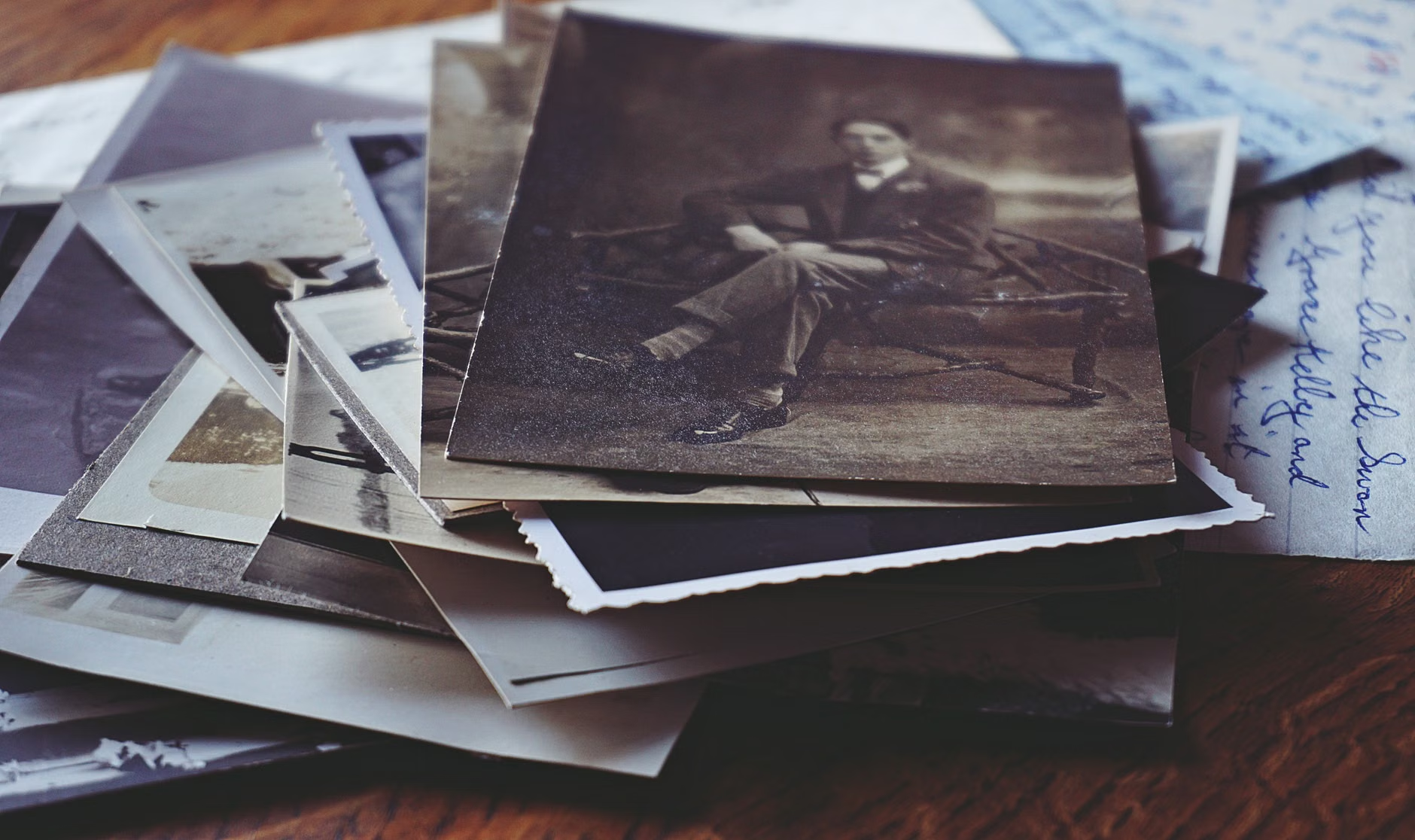
If conversation is still flowing slowly, bring an object. A physical object is a powerful anchor for memory. Bring an old photo, a piece of jewelry, a cookbook, or even a tool from their workshop. Ask, “Where did this come from?” or “What is the story behind this?” You will be surprised at how an inanimate object can unlock a 30-minute story about their own parents or their early career.
Step 3: The “Active Listener” Role
Your job is not to talk. Your job is to be the audience. In our 30s and 40s, we are used to being the ones who solve problems and manage schedules. During this ritual, you must switch into “curious observer” mode. If they start to repeat a story, let them. Repetition is often a sign that the story is a cornerstone of their identity. Instead of cutting them off, ask a question about a detail they haven’t mentioned before.
Managing the Digital Archive: Don’t Let it Rot
One of the biggest mistakes people make is recording hours of audio and then losing the files in a “Voice Memos” folder, never to be heard again. Digital clutter is the graveyard of family history. You must have a system to ensure these files are accessible.
The “3-2-1” Rule for Family Memories:
- 3 copies of the data: Keep one on your phone, one on your computer, and one in the cloud (Google Drive, iCloud, or Dropbox).
- 2 different formats: If possible, upload the audio to a private YouTube channel or a dedicated family history site like StoryWorth or a private blog, so it isn’t just a raw file.
- 1 off-site: Ensure at least one copy is in a cloud service that you pay for or manage, so it survives a house fire or computer crash.
If you are tech-savvy, consider transcribing the audio. AI tools like Otter.ai or even the built-in transcription features in modern word processors can turn your 15-minute recording into text in seconds. Having the text allows you to search for keywords later, which makes the stories much more usable for your children when they are older.
Addressing the Emotional Friction
Let’s be honest: talking about the past can be uncomfortable. Your parents might have regrets, or they might have had a difficult upbringing. Many of us avoid these conversations because we don’t want to “open a can of worms.” However, there is a concept in psychology called “intergenerational resilience.” Research consistently shows that children who know more about their family history—including the struggles and how their ancestors overcame them—tend to have higher self-esteem and better emotional regulation.
When you hear about a struggle, do not try to “fix” it or offer advice. Simply acknowledge it. Say things like, “That sounds like a really difficult time,” or “I never knew you had to deal with that.” This validation is a gift to your elders. It tells them that their life had meaning and that their experiences are worthy of being remembered.
Common Pitfalls to Avoid:
- The “Correction” Trap: If they get a date wrong or misremember a minor fact, let it go. You are not writing a legal document; you are capturing a perspective. Correcting them breaks the flow and makes them feel defensive.
- The “Interview” Vibe: Avoid sitting across from them with a notepad. Sit side-by-side. Look at the same photo or the same object. When people are looking at something else, they are less self-conscious and more likely to speak freely.
- The “All or Nothing” Mindset: If you miss a week, don’t give up. The ritual is meant to be flexible. If you only get to it once a month, that is still 12 times more than you would have done otherwise.
Integrating History into Your Children’s Lives
The final piece of this puzzle is connecting your children to these stories. Once you have a collection of these 15-minute clips, don’t keep them locked away. Use them to build a “family culture.”
If you’re driving to school, play one of the clips. If your child asks about their grandfather, play a clip of him telling a story about when he was their age. This creates a bridge between the generations. It makes your children feel like they are part of a larger, ongoing story. It transforms “family history” from a dry subject in a textbook into a living, breathing part of their daily life.
Decision Criteria: How to Pick Your Focus
If you are just starting, you might feel overwhelmed by the sheer volume of “history” to cover. Use this priority list to decide where to start:
- The “Origin” Stories: How did your parents meet? How did they end up in the city where you live now? These are the foundational stories that define your family’s current reality.
- The “Hardship” Stories: How did they handle a failure, a job loss, or a move? These provide the most valuable life lessons for your own children.
- The “Joy” Stories: What were their favorite traditions, games, or meals? These are the easiest to turn into current family rituals.

Why You Should Start This Weekend
We often treat family history as a “someday” project—something we will do when the kids are older, or when we have more free time. But the reality is that the most important resource in this project—the memory of your elders—is a depleting asset. It is not a project that can be deferred indefinitely.
The beauty of the 15-minute ritual is that it respects your current time constraints while honoring the urgency of the task. You don’t need a massive budget, a professional historian, or a dedicated studio. You just need a smartphone, a bit of curiosity, and the willingness to listen to the same stories a few times. By turning this into a routine, you are doing more than just preserving history; you are strengthening the bond between you, your parents, and your children.
Start this weekend. Don’t frame it as a “big project.” Just ask one question. See where it goes. You might be surprised at how much is waiting to be uncovered, and how much closer it brings your family together.
Frequently Asked Questions
1. What if my parents are uncomfortable with being recorded?
This is common. They might feel like they don’t have anything “interesting” to say. Explain that you aren’t looking for a formal biography, but rather small, personal snippets for your children to hear in the future. If they are still hesitant, try recording your own stories first and sharing them. When they see you being vulnerable, they are much more likely to open up. Alternatively, suggest that you take notes instead of recording audio, but emphasize that hearing their voice is the most important part.
2. Should I focus on genealogy (dates/names) or storytelling?
Focus on storytelling. While names and dates are important for a family tree, they don’t capture the “spirit” of the person. A family tree can be filled in later with public records, but the personality, the humor, and the specific memories are lost forever if not recorded. Prioritize the stories first; the genealogy can be a secondary, lower-pressure project.
3. How do I handle stories that are painful or involve family secrets?
Use your judgment. If a story is traumatic, you have the right to steer the conversation or decide not to record it. You are the curator of this legacy. If you do record it, you can label the file as “private” or “for adult ears only” in your digital archive. The purpose of this ritual is to build connection and resilience, not to force disclosure of information that your elders are not ready to share.
For further guidance on preserving family memories, you can refer to resources from organizations like the National Archives (US) for tips on oral history, or explore the StoryCorps DIY guide, which offers excellent templates for conducting meaningful interviews.