Key Takeaways
- Repairing is almost always cheaper: For high-end appliances, the cost of a professional repair usually sits between 15% and 30% of the replacement cost, offering a massive long-term ROI.
- Planned obsolescence vs. build quality: Many modern budget appliances are built to be disposable, whereas high-end units are designed for modular repair; identifying this difference is the first step in protecting your investment.
- The “Right to Repair” movement: New legislation and online communities now make it easier than ever to access schematics and parts that were previously locked away behind proprietary service walls.
If you are currently staring at a blinking error light on your high-end dishwasher or listening to your premium refrigerator make a rhythmic, slightly ominous clicking sound, your first instinct might be to open a shopping app. It is the modern default: when something breaks, we assume it is the “end of life” for the machine. We have been conditioned to believe that replacing an appliance is a logical upgrade, especially when the repair estimate feels like a significant percentage of a new purchase.
However, for those of us juggling the demands of parenting, career, and home management, the “replace-first” cycle is actually a trap. It is a drain on your savings, a headache for your schedule, and often a downgrade in quality. Adopting a “Repair-First” mindset isn’t just about saving money—it is about reclaiming control over the expensive hardware that keeps your household running.
The Hidden Math: Why Your High-End Gear Deserves a Second Chance
When you spend $2,000 on a premium washing machine or $3,000 on a high-end range, you aren’t just paying for the appliance; you are paying for robust engineering and, usually, modular design. Unlike entry-level appliances, which are often assembled with molded plastic that cannot be disassembled without breaking, high-end units are built with screws, accessible panels, and individual components that can be swapped out.
Let’s look at the actual math. If you have a five-year-old dishwasher that stops draining, a service call might run you $150 to $300. A new, comparable model today could cost $1,200 plus installation and removal fees. By choosing to repair, you are spending roughly 20% of the cost of a new unit. More importantly, you are keeping a machine that was built to last 15–20 years in service, rather than replacing it with a newer model that may actually be built with lighter-grade materials to meet current market price points.
Common Mistake: Many homeowners assume that if an appliance is over five years old, it is “old.” In the world of high-end appliances, five years is merely the break-in period. These machines are designed for the long haul. Replacing them early doesn’t just waste money; it forces you to deal with the hassle of delivery windows, installation, and the disposal of the old unit, which is rarely as eco-friendly as the marketing suggests.
| Factor | Repairing | Replacing |
|---|---|---|
| Financial Cost | 15-30% of new unit price | 100% of new unit + install |
| Time Commitment | 1-2 days (wait for parts/tech) | 1-3 weeks (stock/delivery) |
| Environmental Impact | Minimal (single part) | High (full unit waste) |
Identifying Repairable vs. Disposable Components
Not every failure is a death sentence. In fact, most household appliance failures come down to a handful of common, replaceable parts. Understanding what is actually failing is your best defense against predatory service quotes.
Most modern high-end appliances rely on a set of “consumable” parts—items that are designed to wear out over time. These include:
- Thermal Fuses: The “circuit breaker” of your appliance. If your dryer stops heating, this is the most likely culprit, costing less than $20.
- Water Inlet Valves: If your dishwasher or washer isn’t filling correctly, this solenoid valve is often clogged or burnt out.
- Drive Belts: Over time, these stretch or snap. They are inexpensive and, in most high-end units, accessible via the rear or top panel.
- Control Boards: These are the “brains.” While more expensive, they are essentially plug-and-play modules. If the screen is dead but the unit is otherwise sound, replacing the board is significantly cheaper than replacing the unit.
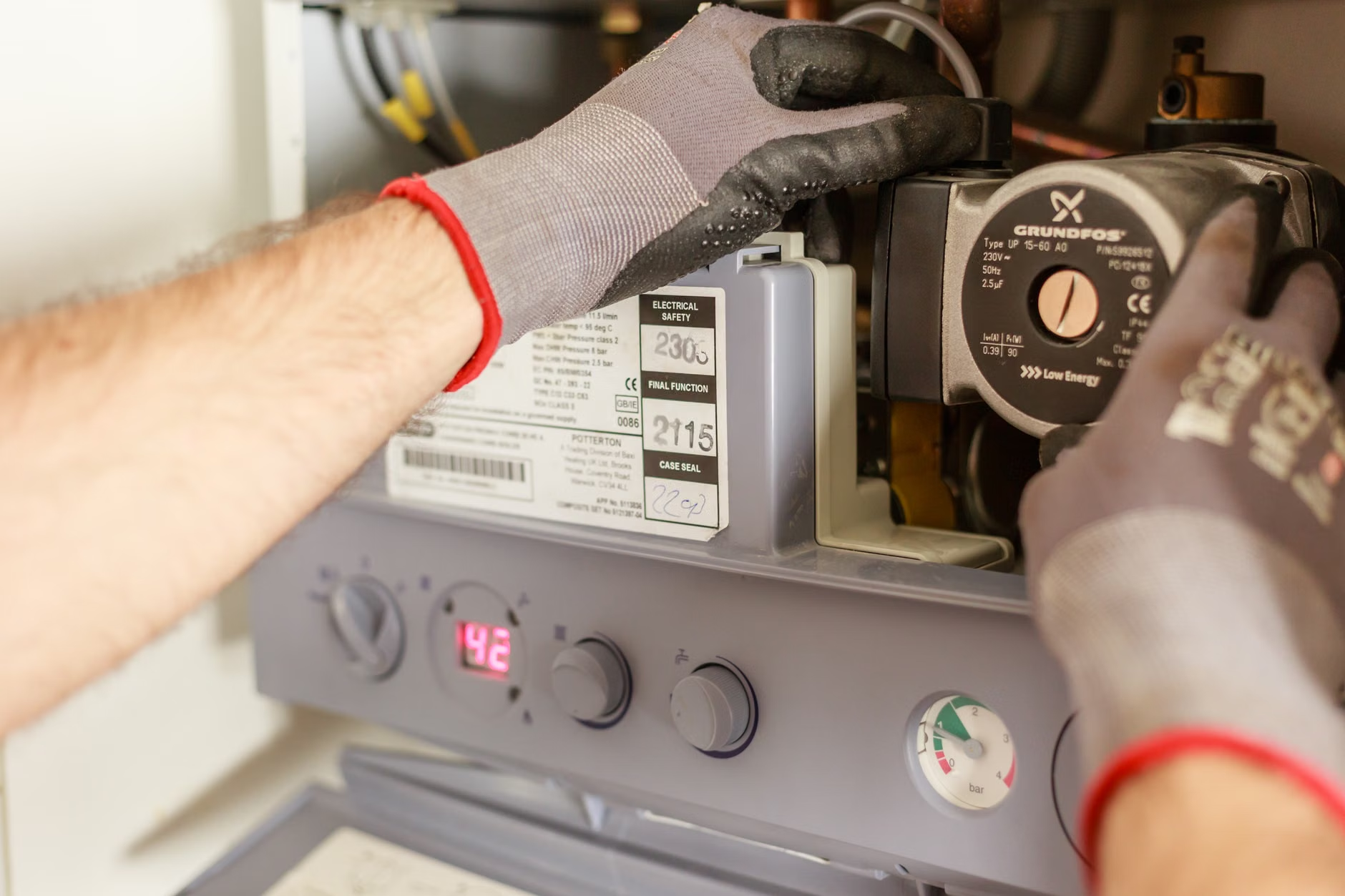
The “Rule of 50”: A common heuristic in the repair industry is that if a repair costs more than 50% of the value of a new appliance, it is time to replace. However, for high-end appliances, this rule should be adjusted. Because high-end units have better build quality, you should be willing to spend up to 60% of the cost of a new unit on a repair, provided the core chassis, motor, or compressor is still in good condition.
We are all busy, and the idea of dismantling a washing machine while the kids are running around the living room is not everyone’s idea of a fun weekend. You don’t have to be a master technician to adopt a repair-first mindset; you just need to know how to navigate the service landscape.
The “Verification First” Strategy: Before calling a service technician, perform a “data-gathering” step. Search the model number of your appliance + the error code or symptom online. Sites like RepairClinic or the manufacturer’s own support pages often have exploded-view diagrams. By looking at these diagrams, you can see how complex the repair is. If you see a simple modular part, you can decide whether to attempt a DIY swap or call a technician with the knowledge of exactly what needs to be done.
Common Mistakes to Avoid:
- Ignoring the “Reset”: Many modern appliances have a “soft reset” function. Unplugging the unit for 10 minutes or holding a specific combination of buttons can often clear a software glitch that looks like a mechanical failure. Check your manual first.
- Over-relying on “Authorized” Techs: While official manufacturer service is great, they often only carry OEM (Original Equipment Manufacturer) parts, which come at a premium. Independent repair shops often have access to high-quality aftermarket parts that function identically for a fraction of the cost.
- Not documenting the issue: If you do call a pro, film the error. A 10-second video of the machine making the noise or showing the error code can save the technician 30 minutes of diagnostic time—which is usually billable time.

The Changing Landscape: Why It’s Getting Easier to Repair
You might have heard the term “Right to Repair” in the news. This is a massive shift for consumers in their 30s and 40s. Governments globally, from the EU to various states in the US and beyond, are pushing legislation that forces manufacturers to make manuals, diagnostic tools, and parts available to the public and independent repair shops.
What does this mean for you? It means that the era of “proprietary screws” and “locked software” is slowly ending. You are now legally empowered to ask for the repair manual for your specific model. When you call a manufacturer for support, don’t just ask for a repair quote; ask for the part number of the suspected component. If they refuse to give it to you, that is a red flag that they are trying to force a service call.
Hidden Variable: The “Software Lock.” Be aware that some modern “smart” appliances require a technician to perform a software handshake after installing a new part. Before you buy a replacement part, do a quick search: “[Model Number] [Part] calibration required.” If a calibration is needed, you may still need a technician, but you can buy the part yourself to save on the markup.
Long-Term Maintenance: The Best Repair is No Repair
If you want to avoid the stress of a sudden breakdown, the repair-first mindset starts with maintenance. Most of us treat appliances like “set it and forget it” boxes, but they are mechanical systems that require basic care.
The Quarterly Maintenance Checklist:
- Refrigerator Coils: Vacuum the condenser coils behind or underneath your fridge every 6 months. Dust accumulation forces the compressor to work harder, shortening its lifespan. This is the #1 cause of premature compressor failure.
- Washer Filter: Most front-load washers have a drain pump filter that catches coins, buttons, and debris. If this gets clogged, the pump will burn out. Clean it every 3 months.
- Dishwasher Seals: Wipe down the door gaskets with a damp cloth. A buildup of food debris or soap scum can cause the seal to fail, leading to leaks that look like major plumbing issues but are just a $20 gasket replacement.

This kind of maintenance takes less than an hour per season and can effectively double the lifespan of your high-end appliances. It also keeps you familiar with the machine, making it much less intimidating if you ever do have to open it up for a repair.
When is it Actually Time to Replace?
While the repair-first mindset is the ideal, there are scenarios where replacing is the more pragmatic decision. You don’t want to be a martyr for a broken machine.
The “Death Spiral” Criteria:
- Multiple System Failures: If the control board goes, and then the motor goes, and then the pump goes, you are in a “death spiral.” The cost of individual parts and labor will eventually exceed the value of the unit.
- Efficiency Gaps: If you have a 15-year-old refrigerator that is leaking coolant and using twice the electricity of a modern Energy Star-rated model, the “hidden cost” of the electricity might justify a replacement.
- Safety Issues: If a repair involves the structural integrity of a pressurized system or a high-voltage component that you aren’t comfortable with, and the professional quote is exorbitant, it may be time to move on.
Always weigh the “cost of ownership.” A high-end machine that costs $100 a year to maintain is cheaper than a budget machine that costs $500 every three years to replace. The math almost always favors keeping the high-end unit running.
Final Thoughts: Reclaiming Your Household Independence
Adopting a repair-first mindset is about more than just the money in your bank account; it is about changing your relationship with the things you own. When you know how to fix your appliances, you stop being a passive consumer who is at the mercy of supply chains and repair windows. You become an active manager of your home.
Start small. The next time something acts up, don’t rush to the store. Take five minutes to look up the issue, check the manual, and see if it is a simple fix. You will be surprised at how often the solution is something you can handle, or at the very least, understand well enough to prevent a technician from overcharging you.
Your home is a complex, high-value ecosystem. Treat it with the same care you would any other investment. By choosing to repair, you aren’t just saving a few dollars—you are proving that quality, intentionality, and sustainability still matter in our busy, modern lives.
Frequently Asked Questions
- 1. How do I find reliable parts for my high-end appliances?
- Always search by the specific “model number” (found on a sticker inside the door or behind the unit) rather than the generic model name. Use official parts distributors like RepairClinic or PartSelect, which offer diagrams and cross-reference parts to ensure compatibility.
- 2. Is it safe for me to open my appliances if I’m not an expert?
- Most modern appliances have specific safety protocols. Always unplug the unit and, for appliances like microwaves or those with large capacitors, wait for the charge to dissipate. If you aren’t sure, the internet has thousands of step-by-step video tutorials. If a step looks dangerous or requires specialized tools you don’t have, that is your cue to call a pro.
- 3. Why do some manufacturers make it so hard to find repair information?
- Some manufacturers prefer a “closed ecosystem” where they control all service and parts. This is exactly what the “Right to Repair” movement is fighting against. If you hit a wall, check community forums like Reddit’s r/Appliances or iFixit. Often, the community has already reverse-engineered the solutions that the manufacturer refuses to provide.
Resources for further reading: