Quiet luxury isn’t about buying expensive storage bins; it’s about the deliberate reduction of visual noise to create a sense of calm that makes a busy household feel intentional rather than chaotic.
- Quality over quantity: Invest in a few high-quality storage solutions that match your home’s architecture rather than buying mass-market plastic organizers.
- The “Hidden” Rule: The core of quiet luxury is hiding the visual clutter of everyday life behind closed doors or within curated, monochromatic zones.
- Sustainable Maintenance: True organization is an ongoing habit of curation, not a one-time project; if an item doesn’t serve a purpose or bring genuine ease, it shouldn’t be in the space.
If you are in your 30s or 40s, you likely know the specific pain of a “lived-in” home. It’s the pile of mail on the counter, the mismatched plastic containers in the cupboard, and the sheer volume of toys that seem to multiply overnight. We often try to solve this with more bins, more labels, and more “hacks.” But often, these solutions just add more visual clutter. Quiet luxury, a trend that migrated from high-end fashion to interior design, offers a different path: instead of managing more stuff, we focus on creating a space that feels expensive because it is peaceful, empty, and tactile.
What Quiet Luxury Really Means for Your Living Space
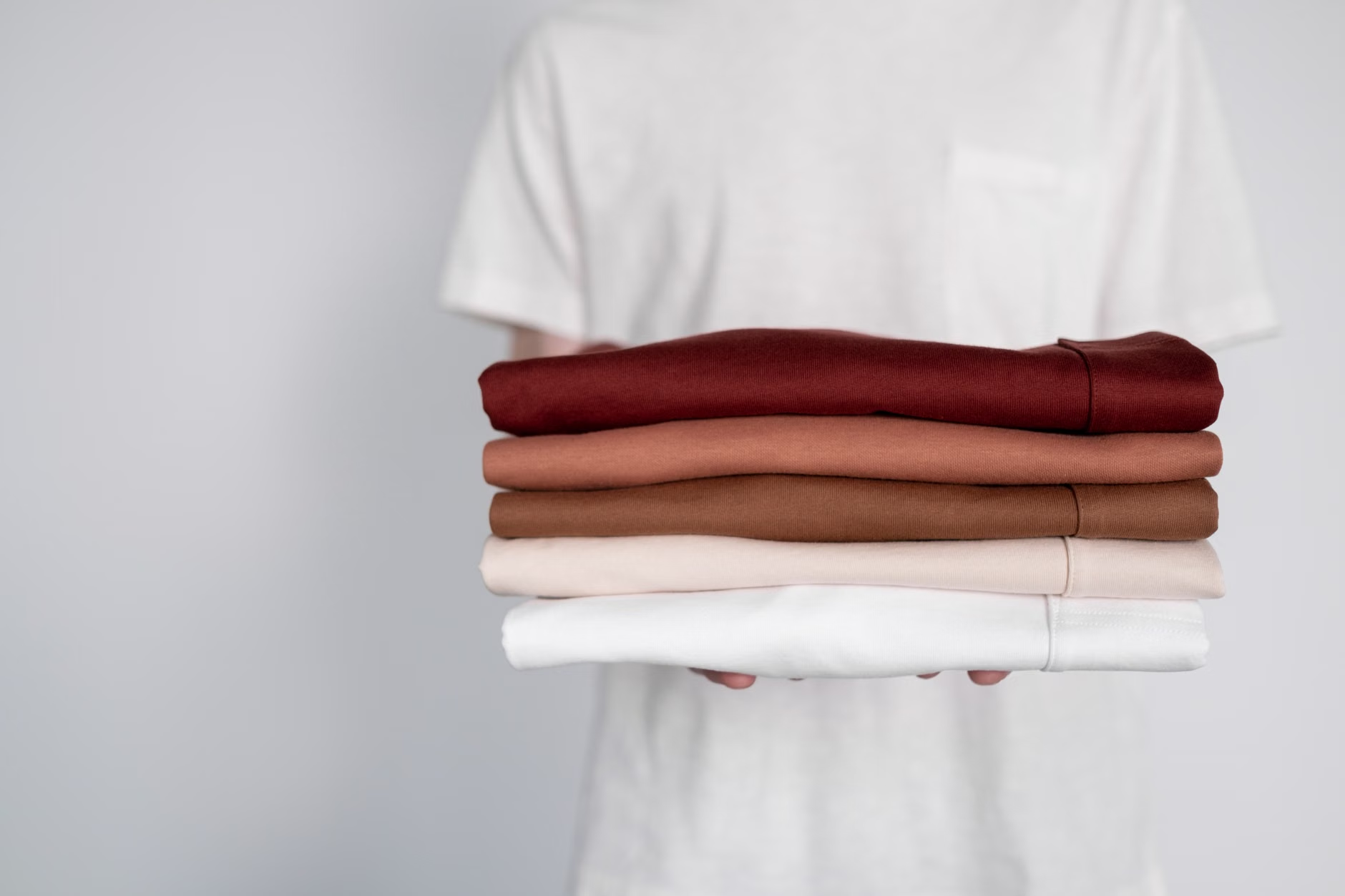
When we talk about “quiet luxury” in home organization, we are talking about the aesthetic of restraint. It is the opposite of the “maximalist” organization often seen on social media, where every inch of a pantry is filled with colorful, labeled plastic containers. Quiet luxury is about choosing materials that age well—like wood, linen, glass, and metal—and keeping surfaces clear.
For a parent, this sounds almost impossible. How do you have a “quiet” home with children? The answer isn’t to remove the children or their belongings; it is to change how you store them. Instead of open, colorful bins that scream “toy zone,” quiet luxury uses closed cabinetry or neutral-toned baskets that blend into the wall color. It is about reducing the number of items you see at any given moment. When you walk into a room, your eyes should rest on a few curated pieces rather than scanning a chaotic landscape of miscellaneous objects.
The Psychological Impact of Visual Quiet
Research into environmental psychology suggests that our brain processes visual clutter as background stress. When we are surrounded by too many items, our executive function—the part of our brain responsible for planning and focusing—is constantly interrupted. For parents juggling work and home, this is a hidden energy drain. By adopting a quiet luxury aesthetic, you are not just cleaning; you are lowering your baseline stress levels. It’s about creating a home that acts as a decompression chamber after a long day.
Step 1: The Great Curation (Not Just Decluttering)
Most of us start by decluttering, but we do it poorly. We keep things “just in case.” To achieve a quiet luxury feel, you must shift your mindset from “keeping” to “curating.”
Ask yourself: Does this item support the life I want to live? If you have a kitchen gadget you use once a year, store it in the attic or garage, not in the prime real estate of your kitchen counter. Quiet luxury prioritizes the items you use daily. If you use a coffee maker every morning, that machine should be high-quality, and the space around it should be pristine. If you have ten mugs, keep the three you actually love and donate the rest. The luxury isn’t in the number of items; it’s in the ease of using the items you love.
The “Surface Rule” for Busy Households
A simple test for your home: look at your flat surfaces—the kitchen island, the dining table, the hallway console. Are they covered in things that don’t belong there? The goal of quiet luxury is to keep these surfaces 80% clear. When you have a clear surface, you have space to breathe. If you have a family, create a “landing zone” in a drawer or a closed cabinet where keys, mail, and school forms go the moment they enter the house. If it isn’t on a surface, it isn’t creating visual noise.
| Area | Common Mistake | Quiet Luxury Fix |
|---|---|---|
| Kitchen Counter | Storing all appliances out | Keep only the daily essential; hide others in deep cabinets |
| Entryway | Open shoe racks/coat hooks | Closed cabinetry or a dedicated bench with internal storage |
| Living Room | Visible toy bins | Neutral fabric baskets or furniture with built-in storage |
Step 2: Choosing Materials That Age Gracefully
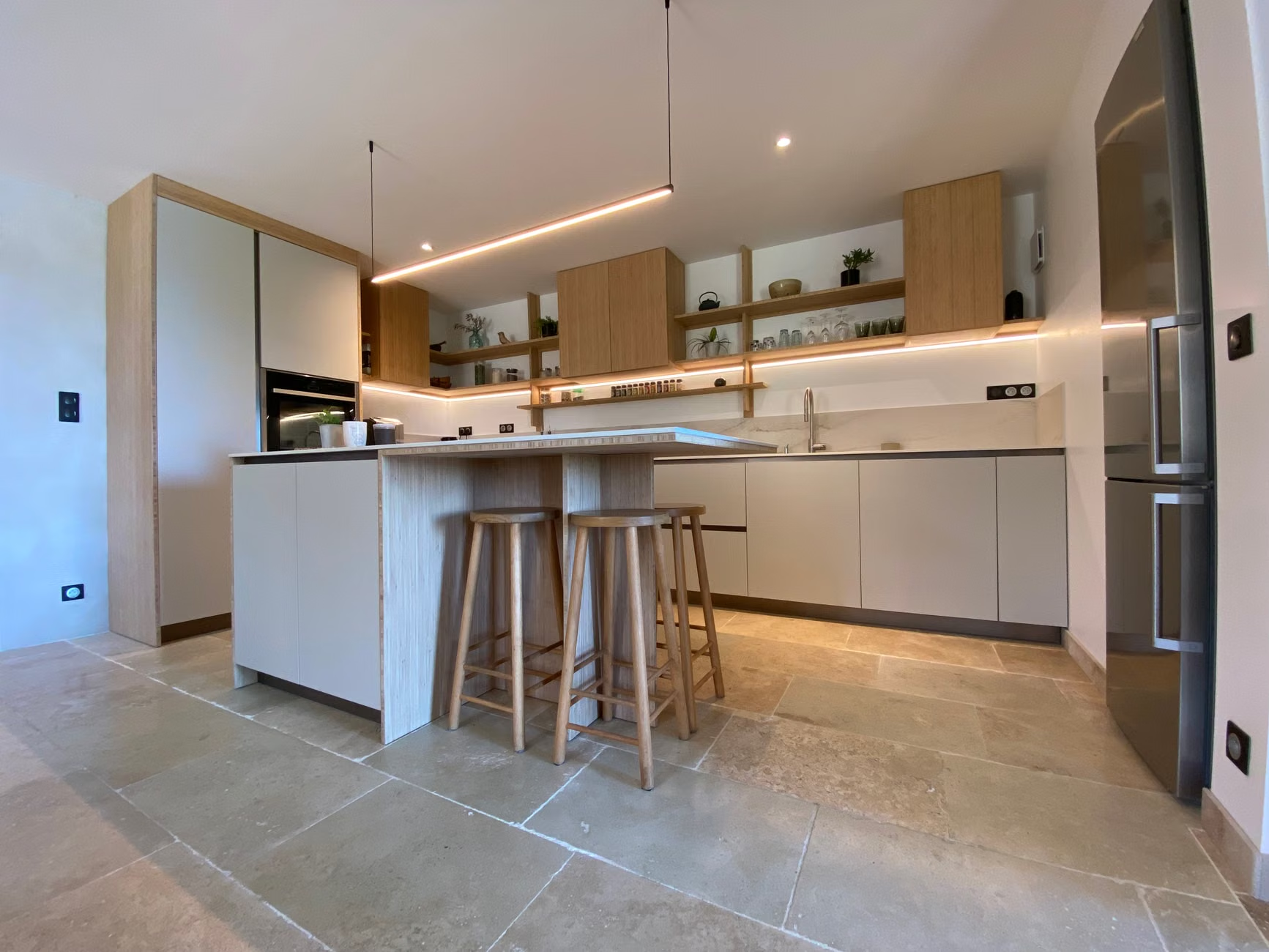
The “luxury” in quiet luxury comes from the quality of the materials. Cheap plastic bins have a short lifespan and often look dated within a year. When you are looking for storage solutions, look for organic materials that add warmth to a room.
Think about using rattan baskets, wooden drawer dividers, or glass jars with cork lids. These items aren’t just functional; they are part of the decor. They feel substantial. When you reach for a wooden box to store your cables, it feels different than reaching for a flimsy plastic box. This tactile experience is a subtle but powerful part of the quiet luxury philosophy. It forces you to slow down and appreciate the items in your home.
The Investment Logic
You might argue that high-quality storage is expensive. However, consider the “cost-per-use” and the “longevity” factor. A high-quality wooden divider set will last for decades. A plastic set will likely crack or warp and need replacing in three years. By investing in fewer, better items, you save money in the long run and reduce the amount of waste entering your home. This is the core of sustainable, luxury living: buying once and buying well.
Step 3: Creating Invisible Systems
The biggest secret to a clean home is not how you clean, but how you hide things. “Invisible storage” is the hallmark of high-end design. If you have open shelves, use them for a few books and a single, well-placed plant. Do not use open shelves for everyday items like medicine, spare batteries, or school supplies.
Use opaque storage. If you have a bookshelf, use boxes that fit the shelves perfectly to hide the “mess” of miscellaneous items. If you have a pantry, remove items from their loud, colorful packaging and put them into uniform glass or ceramic jars. This creates a monochromatic look that is soothing to the eye. When everything matches, even the pantry looks like a display rather than a storage area.
Step 4: The Ritual of the Reset
Quiet luxury isn’t a state you reach; it’s a practice you maintain. In a household with children, this can feel like an uphill battle. The key is to implement a “daily reset.”
This is not a deep clean. It is a 15-minute process at the end of the day where you return items to their designated homes. If you have children, make this part of the evening routine. The goal is to wake up to a home that is “reset.” When you start your day in a space that is clear and organized, your brain is already in a state of calm. You aren’t fighting your environment to get your morning coffee; your environment is supporting you.
Pro-tip: Use the “one-in, one-out” rule. If you buy a new piece of clothing, an old one must be donated. If you buy a new toy for the kids, an old one must be passed on. This prevents the slow creep of clutter that eventually chokes the life out of a home.
Step 5: Managing the “Hidden” Costs and Trade-offs
It is important to acknowledge that quiet luxury requires a certain level of discipline. It is not for everyone. If you love having your collections on display or if your family finds the “everything in a box” approach too sterile, you might need to adjust this aesthetic to fit your personality.
The biggest trade-off is the time required to maintain the system. You have to be willing to put things away immediately. If you have a “drop it anywhere” habit, your home will never feel like a quiet luxury sanctuary. You must decide if the peace of mind you gain from a clear, organized space is worth the daily effort of putting things away.
Another variable to consider is the age of your children. If you have toddlers, the “everything in a closed box” approach is a nightmare for them. They need access to their toys. In this case, use a “rotating” system. Only have a few toys out at a time, and keep the rest in a closed cupboard. This keeps the living room looking like a grown-up space while still providing the children with what they need to play.
Common Misconceptions About Minimalist Organization
Many people think that quiet luxury means having nothing. This is incorrect. It means having *only* what you need and what you love. If you love books, have a wall-to-wall library. But make sure the books are organized, the shelves are dusted, and there isn’t a pile of magazines and loose papers on the floor in front of them. The “luxury” is in the care you take of your belongings.
Another misconception is that it has to be expensive. While I recommend investing in quality materials, you can achieve the look with simple, monochromatic items from affordable retailers. The key is consistency. Don’t mix and match colors and textures. Pick a palette—like cream, taupe, and wood—and stick to it.
Refining Your Space: A Step-by-Step Action Plan
If you want to start today, don’t try to organize the whole house. That is a recipe for failure. Start with one “surface” or one “drawer.”
- Select one area: Choose the area that causes you the most daily stress (e.g., the kitchen junk drawer or the coffee station).
- Empty it completely: Don’t just move things around. Take everything out and wipe the space clean.
- Cull: Be ruthless. Does this item work? Do I use it? Is it beautiful? If the answer is no, get rid of it.
- Categorize: Group like items together.
- Contain: Use high-quality containers that fit the space and your aesthetic.
- Return: Only put back what you need.
Repeat this process in one area per week. Within a few months, your entire home will be transformed. This slow, methodical approach is much more likely to stick than a weekend-long “blitz” that leaves you exhausted and likely to revert to old habits.
Beyond Aesthetics: The Deeper Value
Why go through all this trouble? Because our homes are the foundation of our lives. When we are parenting, working, and managing a household, the external environment reflects our internal state. If our home is chaotic, our mind often feels chaotic. By creating a quiet, organized space, we are giving ourselves the gift of mental clarity.
This isn’t about being perfect. You will have days where the house is a mess. That is part of life. The goal is to have a system in place that allows you to restore order quickly and easily. When you know where everything belongs, the “reset” takes minutes instead of hours. That is the true luxury.
As you move forward, keep in mind that your home should serve you, not the other way around. If a specific organizing rule doesn’t work for your family, change it. The best system is the one you actually use. The quiet luxury aesthetic is a guide, not a set of rigid laws. Use the principles of curation, quality, and visual calm to build a home that feels like a sanctuary, regardless of how busy your life might be.
For more on the psychological benefits of a decluttered home, you can refer to resources from the Psychology Today archive on environmental stress, which highlights how physical surroundings impact cognitive function.
Frequently Asked Questions
Q: Can I achieve a “quiet luxury” look if I have a small budget?
A: Absolutely. The aesthetic is about monochromatic color palettes and simplicity, not high price tags. You can find simple, neutral-toned storage bins and organizers at most home goods stores. The secret is consistency—don’t mix different materials or colors. Stick to a tight palette of two or three neutral shades.
Q: How do I keep the house organized with young children?
A: Focus on “zones.” Give the children a specific place for their things, and use closed storage (like lidded baskets) to hide their toys when they aren’t in use. Teach them that when a “play zone” is finished, the items go back into the basket. It’s about teaching them boundaries for their own belongings, which helps them feel more settled, too.
Q: How often should I “reset” my home to maintain this look?
A: A daily 15-minute reset is usually enough to keep the space feeling calm. This involves clearing surfaces, putting away stray items, and ensuring everything has a “home.” If you miss a day, don’t worry—just get back to it the next day. The goal is to prevent the “clutter creep” that happens when things are left out for days at a time.
Ultimately, the quiet luxury approach is about respect—respect for your home, your family, and yourself. When you simplify your space, you create room for what actually matters. Start small, stay consistent, and enjoy the peace that comes with a well-curated life.