The most effective way to prepare your child for kindergarten is not by teaching them to read or write, but by anchoring their emotional security through an ‘attachment-first’ transition. By prioritizing the bond between you and your child before and during the start of school, you create a ‘secure base’ that actually makes them more likely to explore, socialize, and learn independently once they step into the classroom.
Key Takeaways:
- Attachment is the engine of independence: A child who feels securely connected to their parent is more capable of taking risks and engaging with new environments.
- Predictability reduces cortisol: Establishing a “goodbye ritual” and using visual aids to explain the school day significantly lowers anxiety in children aged 4 to 6.
- The “After-School Meltdown” is a sign of trust: Your child holding their emotions together all day and releasing them only with you is actually a positive indicator of a secure attachment.
Why ‘Attachment-First’ Matters More Than Academic Prep
We live in a culture that often treats kindergarten as a mini-version of high school. There is a quiet pressure to ensure our four- or five-year-olds know their letters, recognize numbers, and can sit still for long periods. While these skills are fine, they are not the primary drivers of a successful transition. Developmental psychologists have long noted that the most significant factor in a child’s ability to adapt to new settings is their emotional regulation, which is built entirely on the foundation of their primary attachment.
Think of it like a space mission. Your child is the astronaut, and you are the mission control. If the astronaut feels confident that mission control is stable, reliable, and reachable, they are far more likely to step out of the capsule and explore the moon. If they are worried that mission control might disappear or become unresponsive, they will stay huddled inside the capsule, too anxious to learn or play. This is the core of the ‘attachment-first’ transition.
When you focus on attachment, you are not coddling your child; you are giving them the emotional fuel they need to handle the stressors of a classroom. A child who feels securely attached is more resilient. They can handle a conflict over a toy or a moment of frustration with a teacher because they know they have a safe harbor to return to at the end of the day. If you spend your summer drilling flashcards but neglect the emotional connection, you are building a house on a foundation of sand. The child might know the alphabet, but they won’t feel safe enough to use that knowledge in a room full of strangers.

The Mechanics of the Transition: Building a Secure Base
Transitioning into a school environment is a massive life event for a young child. It is often the first time they are expected to navigate social hierarchies, follow external rules, and manage their own biological needs without a parent present. This requires an immense amount of cognitive and emotional energy. To manage this, you need to be intentional about the “who, what, when, and where” of their daily routine.
The first step is to shift your focus from the “what” (the school supplies, the clothes, the skills) to the “how” (how you talk about the transition). Avoid the common trap of over-promising (“It’s going to be so much fun!”) or dismissing their fears (“Don’t worry, you’ll be fine”). Instead, validate the complexity of the change. Say, “I know starting school is a big deal. You might feel excited sometimes, and maybe a little nervous other times. Both of those feelings are allowed.”
Creating a Predictable Ritual
Anxiety in children is often rooted in the unknown. When a child doesn’t know what happens after you leave, their brain stays in a state of high alert. You can mitigate this by creating a specific, non-negotiable goodbye ritual. This ritual should be short, consistent, and involve a physical touchpoint. It might be a secret handshake, a specific high-five, or a kiss on the hand that they can “press” when they miss you.
The ritual serves as a bridge. It tells the child’s brain that the transition is happening, but the connection remains intact. Crucially, once the ritual is complete, you must leave. Lingering, especially if you look worried or guilty, sends a signal to the child that the school is a dangerous place. If you are confident and calm during the goodbye, your child will mirror that energy. This is not about being cold; it is about being a steady, reliable leader.
Using Visual Aids for Emotional Safety
For children in their 30s and 40s, we are used to digital calendars and reminders, but for a five-year-old, time is an abstract concept. “Three days until school” means nothing to them. Use a visual calendar or a paper chain where they can remove one link every day. This makes the concept of “waiting” physical and manageable. It turns the transition into a process they can see and understand, rather than a looming, invisible wall.

Common Pitfalls and How to Avoid Them
Even with the best intentions, there are common mistakes that parents make during the kindergarten transition. Recognizing these early can save you a lot of stress. The most frequent error is “the sneak-away.” Some parents think that if they leave while the child is distracted, they will avoid the tears of a goodbye. This is a significant mistake. It destroys trust. If a child turns around and realizes you are gone, they will become hyper-vigilant, constantly checking to see if you are still there, which makes it impossible for them to focus on learning or playing.
The “After-School Meltdown” Paradox
Another major misconception is the “after-school meltdown.” You might have a great morning drop-off, and the teacher tells you your child had a “perfect day.” But the moment you pick them up, they explode in a tantrum. Many parents interpret this as a sign that the school is bad or that their child is regressing. In reality, it is the exact opposite.
This is called “restraint collapse.” Your child has been working hard all day to follow rules, listen to the teacher, and navigate social interactions. They are holding their internal world together with immense effort. When they see you, their brain finally recognizes that they are in a safe space—the “secure base”—and they feel comfortable enough to let all that pent-up emotion out. It is a compliment to your parenting. It means they trust you enough to be their messy, tired, emotional selves.
| Scenario | Common Reaction | ‘Attachment-First’ Approach |
|---|---|---|
| Morning Drop-off | Sneaking out while they play. | Clear, loving, and firm goodbye ritual. |
| After-School Tantrum | Scolding the child for being “difficult.” | Holding space and offering comfort. |
| Hesitation to play | Forcing them to join the group. | Sitting nearby until they feel safe to explore. |
The table above illustrates the shift in perspective required. Instead of focusing on the child’s behavior as a problem to be fixed, the attachment-first approach sees behavior as communication. A child who is struggling to enter the classroom isn’t “bad at school”; they are a child who needs a bit more time to feel secure before they can step into the unknown.
Building Independence Through Practical Skill-Sharing
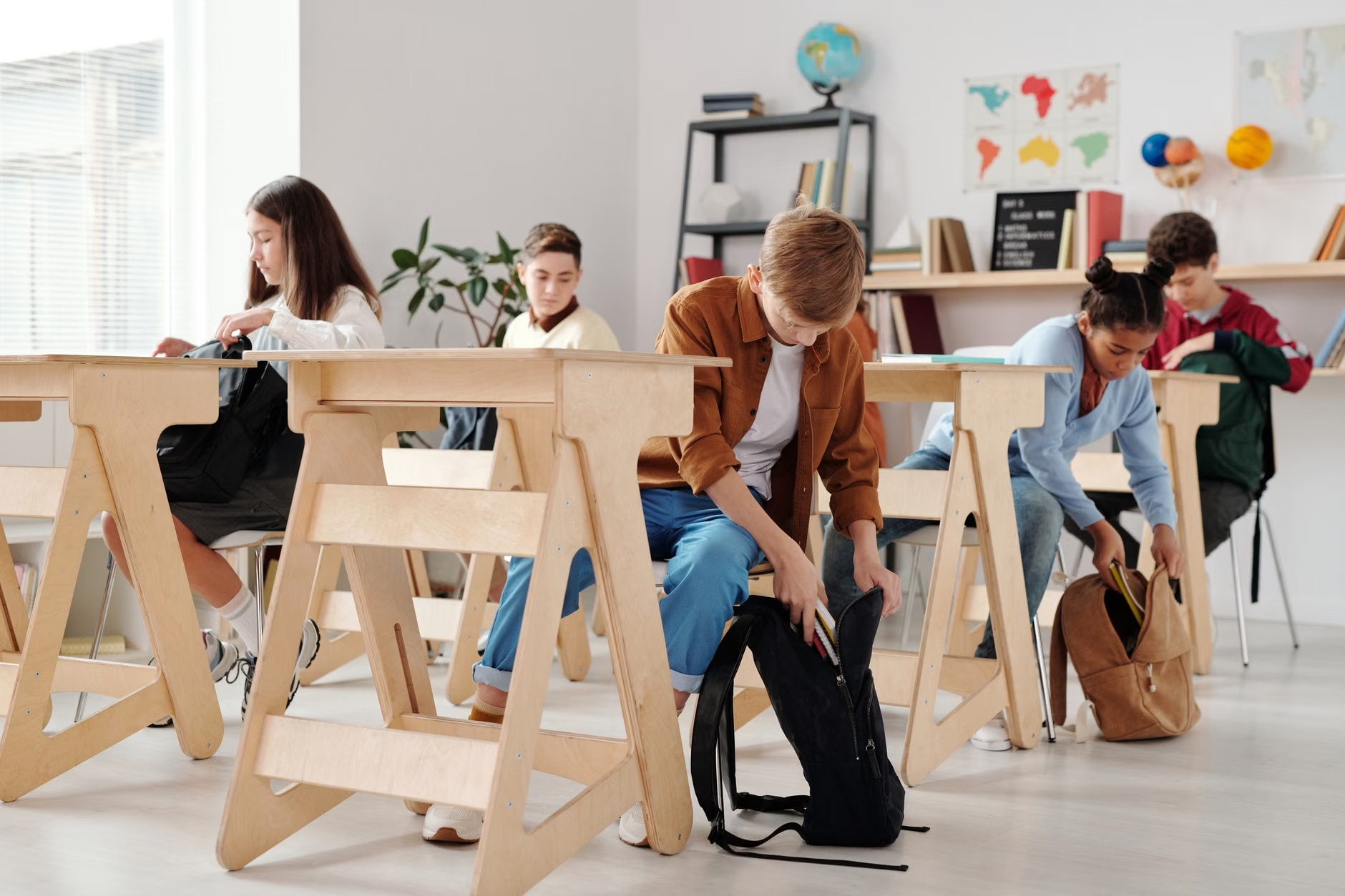
Independence is not the opposite of attachment; it is the fruit of it. When a child knows you have their back, they become more interested in doing things for themselves. This is where you can start to lean into the practical side of the transition. Many children feel anxious about kindergarten because they worry about basic tasks: opening their lunchbox, going to the bathroom, or putting on their coat.
These are not just chores; they are tools for confidence. Spend time in the weeks before school practicing these skills in a low-pressure environment. Make it a game. Can they open their juice box? Can they zip their backpack? Can they put on their shoes? When a child knows they can handle these basic physical tasks, their anxiety levels drop significantly. It gives them a sense of agency in a room where they have very little control.
The Role of “Transition Objects”
There is often a debate about whether to let a child bring a comfort object to school. Some schools have strict policies, but if yours allows it, consider a small, discreet item. It doesn’t have to be a large stuffed animal. A small stone from your garden, a photo of the family, or a piece of fabric that smells like home can act as a physical reminder of the secure base. When the child feels overwhelmed, they can touch the object and be reminded that they are connected to you, even when you aren’t in the room.
If the school doesn’t allow toys, try a “love note” in their lunchbox. It’s a way of saying “I am with you” without requiring the child to carry an extra item. This isn’t about dependency; it’s about providing a safety net that allows them to take the leap into independence.
Managing Your Own Emotions
It’s impossible to talk about the transition without talking about the parent. Let’s be honest: your child starting kindergarten is a massive milestone for you, too. It marks the end of the “toddler” phase and the beginning of a more autonomous chapter. You might feel a sense of loss, relief, anxiety, or pride. All of these are normal.
However, your child is an expert at reading your non-verbal cues. If you are anxious, they will be anxious. If you feel guilty about them being away, they will perceive the school as a place that causes you pain. To support them, you need to manage your own emotional state. Find an outlet for your feelings—talk to a partner, a friend, or write it down. Do not use your child as your emotional sounding board for your anxieties about them growing up.
The “Decision Rule” for Parent Involvement
A common mistake is trying to stay involved in the classroom to “help” the child adjust. While some schools encourage this, many find that a parent’s presence can actually hinder the child from forming a bond with the teacher. Use this decision rule: If your presence is helping the child engage with the environment, stay. If your presence is becoming the “destination” (where the child stays glued to you rather than exploring), it is time to step back.
Trust the teachers. They are professionals who see this transition every single year. If you have concerns, communicate them to the teacher directly rather than hovering. A strong, respectful partnership between you and the teacher is another layer of security for your child. When they see you trusting their teacher, they will learn to trust them, too.
The Long-Term View: From Kindergarten to Resilience
The goal of this transition isn’t just to get through the first day of school without tears. The goal is to build a child who understands that they can handle hard things. When you prioritize attachment, you aren’t just managing a school start; you are teaching your child a fundamental lesson about the world: that they are capable, they are loved, and they have a home to return to.
As you move through the first few months, keep the lines of communication open. Ask open-ended questions that don’t put pressure on them. Instead of “Did you have a good day?” (which is a yes/no question), try “What was the most interesting thing that happened at recess today?” or “Who did you sit next to at lunch?” This helps them process their experiences in a way that feels like a conversation, not an interrogation.
Remember that the transition to kindergarten is not a single day; it is a season. It might take weeks or even months for your child to fully settle in. There will be good days and bad days. That is not a failure; that is life. Your role is to remain the steady, calm, and loving presence that allows them to navigate these ups and downs. You are their secure base, and that is exactly what they need to thrive.
Addressing Common Concerns
Parents often worry about the “what ifs.” What if they don’t make friends? What if the teacher is too strict? What if they are falling behind? These are all valid concerns, but they are often amplified by our own fears. The best way to handle these is to focus on what is within your control: the environment you create at home and the confidence you project to your child.
If your child is having a genuinely difficult time—not just the normal adjustment, but a persistent, intense distress that doesn’t seem to improve after a month or two—that is the time to reach out to the school counselor or a pediatrician. But for most children, the attachment-first approach is enough to help them find their footing. Be patient, be present, and trust the process.
Frequently Asked Questions
Should I stay with my child in the classroom if they are crying at drop-off?
Generally, no. Lingering often prolongs the distress. If the school policy allows it, a brief, calm goodbye is best. If your child is persistently inconsolable, work with the teacher to create a “hand-off” plan where the teacher takes over, allowing you to leave. The teacher is trained to distract and soothe, and they can often help the child settle much faster than a parent who is clearly distressed themselves.
What if my child doesn’t want to talk about their day at school?
Many children are “tapped out” by the end of the day. They have spent all their cognitive energy at school and have nothing left for conversation. Don’t force it. Instead, focus on connecting through activities—playing a game, going for a walk, or simply reading a book together. The connection is more important than the information. They will share when they are ready.
How do I know if the school is a good fit for my child’s attachment needs?
Look for a school that values play-based learning and has a teacher-to-student ratio that allows for individualized attention. Observe how the teachers interact with the children during your tour. Do they get down to the child’s eye level? Do they acknowledge the children’s feelings? A school that prioritizes emotional safety will naturally support an attachment-first transition.
For further reading on child development and transition strategies, you can visit the following resources:
- Zero to Three: Resources on early childhood development and attachment.
- National Association for the Education of Young Children (NAEYC): Guidelines for developmentally appropriate practice.
Note: This guide is based on current developmental psychology principles regarding secure attachment. Every child is unique, and if you have concerns regarding your child’s specific developmental needs, always consult with your pediatrician or a qualified child development specialist.