- The Global Plastic Treaty aims to legally bind nations to reduce plastic production, which will eventually shift the burden of waste management from households back to manufacturers.
- Your kitchen is the primary source of single-use plastic waste; the treaty will likely accelerate the transition toward “refillable” grocery models and standardized packaging laws.
- You don’t need to wait for policy changes to save money; moving toward bulk buying and glass storage now hedges against the rising costs of plastic-taxed goods.
If you have spent any time recently trying to unpack a “family-sized” grocery haul, you have likely felt the familiar frustration of the plastic mountain. You peel off the shrink-wrap from the cucumbers, toss the yogurt pots into the recycling bin, and realize that half of your kitchen trash is just packaging that you never actually wanted. The United Nations is currently working on what is being called the “Global Plastic Treaty,” and while it sounds like a lofty diplomatic affair, it is eventually going to change the way you shop, store, and dispose of food at home.
Why a Global Treaty Matters for Your Kitchen
The Global Plastic Treaty (officially the Intergovernmental Negotiating Committee on Plastic Pollution) is essentially an attempt to create a legally binding international instrument to end plastic pollution. For those of us in our 30s and 40s, who are often the primary household managers, this treaty is not just about environmental policy—it is about the future of the supply chain. Currently, the “polluter pays” principle is being pushed to the forefront, meaning the companies that produce the plastic packaging for your pasta, snacks, and detergents will be held financially responsible for its end-of-life disposal.
Why does this matter to you? Because when producers are taxed for the plastic they create, they change their packaging design to avoid those costs. We are already seeing the early stages of this in countries with strict plastic bans, where retailers are shifting toward paper, compostable materials, or, more importantly, bulk-refill stations. The treaty aims to scale these regional efforts to a global standard, meaning the plastic-wrapped convenience we have grown used to is likely to become more expensive or be phased out entirely.
The Shift from Recycling to Circularity
For years, we have been told that recycling is the solution. However, we now know that only a small percentage of plastic is actually recycled effectively. The Global Plastic Treaty is shifting the focus from “recycling” to “circularity.” In a circular economy, the goal is to keep materials in use for as long as possible. In your kitchen, this looks like a move away from single-use plastics and toward durable, reusable systems.
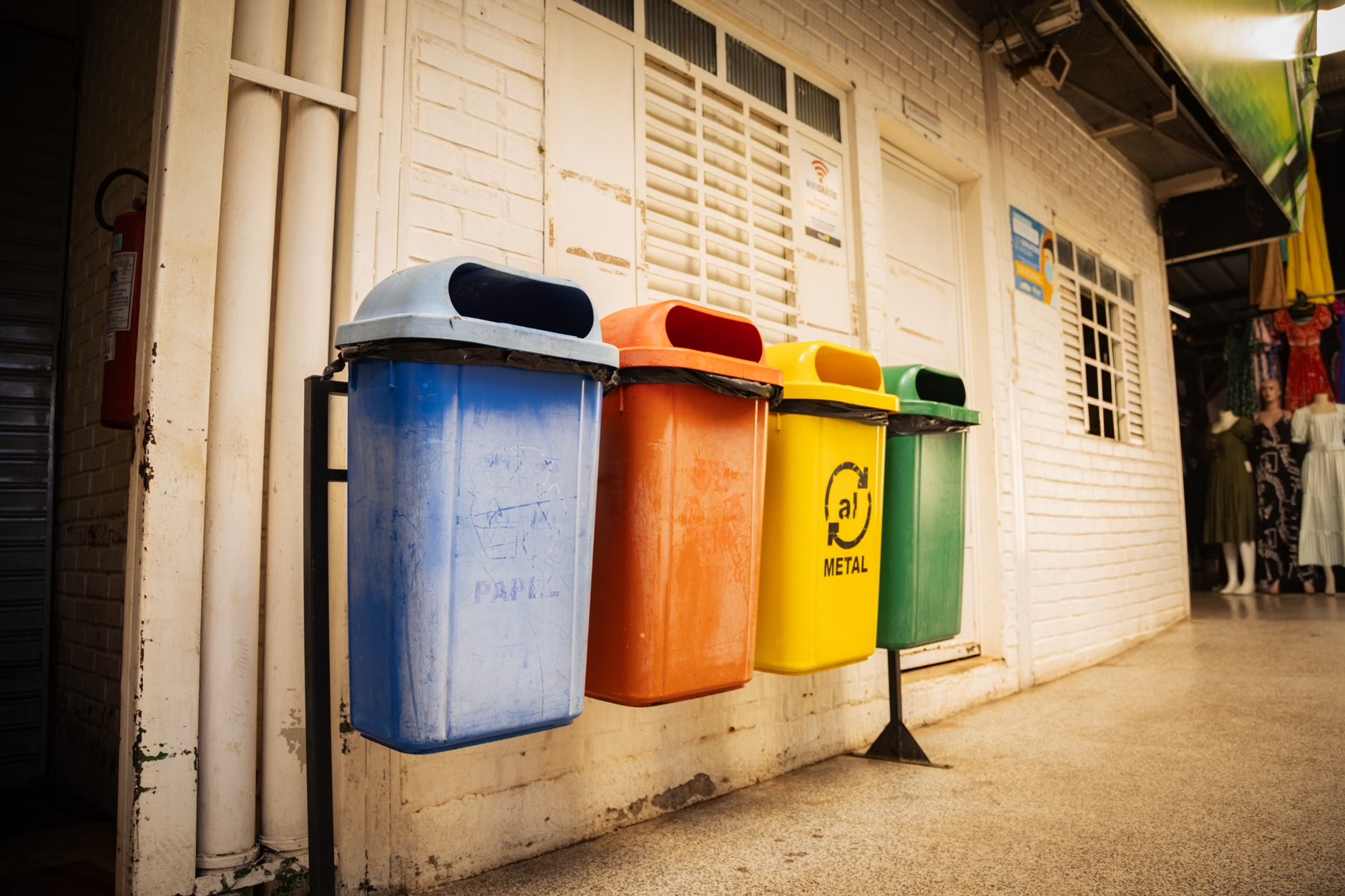
If you are looking to get ahead of these upcoming changes, start by auditing your kitchen waste. Categorize your plastic waste into three buckets: essential, avoidable, and replaceable. Most of our kitchen plastic is “avoidable”—like pre-cut vegetables or individually wrapped snacks. As international regulations tighten, these items will likely see price hikes as companies pass on the costs of “extended producer responsibility” (EPR) fees to the consumer.
Practical Steps for a Plastic-Reduced Kitchen
Transitioning your kitchen does not have to happen overnight. In fact, doing it too fast often leads to buying expensive, unnecessary “green” gadgets that just add to the clutter. Instead, follow a phased approach based on the reality of your household schedule.
| Category | Common Plastic Source | Actionable Replacement |
|---|---|---|
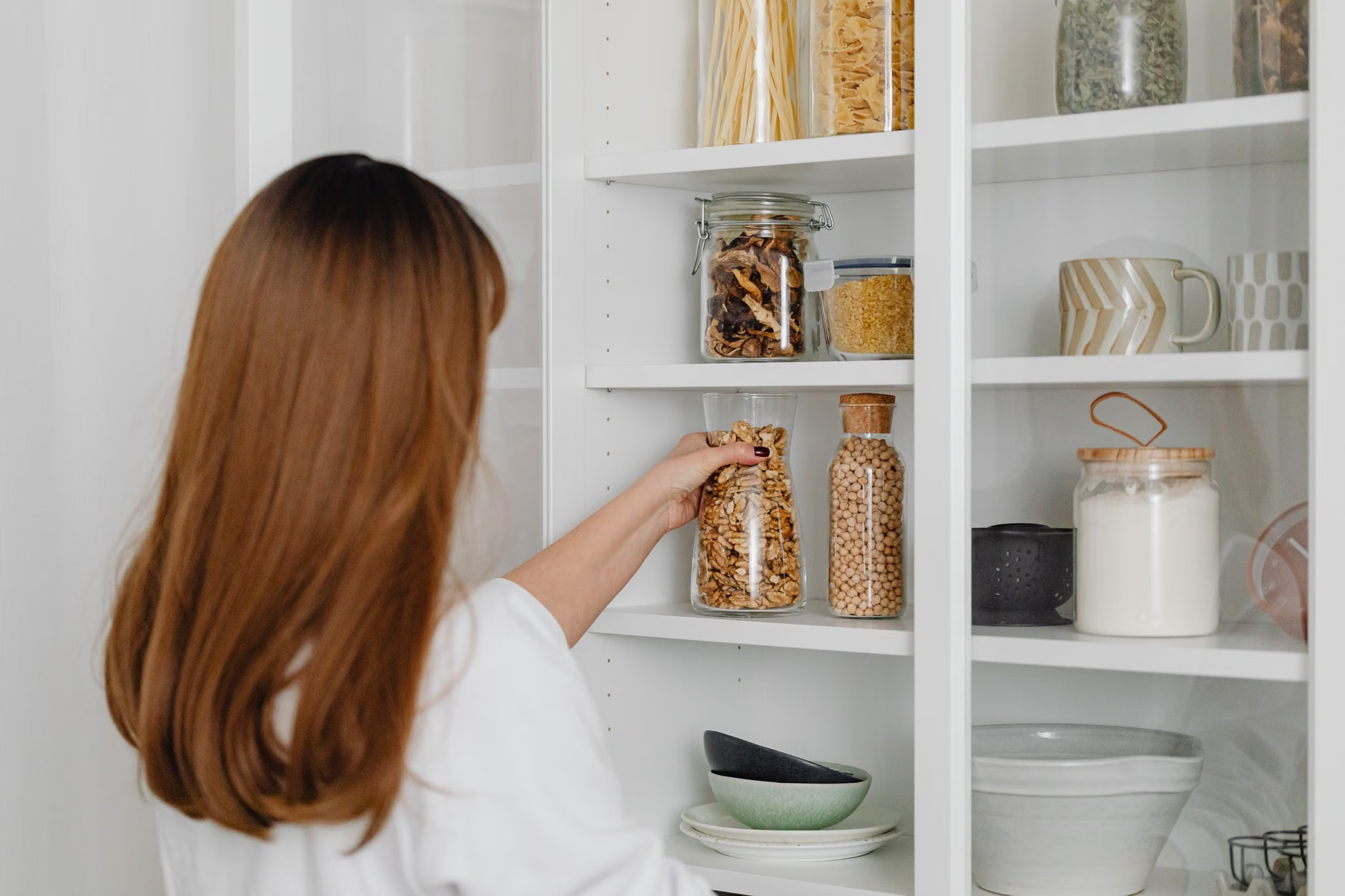
| Dry Goods | Plastic bags for rice, pasta, lentils | Bulk bins with glass jars |
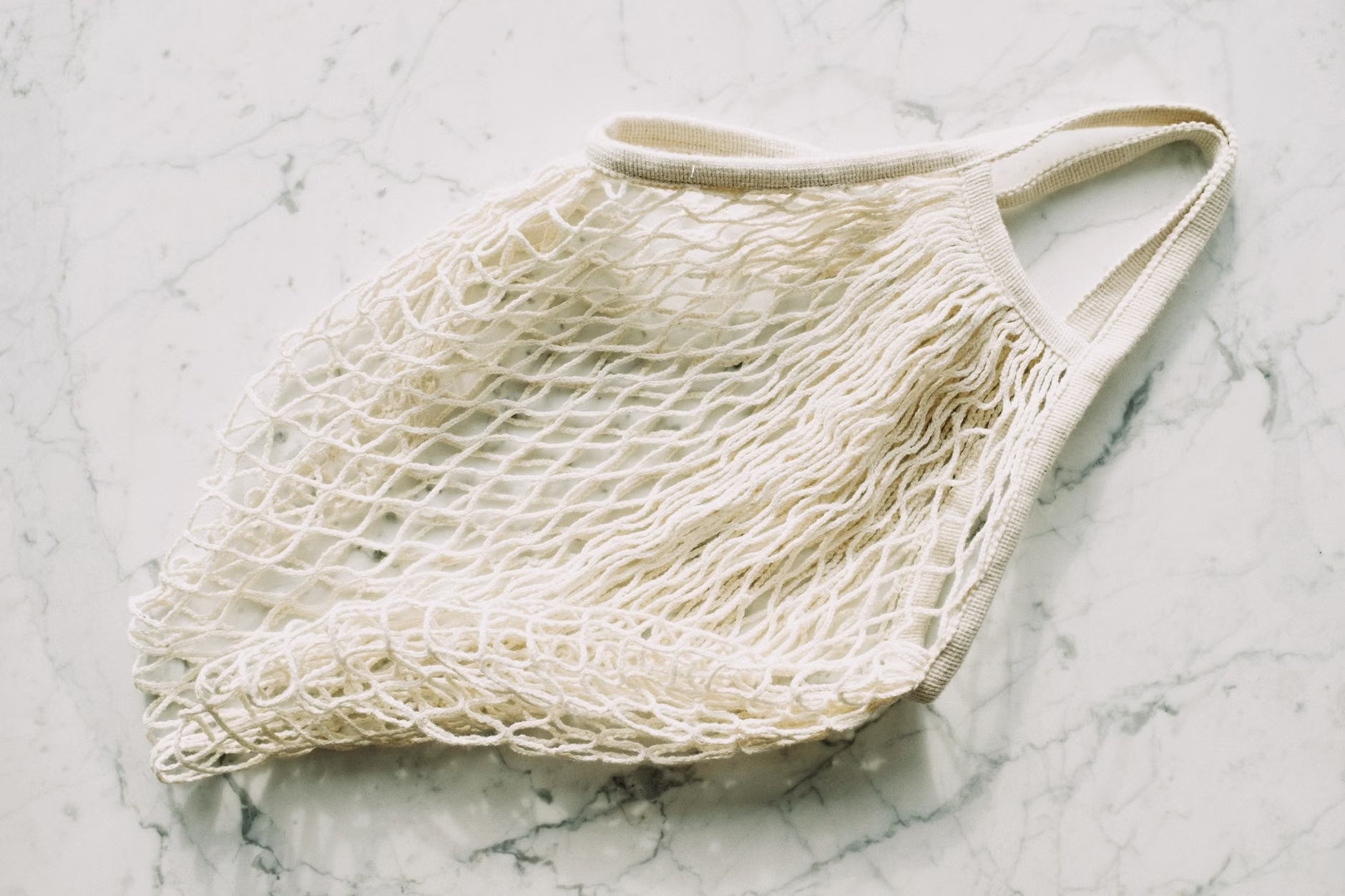
| Produce | Thin plastic produce bags | Reusable mesh or cotton bags |
| Leftovers | Cling film (plastic wrap) | Beeswax wraps or silicone covers |
The key here is consistency. If you buy bulk, you save money in the long run, but you need the storage infrastructure to handle it. If your pantry is filled with mismatched plastic bags, you will eventually return to the convenience of pre-packaged goods. Investing in a set of uniform glass jars isn’t just an aesthetic choice; it’s a functional strategy to make bulk-buying easier to manage for a busy parent.
The Hidden Costs of “Green” Alternatives
One of the most common mistakes people make when trying to reduce plastic is falling for “bioplastics” or “compostable” labels without checking the requirements. Many bioplastics require industrial composting facilities to actually break down. If you throw them into your backyard compost bin or, worse, your regular trash, they will sit in a landfill just as long as traditional plastic. The Global Plastic Treaty is expected to address these labeling loopholes, but for now, rely on durable reuse over single-use compostables.
Another overlooked variable is the “hidden plastic” in your cleaning supplies. Many household detergents come in heavy plastic jugs that are mostly water. As regulations tighten on plastic production, look for concentrated cleaning tabs or refillable glass systems. Not only do these reduce plastic, but they also save significant cabinet space, which is a premium asset in most family homes.
How to Manage the Transition with Kids
If you are a parent, the biggest hurdle to reducing plastic is usually the “convenience factor” of kids’ snacks. It is easy to grab a plastic-wrapped granola bar on the way to soccer practice. To manage this without losing your mind, focus on “de-packaging” on Sunday nights. Spend 20 minutes taking snacks out of their individual plastic wrappers and putting them into reusable containers or snack bags. It sounds like an extra chore, but it prevents the “plastic creep” that happens throughout the week when you are rushing.
Talk to your children about why you are doing this. When they understand that the treaty is about protecting oceans and reducing waste, it becomes a family project rather than a chore. My advice? Start with one area. Don’t try to change your entire kitchen in a weekend. Start with the pantry, then move to the fridge, and finally the cleaning cupboard.
Preparing for the Policy Shift
As the Global Plastic Treaty negotiations finalize, expect to see “Extended Producer Responsibility” (EPR) reflected in your grocery receipts. Essentially, companies will be forced to pay for the waste their products create. This will lead to higher prices for goods with excessive or non-recyclable packaging. The best way to hedge against this inflation is to build a habit of shopping at stores that offer bulk options or zero-waste alternatives now.
If you live in a region that hasn’t implemented these laws yet, consider yourself in a “grace period.” Use this time to establish your systems. Find your local bulk stores, identify which brands offer refillable programs, and get comfortable with the logistics of bringing your own containers. When the legislative hammer drops, you won’t be scrambling to change your habits; you will already be ahead of the curve.
Frequently Asked Questions
Does the Global Plastic Treaty mean all plastic will be banned?
No. The treaty focuses on ending “problematic and avoidable” plastic, particularly single-use items. Essential plastics, such as those used in medical equipment or high-durability electronics, will remain, but the treaty aims to ensure these are designed for circularity, meaning they are easier to repair, reuse, or recycle.
Will my grocery bill increase because of these regulations?
There may be short-term price increases as manufacturers pass on the costs of switching to sustainable materials. However, the long-term goal is to reduce waste-management costs for municipalities, which are currently funded by taxpayer money. By shifting to bulk-buying and reducing your reliance on pre-packaged goods, you can actually offset these potential price hikes.
How do I know if a “compostable” bag is actually good for the environment?
Check for certification labels like “TUV Austria OK compost HOME.” If a product only says “industrial compostable,” it likely won’t break down in your home compost heap. When in doubt, prefer reusable items made of glass, metal, or natural fibers over any form of “disposable” plastic, even if it is labeled as eco-friendly.
Final Thoughts
The Global Plastic Treaty is a significant step toward a cleaner future, but the reality is that the most immediate changes will happen in your own kitchen. By focusing on reducing single-use items, adopting bulk-buying habits, and prioritizing durable materials, you aren’t just following a trend—you are building a more resilient and efficient household. Start small, stay consistent, and remember that every piece of plastic you choose not to bring into your home is a victory for your family’s health and the planet’s future.
For more information on the progress of the treaty, you can track the official updates from the United Nations Environment Programme (UNEP), which provides the most accurate and up-to-date documentation on the negotiations and regional impacts.