Key Takeaways
- Blue light suppression is real: Exposure to cool-toned light (above 4000K) after sunset inhibits melatonin production, making it harder for both you and your children to fall asleep.
- Automation is the key: Use “Adaptive Lighting” features or scheduled scenes to shift your home’s color temperature from cool white in the morning to warm amber in the evening automatically.
- Brightness matters as much as color: Reducing light intensity to below 50% in the final two hours before bed is often more effective than color shifting alone for signaling the body to rest.
If you are in your 30s or 40s, you know the struggle: you finally get the kids to sleep, the house goes quiet, and you have exactly two hours of “me time” left before you have to pass out to survive the next morning. But instead of feeling tired, your brain feels like it’s just hit peak productivity. You’re scrolling through your phone, catching up on emails, or watching a show, and suddenly it’s midnight.
You aren’t just procrastinating on sleep; you are likely fighting your biology. Our bodies are hardwired to respond to light. For thousands of years, we lived by the sun. Now, we live by LEDs. The problem isn’t the light itself, but the timing. By using smart lighting to mimic the natural progression of the sun, you can nudge your circadian rhythm—your internal 24-hour clock—back into alignment without needing to overhaul your entire lifestyle.
Understanding the Science of Light and Your Internal Clock
Your circadian rhythm is governed primarily by the suprachiasmatic nucleus (SCN), a tiny region in your brain that acts as a master clock. It takes cues from the environment—mostly light—to tell your body when to release cortisol (to wake you up) and when to release melatonin (to prepare you for sleep). In the modern home, we often get this wrong.
During the day, you want “cool” light—think bright, crisp white light that mimics the midday sun. This suppresses melatonin and keeps you alert. However, as the sun begins to set, your brain expects the light to shift toward warmer, amber tones. When you blast your living room with high-intensity, blue-rich LED light at 9:00 PM, your brain interprets this as “noon.” It stops producing melatonin, and your sleep onset is delayed.
For parents, this is a double-edged sword. If your child’s bedroom is lit with bright, cool-toned overhead lights while you’re doing the bedtime routine, you are inadvertently signaling their brain to stay awake. This is why “winding down” often feels like a battle. You are trying to calm them down while your lighting system is screaming at their biology to stay alert.
The Kelvin Scale: Your New Best Friend
To master smart lighting, you need to understand the Kelvin (K) scale. It measures the color temperature of light. Many smart bulbs allow you to adjust this range, typically from 2000K to 6500K.
| Color Temperature | Best Use Case | Biological Effect |
|---|---|---|
| 5000K – 6500K | Task lighting, home office, morning prep | Boosts alertness and focus |
| 3000K – 4000K | General living spaces, kitchens | Neutral, natural daylight feel |
| 2000K – 2700K | Bedrooms, living room, pre-sleep | Promotes relaxation and melatonin |
The goal is to shift your home’s lighting from the top row to the bottom row as the day progresses. You don’t need to do this manually every day. Modern smart home ecosystems like Philips Hue, Nanoleaf, or even budget-friendly options like Wyze and Govee, have built-in “Adaptive Lighting” or “Circadian” modes that do the heavy lifting for you.
Setting Up Your First Circadian Schedule
If you are ready to automate, don’t try to change every single bulb in the house at once. Start where it matters most: the bedroom and the living room. These are the spaces where you spend the most time during the transition from “active” to “rest.”
Step 1: Inventory Your Current Setup
Check if your existing smart bulbs support color temperature adjustment (often labeled as “Tunable White” or “Color”). If you have simple “on/off” smart plugs or fixed-temperature bulbs, they won’t help with circadian scheduling. You need bulbs that can physically shift from cool to warm.
Step 2: Define Your “Sunset” Time
Don’t set your schedule based on an arbitrary clock time. Use the “Sunrise/Sunset” automation feature available in most smart home apps (Apple Home, Google Home, Alexa). This ensures your lighting changes in sync with the actual season. If you set a fixed time, you’ll find yourself with warm, dim lights at 5:00 PM in the summer when you still need to be productive, or bright lights at 9:00 PM in the winter when you should be relaxing.
Step 3: The “Dimming” Rule
Color temperature is only half the battle. Brightness is the other. Even a warm-toned light can be disruptive if it’s at 100% intensity. A good rule of thumb is to implement a “Dimming Slope.”
- 2 hours before bed: Drop brightness to 70%, shift color to 3000K.
- 1 hour before bed: Drop brightness to 40%, shift color to 2500K.
- 30 minutes before bed: Drop brightness to 10-20%, shift color to 2000K (amber/candlelight).
Common Mistakes That Sabotage Your Sleep
Even with the best technology, it is easy to undo your progress. Here are the traps I see most often in households trying to implement smart lighting.
The “Overhead Trap”
Most of us have central overhead lights that are incredibly bright. If you only have one smart bulb in the room, and it’s in a central ceiling fixture, you are still going to have “hot spots” of high-intensity light. Smart lighting works best when you have multiple, lower-intensity light sources—lamps, floor lights, and under-cabinet lighting—rather than one giant “sun” on your ceiling.
The “Phone Screen” Paradox
You can have the best smart lighting in the world, but if you are staring at a high-brightness smartphone screen at 11:00 PM, you are still blasting your eyes with blue light. Most smartphones have “Night Shift” or “Eye Comfort Shield” modes—make sure these are enabled and set to turn on automatically at sunset. Treat your phone screen as just another light source that needs to follow your circadian schedule.
The “Manual Override” Habit
We often get frustrated when the lights dim automatically while we are trying to finish a chore. The natural reaction is to reach for the wall switch or the app and turn them back to 100%. This breaks the habit. If you find yourself constantly overriding the schedule, it means your schedule is too aggressive. Soften the transition. It’s better to have a 50% brightness “relaxing” mode than to have the lights turn off entirely or stay at 100%.
Advanced Tips for Parents: The Bedtime Routine
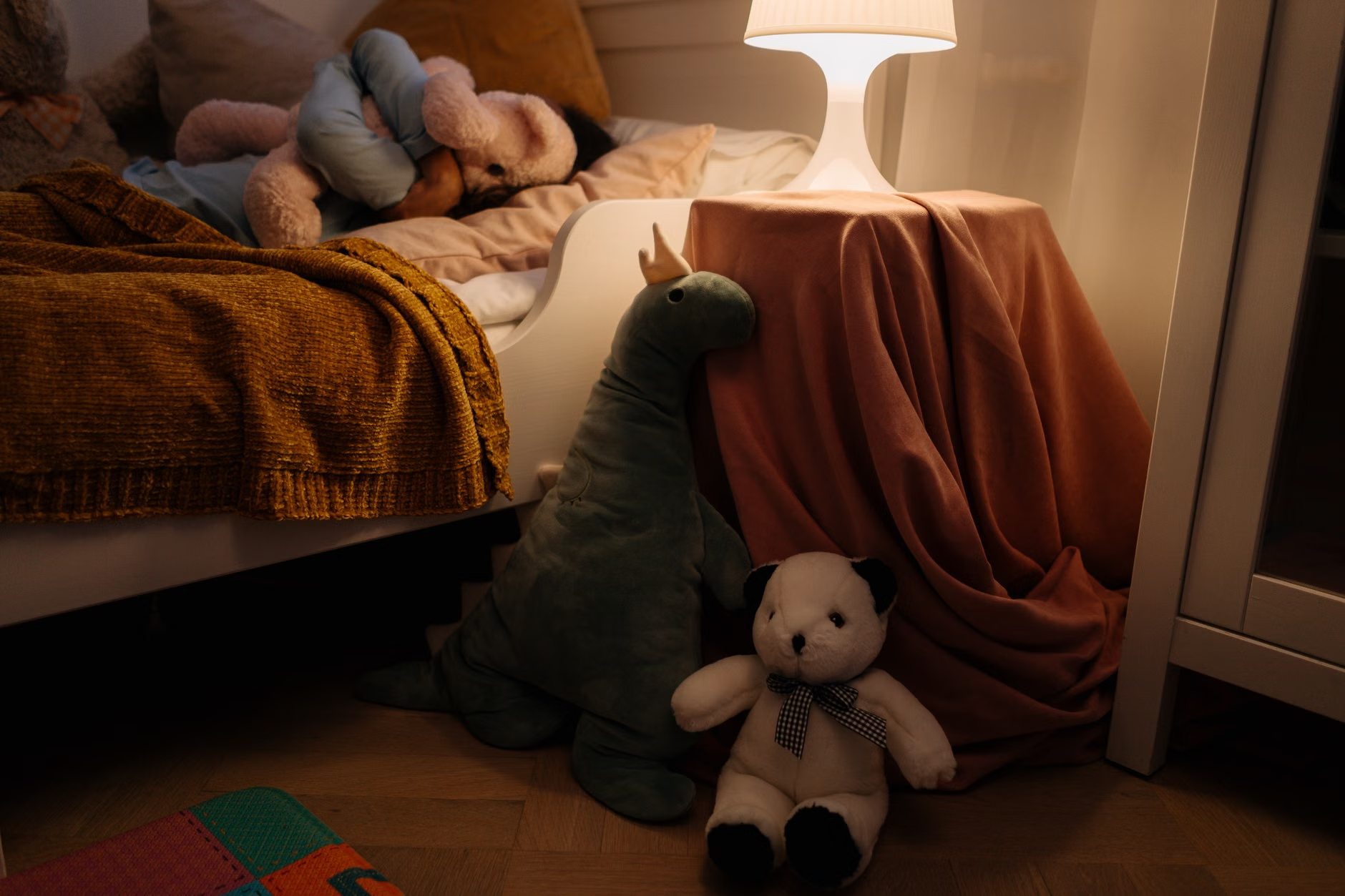
If you have young children, smart lighting is a game changer for the bedtime routine. Instead of telling your kids it’s time to sleep, you can let the room do the talking. Program your child’s room to automatically transition to a soft, amber glow 30 minutes before the actual “lights out” time. This creates a visual cue that the “play” part of the day is over and the “quiet” part has begun.
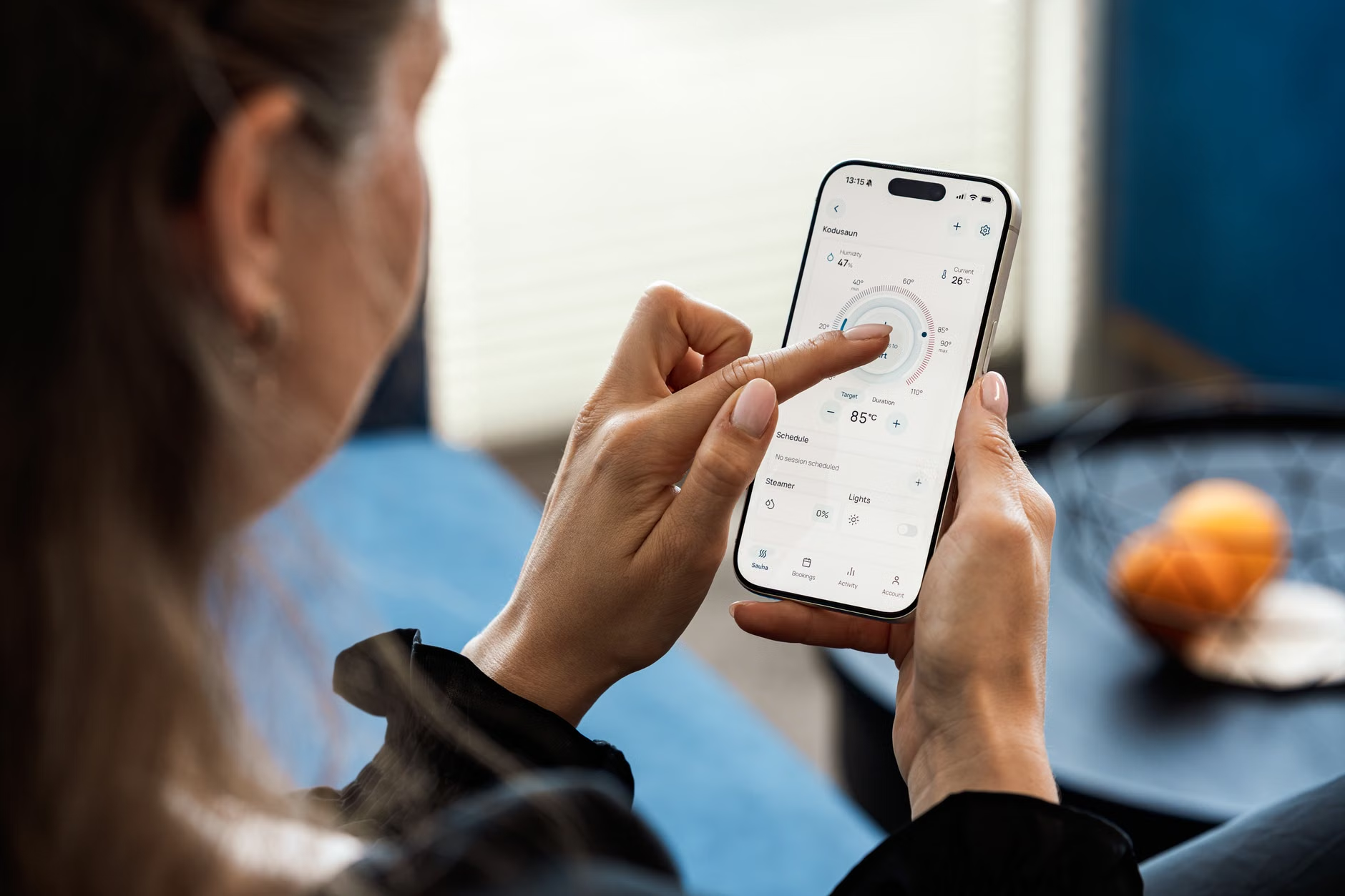
Another tip: Use “scene” buttons. Instead of fiddling with an app while holding a toddler, install a physical smart button (like the Philips Hue Button or Lutron Aurora) near the door. One press triggers a “Bedtime Scene” that turns off the main light, dims the lamp to 20%, and changes the color to a warm amber. It is seamless, quiet, and doesn’t involve looking at a screen.
Is This Worth the Cost?
I know what you’re thinking: “Do I really need to spend money on smart bulbs?” If you sleep like a rock and wake up feeling refreshed, probably not. But if you’re in your 30s or 40s, you’ve likely noticed that your sleep quality isn’t what it was in your 20s. We are under more stress, we have more responsibilities, and our bodies are less forgiving.
The cost of a few smart bulbs is negligible compared to the long-term health benefits of improved sleep. Sleep deprivation is linked to everything from weight gain to impaired decision-making. By fixing your lighting, you aren’t just buying gadgets; you’re investing in your ability to handle the next day with a bit more patience and clarity.
If you are on a budget, don’t buy a whole-home system. Start with two bulbs for your bedside lamps. That alone is enough to change your pre-sleep routine. If you like the results, you can expand to the living room or the kids’ rooms later.
Final Thoughts on Implementation
The goal of smart lighting isn’t to create a high-tech “smart home” that requires a degree in engineering to operate. It is to create a home that supports your biology rather than working against it. You want a home that knows when you need to be alert and when you need to wind down.
Start small. Don’t overcomplicate the automation settings. Set your lights to shift to 2700K or lower at sunset, dim them as the evening progresses, and keep them away from the bright, cool-white spectrum after 8:00 PM. Your brain will thank you, and you might just find that those two hours of “me time” actually result in you feeling rested instead of wired.
Be patient with the process. It takes about a week for your internal clock to fully adjust to a new lighting pattern. If you don’t feel a massive difference on night one, don’t give up. The cumulative effect of consistent, circadian-friendly light is what really makes the difference in your long-term sleep health.
Frequently Asked Questions
Q: Does “Night Mode” on my phone replace the need for smart bulbs?
A: Not entirely. While “Night Shift” or “Blue Light Filter” modes on phones and laptops are helpful for reducing eye strain and melatonin suppression from screens, they don’t change the ambient light in your room. If your ceiling lights are still bright and cool-toned, your brain will still register that as “daytime.” You need both screen-level adjustments and room-level lighting control for the best results.
Q: Can I use smart plugs instead of expensive color-changing bulbs?
A: Smart plugs are great for turning non-smart lamps on and off, but they cannot change the color temperature of the bulb itself. If you use a standard “daylight” bulb (often 5000K+) with a smart plug, you will still be exposed to blue-rich light even when dimmed. For true circadian scheduling, you need bulbs that are specifically marketed as “Tunable White” or “Color” so you can move down to that 2000K-2700K range.
Q: I live in an apartment where I can’t change the main fixtures. What should I do?
A: You don’t need to touch your ceiling fixtures. In fact, most people find that focusing on floor lamps and table lamps is more effective anyway. These lamps are closer to your eye level and create a more intimate, relaxing atmosphere. Simply swap the bulbs in your existing lamps for smart bulbs and leave your ceiling lights turned off during the evening hours.
For more information on the effects of light on circadian rhythms, you can refer to the Sleep Foundation’s guide on light and sleep.