The most effective way to reclaim your sanity while traveling in 2027 is to stop treating the journey as a hurdle to be cleared and start treating it as the destination itself. By shifting your mindset toward “Slow-Adventure” rail travel, you trade the frantic stress of airport security lines and cramped budget airline seats for a controlled, predictable, and genuinely restorative experience that actually allows you to engage with your family.
- Predictability over Speed: Rail travel in 2027 offers more consistent arrival times and far fewer “bottleneck” delays than short-haul aviation, making it the superior choice for parents with strict schedules.
- The “Work-Play” Balance: Modern long-distance trains now feature dedicated quiet zones and stable high-speed Wi-Fi, allowing you to catch up on work while your children remain occupied in a safe, walkable environment.
- Cost Optimization: While rail tickets can appear higher upfront, they eliminate the “hidden” costs of air travel: expensive airport transfers, checked baggage fees, and the high price of airport terminal food.
Why the “Slow-Adventure” Movement is Resonating in 2027
If you are in your 30s or 40s, you likely remember the days when travel was about “getting there as fast as possible.” However, the landscape of 2027 has shifted. With rising fuel surcharges and the increasing unreliability of regional air networks, the “Slow-Adventure” rail movement has moved from a niche hobby to a mainstream necessity for families and professionals alike.
Slow-adventure isn’t about being lazy; it’s about strategic efficiency. When you fly, you are at the mercy of air traffic control, weather-related ground stops, and the relentless stress of boarding groups. When you choose a rail itinerary, you are choosing a system where the “boarding” process is minutes, not hours. For a parent, this is the difference between a child having a meltdown at a security gate and a child simply walking down the aisle to find their seat.
The real-life impact of this shift is measurable. Consider the “Total Transit Time” metric. A flight from London to Paris might be listed as 1 hour and 15 minutes, but when you factor in the 2-hour pre-flight arrival, the 45-minute commute to the airport, and the 45-minute exit time, you are looking at 4.5 hours of high-stress activity. A train journey between city centers takes roughly 2.5 hours, all of which is spent in a seat with legroom, power outlets, and the ability to move around. In 2027, the train wins on both comfort and actual time saved.
Strategic Planning: The 2027 Rail Infrastructure
Planning a rail trip in 2027 requires a different set of skills than booking a flight. You aren’t just looking for the lowest fare; you are looking for the right “product.” Not all trains are created equal. Some are designed for high-speed transit between major capitals, while others are designed for the “adventure” aspect—scenic, slower routes that offer more space and better dining experiences.
To plan effectively, you must understand the difference between “High-Speed Rail” (HSR) and “Intercity/Regional” services. HSR is your tool for getting from A to B efficiently. Intercity services are your tools for the “adventure” part of the trip. The most successful travelers in 2027 use a hybrid approach: they take HSR for the long, boring legs of the journey and switch to regional rail to explore smaller towns or scenic routes.
One common mistake is trying to book everything through a single third-party aggregator. While these sites are convenient, they often hide the “hidden costs” of seat reservations or fail to show you the best-value multi-day passes. Instead, go directly to the national rail operator’s portal. For example, if you are traveling in Europe, use the specific operator’s site (like SNCF or Deutsche Bahn) to ensure you have full control over your seat selection, which is vital for families who need table seats or proximity to the luggage areas.
The Decision Matrix: Choosing Your Rail Class
In 2027, most major rail networks offer three distinct tiers of service. Choosing the right one depends on your budget and your need for personal space during the trip.
| Class | Best For | Key Benefit |
|---|---|---|
| Standard | Budget-conscious families | Maximum savings, basic comfort |
| Comfort/Premium | Working parents | Extra legroom, power, quiet |
| Business/First | Long journeys (6+ hrs) | Lounge access, included meals |
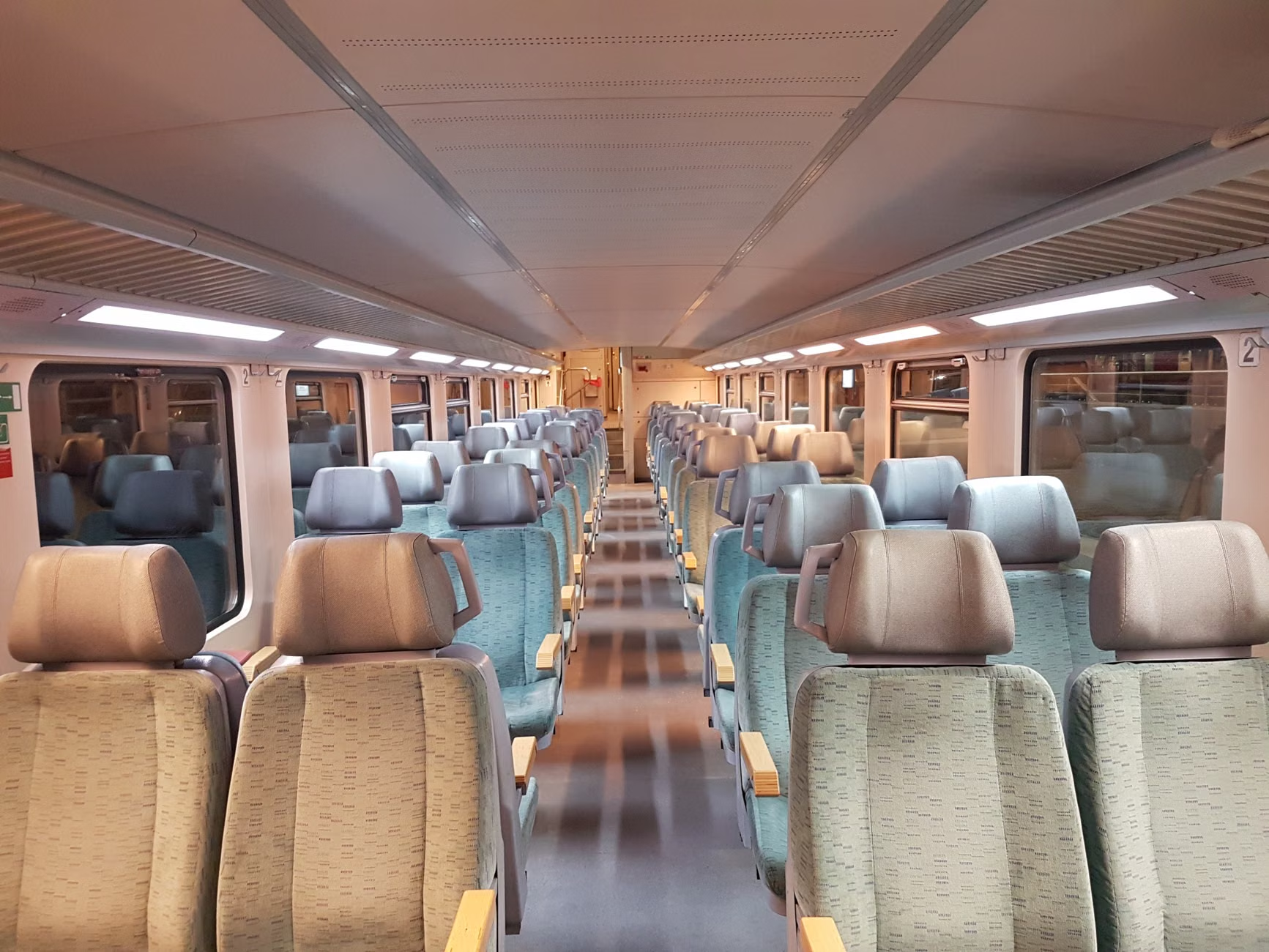
If you are traveling with children, the “Comfort” class is often the “sweet spot.” You get the extra space needed for bags and tablets, but you aren’t paying the premium for the “Business” class, which is often geared toward solo travelers who want absolute silence. Always prioritize the “Table Seat” configuration if you are traveling as a family of three or four; it allows for card games, coloring, or schoolwork, turning the travel time into quality time.
The Hidden Costs and Benefits of Modern Rail
When you compare the price of a train ticket to a budget airline ticket, you must account for the “total cost of ownership.” Budget airlines make their money on the margins: the bag you checked, the seat selection fee, the bottle of water you bought at the gate, and the $60 taxi ride from the airport into the city center.
Rail travel, by contrast, is almost always city-center to city-center. You save the airport transfer cost entirely. Furthermore, most rail companies allow you to bring your own food and drinks, and they don’t charge for the first two bags you bring on board. When you run the numbers for a family of four, the “expensive” train ticket is frequently cheaper than the “cheap” flight once you add up the extras.
However, there is a hidden variable: The Last-Mile Problem. While train stations are central, your hotel might be a 20-minute walk or a short transit ride away. In 2027, the best rail travelers use “mobility-as-a-service” apps. Before you arrive, check the local transit app for the city you are visiting. In many modern cities, your train ticket might even include a “city pass” for local buses and subways for the day of your arrival.
The “Slow” part of the adventure is not just about the train speed; it’s about how you organize your trip. A common mistake is trying to cram too many stops into a single rail pass. Rail travel is best enjoyed when you spend at least two nights in a location. This removes the “hotel-check-in-check-out” fatigue that plagues so many family vacations.
Step-by-step, here is how you should approach your itinerary:
- The Anchor Point: Choose one main city as your “base.” This is where you will spend the bulk of your time.
- The Rail Hub: From your base, identify day-trip locations that are within a 90-minute train ride. This allows you to explore without moving your luggage.
- The Slow Transition: When it is time to move to the next major region, book a morning train. Morning trains are statistically less likely to be delayed than evening trains, and they allow you to arrive at your next destination in time for lunch.
- The Luggage Rule: If you can’t carry it yourself, don’t bring it. Rail travel is wonderful, but it requires you to be mobile. Many stations have luggage lockers, but they are not always reliable or available. Packing light is the single greatest factor in a stress-free rail trip.
Another important aspect is the “connectivity” factor. While most trains offer Wi-Fi, it is often bandwidth-limited. If you have work to do, do not rely solely on the train’s Wi-Fi. Use a mobile hotspot with a local eSIM, which you can easily purchase via apps like Airalo or Holafly before you leave. This ensures you have a backup if the train’s signal drops in tunnels or rural areas.
Avoiding Common Pitfalls
Even with the best planning, things can go wrong. The biggest mistake is assuming that all train systems are integrated. They are not. If you are taking a train from France to Italy, you are likely dealing with two different national operators. If the first train is delayed and you miss your connection, the second operator is under no obligation to honor your ticket unless it was purchased as a single through-ticket.
Decision Rule: If you have a tight connection (less than 45 minutes), always book your tickets as a single journey through the primary operator’s website. If you must book separate tickets, give yourself at least a 2-hour buffer. This gives you time to navigate a new station, find the platform, and grab a snack without panic.
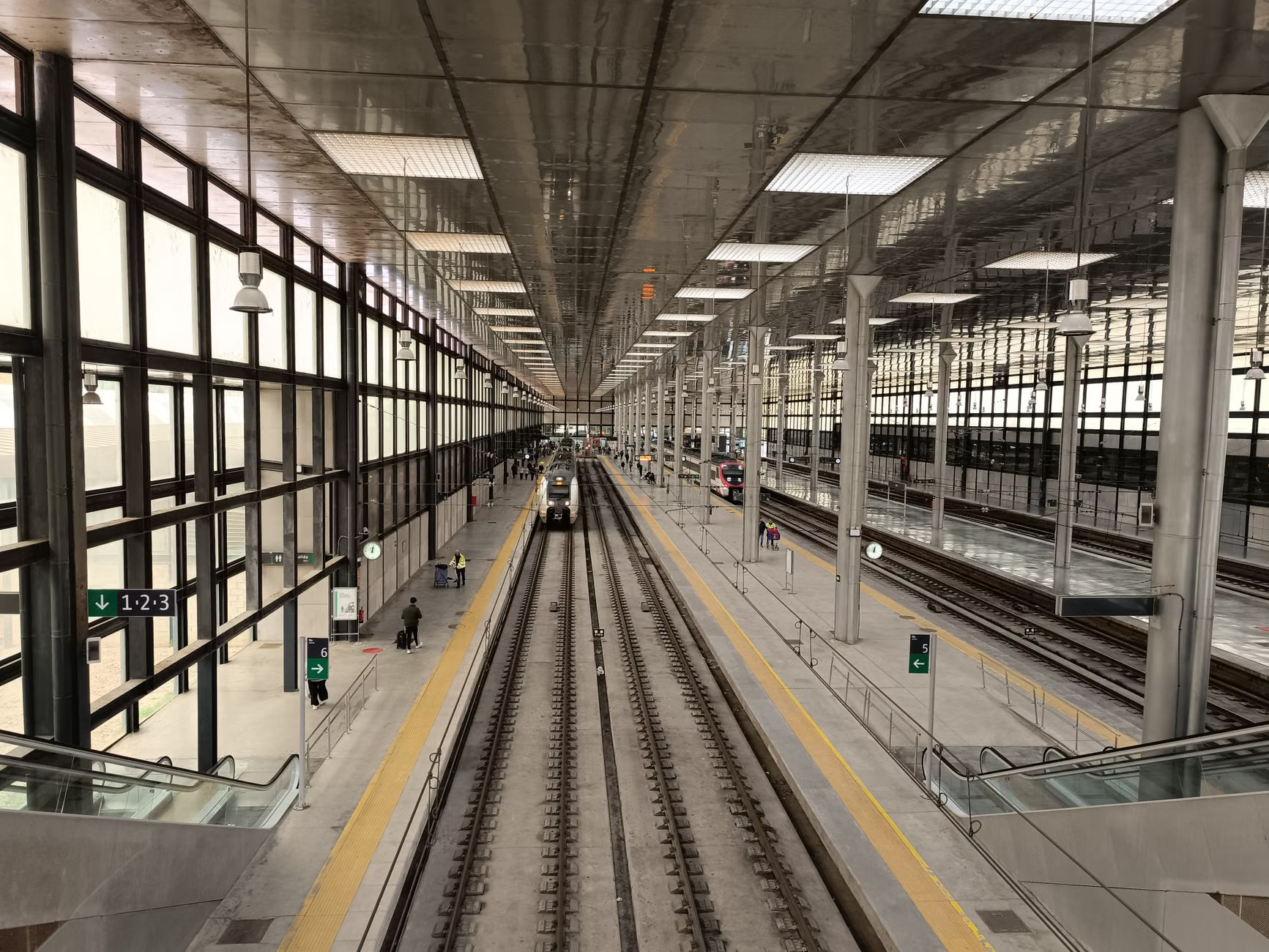
Another pitfall is the “platform surprise.” In some older, larger stations, the platform number might not be announced until 10 minutes before departure. Do not hover by the board in a state of high anxiety. Find a cafe or a seating area near the main concourse, keep an eye on the board, and stay calm. Everyone else is in the same boat; there is no need to rush to the platform the moment it appears.
The Psychological Shift: Why It Matters for Parents
For those of us in our 30s and 40s, we are often managing the “mental load” of the entire household. Travel often adds to this load rather than relieving it. The beauty of the 2027 rail trend is the forced pause. You cannot “drive” the train. You cannot “rush” the train. You are a passenger in the truest sense.
This forced pause is an opportunity. When you are on a train, you are physically removed from the pressures of the office and the chores at home. You have 3, 4, or 5 hours of “found time.” Use it. Read a book, play a game with your kids, or simply watch the landscape change. This is the “adventure” part—the realization that the journey is a part of your life, not just time spent waiting for your life to resume.
Furthermore, consider the environmental aspect, which is becoming increasingly important for many families. Rail travel emits significantly less carbon than flying. While this might not be the primary reason you choose a train, it is a significant “bonus” that can be a great conversation starter with children, helping them understand how travel choices impact the world they will inherit.
Final Recommendations for Your 2027 Itinerary
If you are ready to book your first “Slow-Adventure” rail trip, start small. Don’t plan a 14-day cross-continent marathon. Start with a 3-day, 2-night trip between two major cities that are connected by a direct, high-speed line. This allows you to test your packing strategy, your booking process, and your tolerance for the pace of rail travel without the risk of a major itinerary failure.
Remember that the goal is not to see everything. The goal is to return home feeling as though you actually had a break. If you come back from your trip feeling like you need another vacation to recover from the travel, you’ve missed the point. Prioritize the “slow” in “slow-adventure.” Spend an extra hour in a cafe, wander through a local park, and let the schedule be a guide rather than a dictator.
The infrastructure for rail travel in 2027 is the best it has ever been. With better apps, more reliable booking systems, and a growing recognition of the value of slow travel, there has never been a better time to step onto a platform, find your seat, and simply let the world go by.
Frequently Asked Questions
- How do I handle luggage on a train when I have kids?
Most modern trains have dedicated luggage racks at the end of each car and overhead storage for smaller bags. If you are traveling with a stroller, try to book a seat in a carriage that has a “wheelchair/stroller” space, which is typically wider and more accessible. Always aim to pack in a way that allows one adult to manage the bags while the other manages the children during the boarding process. - Are rail passes worth it for a single family trip?
Generally, no. Rail passes (like Eurail) are only cost-effective if you are planning on taking many long-distance journeys in a short period. For a typical family vacation involving 2-3 major train rides, point-to-point tickets are almost always cheaper and easier to manage. Use a fare comparison tool on the operator’s site to check “Saver” fares, which are significantly cheaper if booked 60-90 days in advance. - What happens if my train is delayed or cancelled?
European and many global rail operators have robust “Passenger Rights” regulations. If your train is delayed by more than 60 minutes, you are usually entitled to a partial or full refund. Always keep your digital ticket and check the operator’s app for real-time updates. If a delay causes you to miss a connection on a single through-ticket, the operator is required to rebook you on the next available train at no extra cost.
For further reading and to verify current schedules, visit the official sites of your destination’s rail operator, such as SNCF Connect for France or Deutsche Bahn for Germany. These portals provide the most accurate, up-to-the-minute information regarding routes, service alerts, and fare structures.