- Book Private Compartments: Always prioritize booking a private “couchette” or “sleeper” cabin for your family to ensure security and peace of mind during overnight travel.
- The 90-Day Rule: European night-train tickets, especially for popular routes like the Nightjet, usually go on sale 90 to 180 days in advance; booking early is the only way to secure family-sized cabins.
- Infrastructure Varies: Not all night trains offer en-suite bathrooms; check specific train operator details, as some require using shared facilities at the end of the carriage.
If you have ever spent six hours in a departure lounge with a toddler who has decided that “personal space” is a myth, you understand why the return of the European night-train network feels like a minor miracle. You aren’t just moving from point A to point B; you are essentially moving your hotel room across borders while you sleep. By the time you wake up, you are in a new country, the kids are rested, and you have avoided the soul-crushing logistics of airport security lines, liquid restrictions, and the dreaded “gate sprint.”
Why Night Trains Are Winning Over Modern Families
For parents in their 30s and 40s, the appeal of the night train is practical rather than romantic. It is about reclaiming time. When you fly, you lose a day to transit: packing, commuting to the airport, the mandatory two-hour wait, the flight itself, and then the commute to your final destination. When you take a sleeper train, you leave in the evening and arrive in the morning. You save the cost of one night’s hotel accommodation, and you arrive at a central railway station, often right in the heart of the city.
The “why” behind the resurgence is a mix of sustainability and convenience. As many European nations push for greener travel, rail infrastructure has seen significant investment. Operators like ÖBB (the Austrian Federal Railways) have pioneered the “Nightjet” brand, which has become the gold standard for cross-border night travel. For a family, this means reliable, clean, and increasingly modern carriages that cater specifically to groups.
However, it is not all smooth sailing. Night travel requires a shift in mindset. You are not just booking a seat; you are booking a living space for 8 to 12 hours. If you don’t plan for the nuances of cabin types, luggage, and timing, the “romantic” train ride can quickly become a cramped, sleepless night. The key to making this work is understanding the difference between a seat, a couchette, and a proper sleeper cabin.
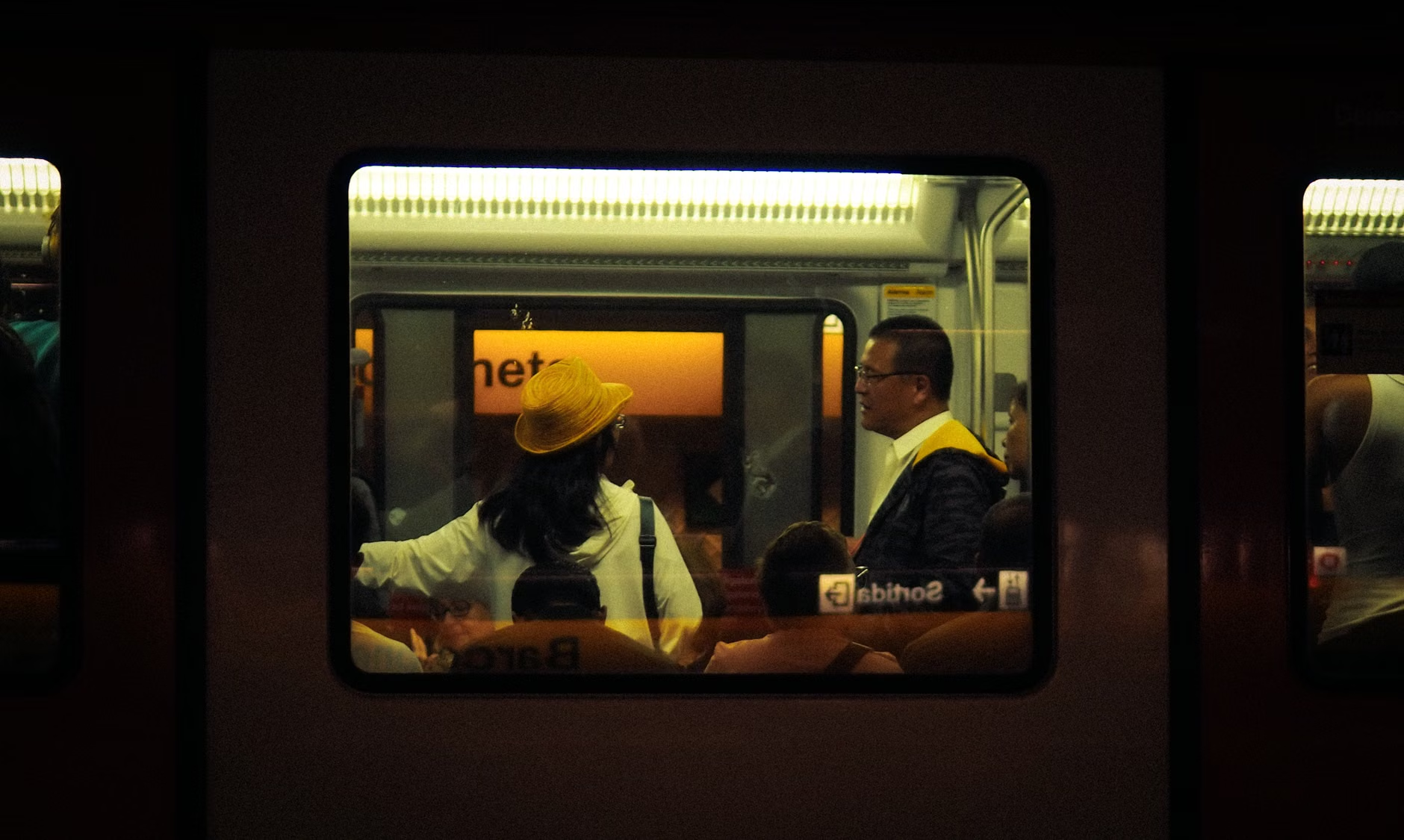
Decoding the Cabin Hierarchy: What You Are Actually Paying For
The biggest mistake first-time night-train travelers make is assuming a “sleeper” is a “sleeper.” In reality, there are three distinct levels of accommodation, and for a family, the choice is the difference between a restful night and an absolute disaster.
1. The Standard Seat
Avoid this for overnight travel with children. These are regular train seats, sometimes in an open-plan carriage. While they are the cheapest option, they do not recline fully. Trying to keep a child comfortable in a non-reclining seat for an eight-hour journey is a recipe for a very grumpy morning. Only choose this if you are on an extremely tight budget and the journey is under six hours.
2. The Couchette (The Middle Ground)
Couchettes are the most common family option. These are shared compartments that convert into bunks. You usually get a thin mattress, a pillow, and a blanket. They are basic, but they allow you to lie flat. Crucially, you should always book the entire compartment for your family. Most couchettes come in four- or six-bed configurations. If you are a family of three or four, paying the supplement to book the remaining beds in a six-bed compartment ensures you have the room to yourselves.
3. The Sleeper (The Premium Choice)
If your budget allows, this is the gold standard. Sleeper cabins offer real beds with proper linens, and often include a small washbasin or even a private shower and toilet. They are quieter, more secure, and feel more like a hotel room. For a family of four, these are often limited to “interconnecting” cabins, which means you might need to book two separate compartments that share a door.
| Feature | Couchette | Sleeper Cabin |
|---|---|---|
| Bed Quality | Basic bunk, thin mattress | Real mattress, proper bedding |
| Privacy | Private if you book all beds | Private by default |
| Amenities | Shared hallway restroom | Often private sink/shower |
For most families, the couchette is the best value-for-money trade-off. It provides the flat sleeping surface you need without the significant price jump of a premium sleeper cabin. Just remember to pack your own extra pillows if you are sensitive to sleep quality, as the provided ones are notoriously flat.
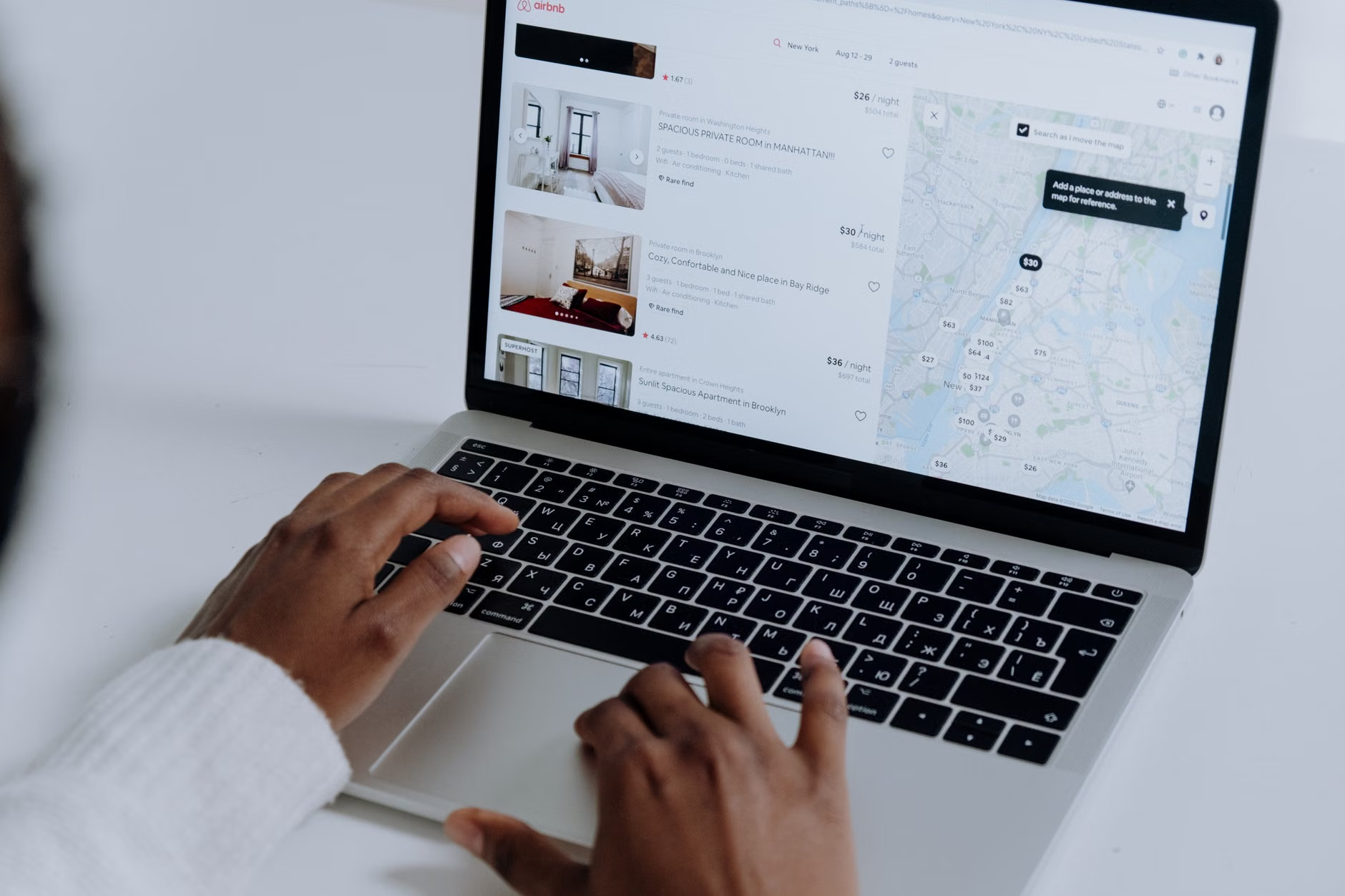
Booking Logistics: How to Beat the 90-Day Rush
Booking a night train is not like booking a flight on a low-cost carrier. You cannot simply log on two weeks before your trip and expect a family cabin to be available. The capacity is physically limited by the number of bunks on the train. Once the family-sized compartments are gone, they are gone.
Most European rail operators open their booking windows between 60 and 180 days in advance. For the popular Nightjet routes (like Vienna to Paris or Berlin to Zurich), you should aim to book as close to the 90-day mark as possible. Use the official sites rather than third-party aggregators whenever you can. Third-party sites often struggle with complex sleeper-cabin configurations, and if something goes wrong, you want to be dealing directly with the train operator.
Step-by-step for booking success:
- Check the Operator: Identify the primary operator for your route (e.g., ÖBB for Nightjet, SNCF for Intercités de Nuit).
- Search for “Private Compartment”: When the search results appear, look for the option to book the entire cabin. If you are a family of four and the train offers six-bed couchettes, you must select the “Private” option to ensure strangers aren’t assigned to the other two bunks.
- Verify the Route: Some routes are seasonal or operate on specific days of the week. Always check the calendar view to see if your preferred date is a “running” day for that service.
- Keep Your Tickets Digital: Most systems now offer mobile tickets. Download them to your phone and, as a backup, take a screenshot of the QR code. Train Wi-Fi can be spotty, and you don’t want to be hunting for a PDF in a tunnel.
A common mistake is assuming that “Interrail” or “Eurail” passes cover the full cost of a night train. They do not. While a pass can cover the base fare, you will almost always have to pay a significant “supplement” or “reservation fee” for a couchette or sleeper bed. Always factor this into your total budget before deciding if a rail pass is actually cheaper than buying individual point-to-point tickets.
Life Inside the Carriage: Managing Expectations and Snacks
Once you are on board, the reality of the train sets in. These are vintage-style carriages, and they are not spacious. You will not have room for four large suitcases. If you are traveling with large checked bags, you are doing it wrong. The golden rule of night-train travel is minimalist luggage. Each family member should have one medium-sized backpack or soft-sided bag that can easily be tucked under the bottom bunk or placed in the overhead rack.
The “what it looks like” scenario: You board around 8:00 PM. The attendant shows you to your compartment. The bunks are already set up. Your first task is to organize your “night kit.” This should be a separate small bag containing everyone’s pajamas, toothbrushes, toothpaste, and any essential medication. Do not leave this in the main suitcase, or you will be digging through it in a space the size of a closet at 10:00 PM.
Food is another variable. While some sleepers offer a breakfast service included in the price, dinner is rarely a full-service experience. Most people bring their own snacks and drinks. Avoid heavy, greasy meals that will make the kids feel sluggish or thirsty in the middle of the night. Think protein-rich snacks, fruits, and plenty of water. Also, check if your train has a bistro car—it’s a great place to take the kids for a hot chocolate before bed, which helps burn off that last bit of “train energy” before lights out.
The Hidden Realities: What Nobody Tells You
There are a few “unexpected variables” that catch even experienced travelers off guard. First, the noise. Trains are loud. There is the rhythmic clatter of the tracks, the occasional high-pitched whistle of the engine, and the clanking of the couplings between carriages. If your children are light sleepers, pack a pair of noise-canceling headphones or a white-noise app. It sounds counterintuitive, but a steady white-noise loop can mask the irregular sounds of the train better than silence.
Second, the motion. Night trains aren’t like high-speed bullet trains; they sway. If you are prone to motion sickness, avoid reading or staring at a screen for too long while the train is moving. Stick to audiobooks or quiet conversation. Also, try to get a cabin toward the middle of the carriage. Being right over the wheels (the bogies) makes for a much bumpier and louder ride than being in the center.
Third, the security aspect. While modern trains are generally safe, always keep your cabin door locked. Most compartments have a secondary deadbolt or a chain lock that can be engaged from the inside. Teach your children that the door is to stay locked at all times unless an adult is opening it. It’s a simple rule that provides a massive amount of peace of mind for parents trying to get a few hours of shut-eye.
When Should You Definitely Skip the Night Train?
Night trains are not a universal solution. There are specific conditions where you should choose a hotel and a daytime train instead. If you have a child who is currently in a very difficult sleep regression phase, a night train might turn into a nightmare. You are in a confined space; if the child wakes up crying at 2:00 AM, you cannot simply walk them into another room to soothe them. You are limited to the cabin or the narrow hallway.
Additionally, if your destination requires you to be at a specific event or meeting at 8:00 AM, do not rely on a night train. While they have improved, delays are still a reality. Signal failures, freight train interference, or track maintenance can add two or three hours to a journey without warning. Always build a “buffer” into your travel plans. If you must be somewhere early, arrive the day before and stay in a local hotel.
Finally, consider the age of your children. Infants and toddlers often find the motion of the train soothing, but they also require a lot of gear. If you are traveling with a stroller, a portable crib, and a mountain of diapers, the physical effort of navigating a narrow train corridor might be more trouble than it is worth. Night trains are generally best for children aged five and up, who can climb into their own bunks and appreciate the adventure of the journey.
Making the Decision: Is It Worth It?
Is the night train worth the extra planning? For most families, yes. It turns a boring transit day into a shared experience. There is something inherently magical for a child about falling asleep in one city and waking up in another. It teaches them that travel is about the journey, not just the destination. It is a slower, more deliberate way to see the world, and in our world of instant gratification and high-stress airport terminals, that is a rare luxury.
If you decide to book, look at the Nightjet official portal or the Eurail resource center to get a feel for the routes available. Start with a shorter, direct route—like Munich to Venice or Zurich to Hamburg—to test the waters before committing to a longer, multi-stop journey.
Remember, the goal is not perfection. The goal is to arrive at your destination with your sanity intact and a fun story to tell. If the kids don’t sleep perfectly, that’s okay. You will still have arrived rested enough to start your trip, and you will have avoided the worst parts of modern air travel. Pack light, book early, and embrace the gentle sway of the tracks.
Frequently Asked Questions
1. Do night trains have Wi-Fi and power outlets?
Most modern night trains, especially the refurbished Nightjet carriages, offer power outlets in every compartment. However, Wi-Fi is notoriously unreliable on many cross-border routes because the signal drops as you pass through different countries and remote areas. Do not rely on it for streaming movies. Download everything you need while you are still at home or in the station lounge.
2. What happens if the train is delayed?
European rail operators are generally good about rebooking passengers if a delay causes you to miss a connection, provided the tickets were booked on a single itinerary. If you booked separate tickets (e.g., a night train followed by a local regional train), you are at higher risk. Always leave at least a three-hour buffer between your arrival and any onward travel plans.
3. Are the bathrooms clean?
This is the most common concern. In a couchette carriage, bathrooms are shared at the end of the hall. They are generally cleaned at the start of the journey, but as the night progresses, they can become messy. Bring a small kit with sanitizing wipes and hand sanitizer. If you book a “sleeper” category, you often get a private basin, which makes a huge difference for basic morning routines like brushing teeth.
Sources and further reading:
– ÖBB Nightjet Official Travel Information
– The Man in Seat 61 (The definitive guide for European train travel logistics)