Key Takeaways for a Smooth Transition
- Prioritize Emotional Security: Academic readiness is secondary; a child who feels safe and attached to their caregiver is naturally more curious and ready to learn.
- The “Bridge” Technique: Use physical transitional objects and consistent, short goodbye rituals to help your child internalize your presence even when you are apart.
- Collaborative Communication: Treat the teacher as a partner in your child’s emotional regulation, sharing specific triggers and comfort strategies rather than just logistical information.
The transition to kindergarten is often treated like a bootcamp for academic success, but the most successful start actually hinges on something far more primal: attachment. If you are in your 30s or 40s, you likely remember being told to just “rip the bandage off” when it came to separation. Modern developmental research suggests that this approach is not just outdated—it is counterproductive. When we force a child to suppress their need for a secure base, we don’t make them independent; we make them anxious.
An “attachment-first” transition acknowledges that your child’s brain, while capable of learning phonics or basic math, is still biologically wired to seek proximity to their primary caregiver as a survival mechanism. Moving into a classroom setting is a major life event. By shifting our focus from “school readiness” to “emotional security,” we can transform the chaotic, tear-filled drop-off into a confident, independent entry into the school world.
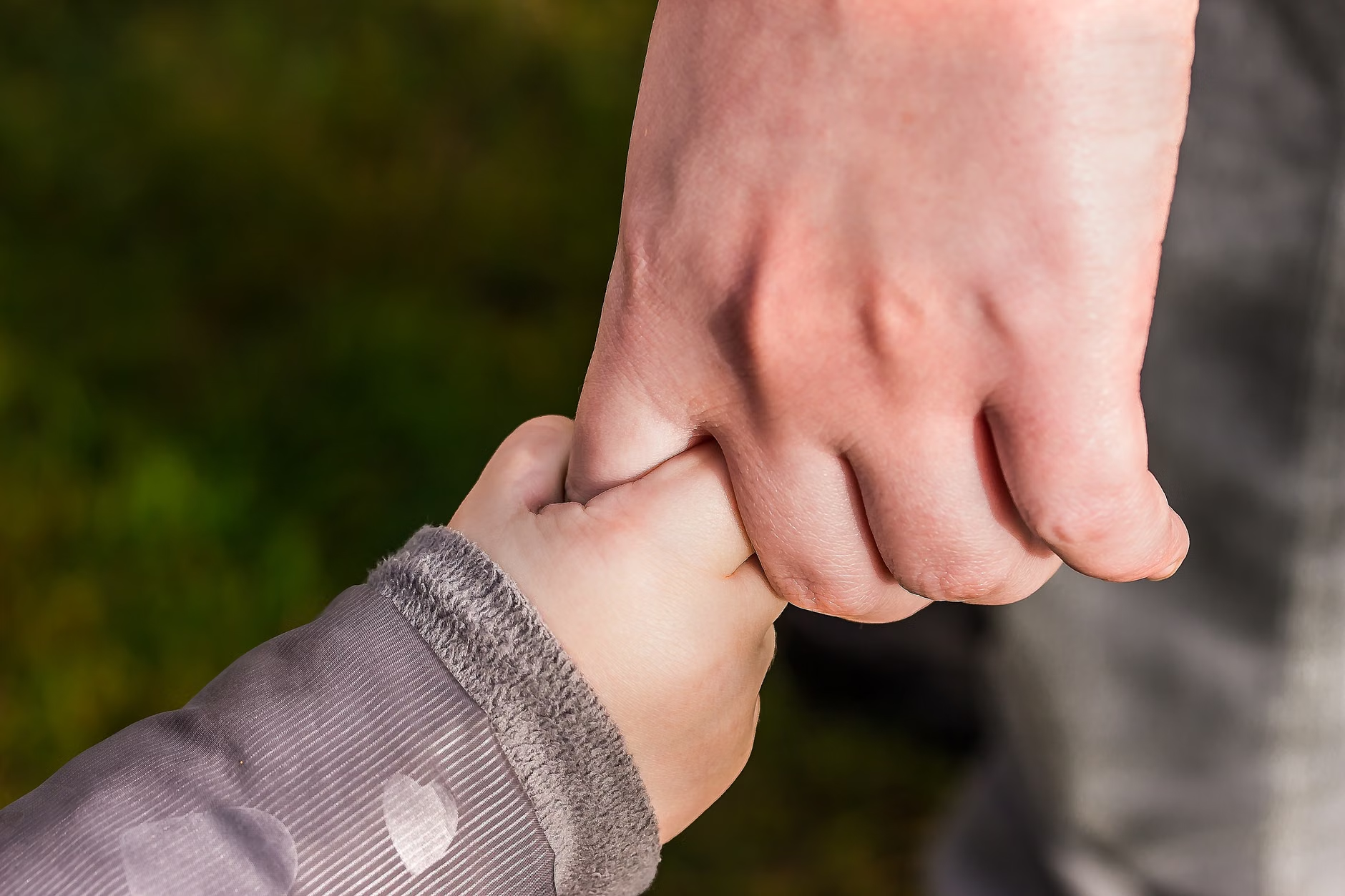
Why Attachment is the Foundation of Learning
In the world of developmental psychology, the concept of a “secure base” is central. Coined by John Bowlby and expanded by Mary Ainsworth, this theory posits that children explore their environment more effectively when they know a safe harbor is available. In the context of kindergarten, the school is the “unknown environment,” and you are the “secure base.”
When a child is forced to separate before they feel secure, their nervous system enters a state of fight-or-flight. Cortisol levels rise, and the prefrontal cortex—the part of the brain responsible for problem-solving, impulse control, and social interaction—effectively goes offline. You cannot teach a child who is in a state of biological alarm. If your child is struggling at drop-off, they aren’t being “difficult”; they are experiencing a physiological response to perceived danger.
This is why the “attachment-first” model matters: it lowers the internal alarm system. When a child feels that their separation is temporary, planned, and supported, they can shift from a state of seeking security to a state of engaging with their surroundings. This is the physiological prerequisite for learning. If you ignore this, you risk creating a cycle where school becomes associated with high anxiety rather than discovery.
The Physiology of Separation: Understanding the “Alarm”
It is easy to label a child as “clingy” or “shy.” However, if we look at this through a neurobiological lens, we see something different. When a child senses separation, their brain’s amygdala triggers a stress response. For a child in their early years, the threat of being away from a parent is interpreted by the brain as a threat to their survival.
This is not a matter of willpower or “toughing it out.” It is about the maturation of the brain’s regulatory systems. As parents, our role is to act as an external regulator. We help them co-regulate—meaning our calm, consistent presence helps their nervous system settle down. When we hand them off to a teacher, we are essentially transferring that role of “external regulator” to the educator. If this transfer is rushed, the child is left without a regulator, and the alarm bells keep ringing.
Consider the difference between these two scenarios:
| Scenario | Approach | Outcome |
|---|---|---|
| The “Band-Aid” | Quick goodbye, leaving while the child is distracted, avoiding the “scene.” | Child feels abandoned, develops distrust in the parent’s return, heightens anxiety. |
| The “Attachment-First” | Validated feelings, clear goodbye ritual, consistent routine, explicit return promise. | Child feels heard, understands the boundary, builds trust in the parent’s return. |
The “Band-Aid” approach often works in the short term because the child eventually stops crying from sheer exhaustion or lack of energy. But the long-term cost is a lack of trust. The “Attachment-First” approach might take more time in the first two weeks, but it pays dividends in long-term school enjoyment and emotional resilience.

Step-by-Step: Building a Secure Transition Ritual
A transition ritual is not a bribe or a distraction; it is a predictable sequence of events that tells the child’s brain, “This is safe, and I know exactly what comes next.” Here is how to build one that actually works.
1. The “Bridge” Object
Give your child a tangible piece of “home” to take to school. This could be a small stone, a photo of the family, or even a piece of fabric that smells like you. This object serves as a bridge, maintaining the attachment bond across the physical distance. It is not just a toy; it is a psychological anchor. Ensure it is small enough to fit in a pocket and complies with school policies regarding personal items.
2. The “Return Promise”
Never leave without saying goodbye, and never sneak away. Sneaking away creates a “hyper-vigilance” effect where the child becomes afraid to play because they are constantly checking to see if you are still there. Instead, be explicit. Say, “I am going to work, and I will be back at 3:00 PM right after your snack.” Using a specific time marker (like “after snack” or “when the big hand is on the 12”) is far more effective than “I’ll be back soon.”
3. The “Transfer of Trust”
Your child needs to see you trusting the teacher. If you are visibly anxious, your child will mirror that anxiety. Take a moment to chat briefly with the teacher in front of your child. Talk about something positive—a game they played yesterday or a book they enjoyed. This signals to your child that the teacher is a person you trust and respect, which makes it safe for them to trust the teacher, too.
4. The Short, Sweet Exit
Once the ritual is done, leave. Do not linger for “just one more hug” if the child is already showing signs of distress. Prolonging the goodbye can inadvertently signal that you are also worried about leaving. A firm, loving, and quick departure is the most confident message you can send.
5. The “After-School Decompression”
The transition doesn’t end at pickup. Your child has likely been working hard to hold it together all day. When they see you, they may release all that pent-up emotion. This is actually a sign of a secure attachment—they feel safe enough to let their guard down with you. Don’t immediately grill them about their day. Offer a snack, some quiet time, and a “low-demand” environment for the first 30 minutes.
Common Misconceptions That Derail Progress
One of the biggest mistakes parents make is assuming that “crying equals failure.” This is a fundamental misunderstanding of emotional development. Crying is a release of stress; it is the body’s way of processing change. If your child cries at drop-off, it doesn’t mean the school is bad or that your child isn’t ready. It simply means the transition is a significant event for them.
Another common misconception is that “academic preparation” is the best way to ready a child for school. We spend hours practicing letters and numbers, but we neglect the “emotional regulation” training. A child who can identify their own feelings—”I feel scared right now”—is far better prepared for kindergarten than a child who can count to 100 but has no tools to manage their frustration when a peer takes a toy.
Finally, avoid the trap of “comparison-itis.” Don’t look at the child who walks in without a backward glance and assume your child is behind. Every child has a different temperament. Some are “slow-to-warm-up,” and that is a perfectly healthy temperament. Your job is not to change their personality, but to provide the support they need to navigate their unique experience.
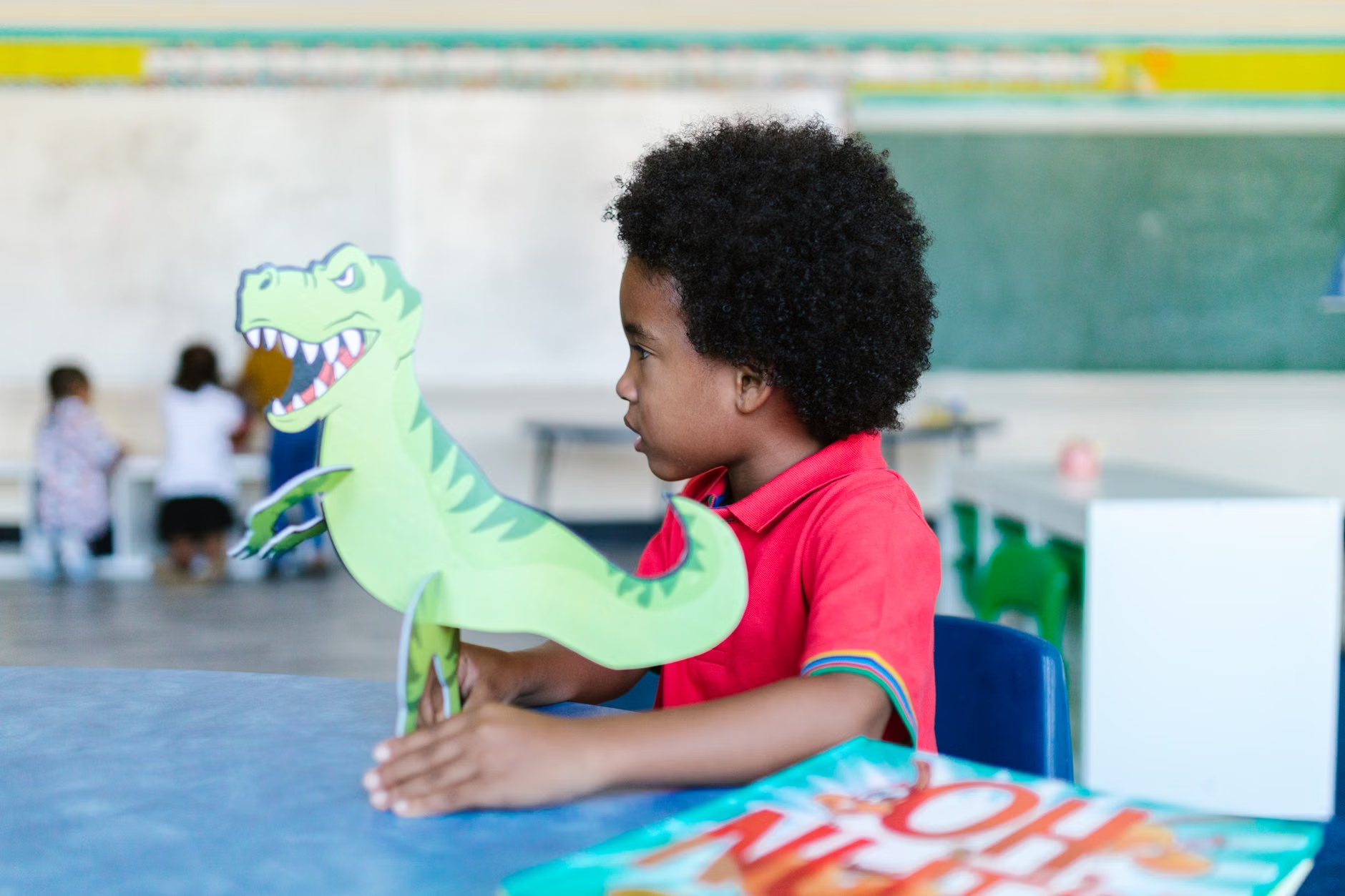
Collaborating With Educators: The Parent-Teacher Partnership
Your child’s teacher is your greatest ally in this transition, but you have to know how to leverage that partnership. Most teachers have seen hundreds of transitions, but they haven’t seen your child. You are the expert on your child’s specific triggers and comfort styles.
When you speak to the teacher, be specific. Instead of saying, “He’s shy,” try: “He usually takes about 10 minutes to observe before he joins an activity. He feels most comfortable if he’s invited to play rather than being put directly into a group.” This gives the teacher a clear “entry point” to help your child engage.
If you notice your child is struggling, communicate this via a brief, professional note or during a scheduled meeting. Ask the teacher: “What do you see him doing when I leave? Does he settle down within five minutes, or does it take longer?” This helps you distinguish between a temporary protest and a genuine, ongoing struggle that may require a different strategy.
Remember that teachers are also managing a room full of other children. Keep your requests reasonable and focused on the transition. If you are asking for special accommodations, ensure they are sustainable for the teacher to implement long-term. The goal is to build a bridge between your home-based attachment and the school-based community.
Just when you think you’ve cracked it, some children experience a “second wave” of separation anxiety, often occurring a few weeks or even months into the school year. This can be baffling for parents. You might think, “We already went through this, why are they crying again?”
This is usually triggered by a change in routine, a developmental leap, or simply the realization that school is a permanent fixture in their life, not just a passing phase. When this happens, do not backtrack or assume you have failed. The “Attachment-First” approach remains the same: validate the feeling, reinforce the routine, and maintain the connection. Often, this “second wave” is a sign that the child is becoming more aware of their own independence, which can be scary, leading them to seek an extra dose of security from you.
Be patient with these regressions. They are a normal part of the process. If you maintain your calm, consistent presence, the “second wave” typically passes much faster than the initial transition period. It is a sign that your child is integrating their new world with their home life, and they just need a little extra reassurance that the bridge between the two is still strong.
Advanced Strategies for Sensitive Children
Some children are “highly sensitive,” a temperament trait that means they process information more deeply and feel emotions more intensely. For these children, the standard transition advice might need some fine-tuning.
If your child is highly sensitive, consider an “incremental” transition. If the school allows it, ask if you can stay for the first 15 minutes of the day for the first three days. Use this time to help your child “land.” Show them where their cubby is, help them put their things away, and introduce them to one specific activity. Once they are engaged, make your exit.
Another strategy is to “prime” the environment. Visit the school playground on a weekend or after hours so your child can explore the space without the pressure of other children or the stress of a school day. Familiarity breeds comfort. When they walk into the classroom on Monday, it’s not a completely foreign environment; they already know the layout, the smells, and the feel of the place.
Finally, use “pre-visualization.” Talk about the school day using a storyboard or a simple drawing. “First, we walk to the door. Then, we give a hug. Then, you hang your bag. Then, you go to the rug.” Making the invisible, visible helps the child’s brain map out the day, which reduces the “fear of the unknown.”
The Long-Term Impact of a Gentle Start
The beauty of the “Attachment-First” transition is that it teaches your child how to navigate separation for the rest of their life. You are not just helping them get through kindergarten; you are teaching them that they are capable of handling separation and that they have a secure base to return to.
This builds a foundation of “secure attachment” that has been linked in longitudinal studies to better social-emotional outcomes, higher academic achievement, and more resilient relationships in adulthood. By taking the time now, you are investing in your child’s emotional architecture.
When you look back on this time, you won’t remember how many days it took for the drop-off tears to stop. You will remember the confidence your child gained and the trust you built together. Don’t let the pressure of “school readiness” distract you from the reality that the most important thing your child brings to school is their emotional well-being.
Final Thoughts: You Are the Expert
At the end of the day, you know your child better than any educator, psychologist, or blogger. If something feels wrong, trust your gut. If your child is persistently unhappy, withdrawn, or showing signs of chronic stress, it is time to have a serious conversation with the school administration or seek professional guidance. But in the vast majority of cases, a slow, steady, and attachment-focused approach will lead to a successful transition.
Be kind to yourself as well. This is a transition for you, too. Letting go is a process that happens in small increments, from the first day of kindergarten to the day they head off to university. Every tear you witness and every hug you give is part of the work of building a resilient, secure, and happy human being. Take a deep breath, hold your child’s hand, and know that you are doing the hard, important work of parenting.
Frequently Asked Questions
- How long should the transition process realistically take?
Every child is different, but for most, the “heavy” transition phase lasts between two to four weeks. If your child is still struggling significantly after six weeks, it may be worth checking in with the teacher to see if there are underlying issues in the classroom environment. - What if the school has a “no-parent” policy during drop-off?
Many schools have this policy for safety and to minimize disruption. If this is the case, focus your “attachment work” on the ritual you perform at the school gate or the classroom door. You can still use the “Bridge” object and the “Return Promise” even if you aren’t allowed inside the room. - Should I stay if my child is crying?
If you have already established a “goodbye ritual,” staying longer usually increases the child’s distress because it signals that the departure is negotiable. If you have done your ritual, offered comfort, and the child is still crying, it is often better to leave quickly and confidently, allowing the teacher to take over the co-regulation role.
For further reading on child development and attachment, you can explore resources from the Zero to Three organization, which provides science-based information on early childhood growth.