- Subscription vs. Ownership: Toy rental services reduce household clutter by 60-80% compared to traditional ownership models, as toys are returned once the child outgrows them.
- Hidden Value: These platforms focus on high-quality, durable, and educational toys that are often too expensive to purchase individually, offering better developmental value for your money.
- The “Circular” Benefit: By participating in a rental model, you are actively reducing the carbon footprint associated with manufacturing and shipping new plastic toys that often end up in landfills.
If you are in your 30s or 40s, you likely know the specific, sharp pain of stepping on a plastic building block in the middle of the night. Or perhaps it’s the frustration of walking into your living room, which has slowly morphed from a space for adults into a warehouse for brightly colored, battery-operated plastic that your child played with exactly twice.
You aren’t alone in this. The “toy graveyard”—that corner of the bedroom or the bottom of the closet filled with forgotten items—is a universal experience for modern parents. But a shift is happening. The circular economy, a model that prioritizes reusing, repairing, and sharing instead of the traditional “take-make-waste” approach, has finally arrived in the toy aisle.
Why the Traditional Toy Ownership Model Fails Modern Families
In our 30s, we are often at the peak of our professional and personal responsibilities. We want to provide the best developmental opportunities for our children, but we are also fighting a constant battle against physical clutter and mental load. The traditional model—buying toys, storing them, and eventually disposing of them—is inherently flawed for the modern household.
First, there is the depreciation trap. A high-quality developmental toy might cost $100. Your child might be developmentally interested in that specific toy for exactly three months. After that, it becomes dead weight. You have essentially paid $33 per month for an object that is now taking up square footage in your home, which, let’s face it, is already at a premium.
Second, we have the environmental impact. Most inexpensive toys are made from virgin plastics, involve complex supply chains, and are designed with obsolescence in mind. By the time they are broken or outgrown, they are rarely recyclable. They end up in landfills, contributing to the global plastic waste crisis. Renting toys isn’t just about tidying up; it’s a conscious choice to consume differently.
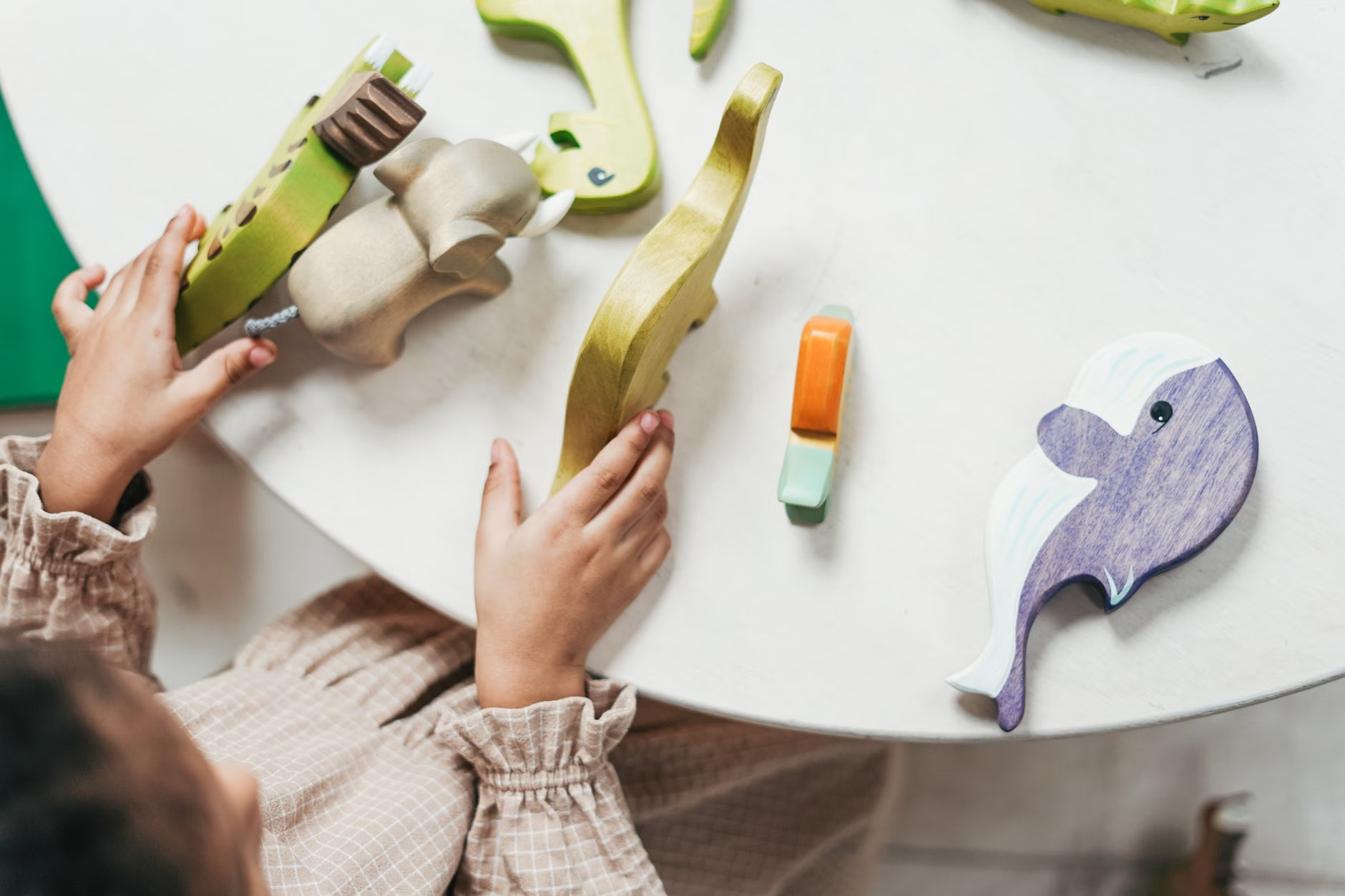
Third, there is the “overchoice” phenomenon. Psychology research suggests that children often play less effectively when they are surrounded by too many toys. When a child has a curated selection of 5 to 10 high-quality toys that rotate every few months, their engagement levels often skyrocket. They aren’t distracted by the sheer volume of options; they are forced to explore the depth of the toys they have.
How Toy Rental Platforms Actually Work
Toy rental platforms function much like a subscription service for entertainment. You sign up, choose a plan based on your child’s age and developmental stage, and receive a box of curated toys. When your child is done, you pack them back up and swap them for a new batch.
But how do you ensure the toys are safe and clean? This is the most common concern for parents. Most reputable platforms operate with rigorous hygiene standards. They use industrial-grade, eco-friendly sanitization processes that exceed what you could achieve at home. They also inspect every item for structural integrity. If a piece is missing or a toy is damaged, most platforms have a “no-penalty” policy for minor wear and tear, recognizing that children are, by nature, destructive.
The Economics of Renting vs. Buying
To understand if this is right for your budget, we need to look at the numbers. Let’s create a realistic scenario for a toddler aged 18 to 24 months.
| Factor | Traditional Ownership | Rental Subscription |
|---|---|---|
| Monthly Cost | $40 – $80 (variable) | $30 – $50 (fixed) |
| Clutter Impact | High (accumulation) | Low (rotation) |
| Toy Quality | Often mass-market plastic | Premium/Educational/Wooden |
| Storage Requirement | Significant | Minimal |
As shown in the table, the subscription model provides a predictable monthly cost. While you don’t “own” the item, you are paying for the utility of the toy during the period your child actually wants it. The true value lies in the access to premium brands—like Montessori-style wooden sets or complex STEM kits—that would be prohibitively expensive to buy outright.
Common Misconceptions and Hidden Trade-offs
Before you jump into a subscription, it is important to address the reality of how these services fit into your life. It is not a perfect solution for every family, and there are trade-offs to consider.
The “Missing Piece” Anxiety
Parents often worry about losing pieces. It is the bane of every board game or block set. Most platforms are very forgiving, but if you are the type of parent who gets deeply anxious about a missing puzzle piece, you might find the rental process stressful. Decision Rule: If you prefer to own items so you can replace pieces or ignore the fact that they are missing, renting might not be for you. However, if you see toys as tools for learning rather than precious heirlooms, the trade-off is negligible.
The “Attachment” Problem
What if your child falls in love with a specific toy? Most platforms offer a “buy-out” option. You can purchase the toy at a discounted price, effectively ending the rental for that item. It is a flexible way to handle the inevitable “but I want to keep this!” tantrum.
Shipping and Logistics
In your 30s, you likely have enough “logistics” in your life (grocery deliveries, work travel, school runs). Adding another box to manage—receiving it, documenting the contents, returning it—can feel like a chore. If you are already at your capacity for managing household tasks, the administrative burden of a rental service might outweigh the benefits. Recommendation: Start with a low-frequency subscription (e.g., quarterly) to see if the rhythm fits your lifestyle before committing to a monthly rotation.
Evaluating the Right Platform for Your Region
Since this is a global issue, the availability of these services varies significantly. In North America, platforms like Lovevery (subscription kits) or Tiny Earth Toys (rental library) are popular. In Europe, companies like ToyAcademy or various local “toy libraries” (often called Ludothèques in French-speaking regions) offer similar services.
When choosing a provider, look for these three indicators of quality:
- Transparency regarding cleaning: They should explicitly state their sanitization protocols. If they don’t, move on.
- Curation Philosophy: Are the toys chosen by child development experts? You aren’t just paying for the toy; you are paying for the selection.
- Sustainability Commitment: Look for platforms that use carbon-neutral shipping or partner with eco-friendly courier services. If they are pushing the circular economy, they should be walking the talk.
If you are in a region where these services are not yet available, check if your local municipal library has a “toy lending” program. Many public libraries are expanding their collections to include non-book items. It is a fantastic, zero-cost way to test the rental model.
The Long-Term Impact on Your Parenting Style
Adopting a rental model for toys subtly changes how you view parenting. It shifts the focus from “giving” to “guiding.” When a child is presented with a curated set of toys that change periodically, they learn to appreciate the novelty of the new, but they also learn the value of taking care of something that belongs to a community.
Furthermore, it helps you model sustainable behavior. When your child asks why the toys go back in the box, you have an opportunity to talk about sharing, waste, and the environment. These are values that are difficult to teach through lectures but easy to demonstrate through daily habits.
Common Mistake: Treating the rental box as a “new toy delivery” that happens regardless of the child’s interest. If your child is still deeply engaged with the current set, keep it longer. Don’t force a rotation just because the calendar says so. The flexibility of the subscription is your greatest asset—use it to match your child’s actual developmental pace, not the company’s shipping schedule.
Actionable Steps to Get Started
If you are ready to declutter and experiment with a circular toy model, here is how to start without overwhelming yourself:
- Audit your current inventory: Take 30 minutes this weekend to look at the toys currently in your living space. Which ones are actually played with? Which ones are just taking up space? Be ruthless.
- Set a “Rental Budget”: Compare this to what you currently spend on toys. You will likely find that you can maintain a high-quality rotation for the same price as your current impulsive toy purchases.
- Choose a trial period: Most platforms offer a single-month or single-box trial. Use this to test the shipping logistics and, more importantly, your child’s reaction to a curated selection.
- Establish a “Return Station”: Designate a specific spot in your home for the rental box. When the time comes to return the items, everything is already in one place.
The goal is not to eliminate ownership entirely, but to be intentional about it. Perhaps you own the “classics”—the building blocks, the dress-up clothes, the art supplies—and you rent the “developmental milestones”—the complex puzzles, the language-learning games, the science kits.
Final Thoughts on the Circular Approach
The circular economy is not just a buzzword; it is a practical framework for living better in a world where we simply have too much stuff. For those of us in our 30s and 40s, balancing the demands of work, parenting, and home management, the toy rental model offers a rare combination of convenience, environmental responsibility, and developmental support.
It won’t stop your child from being a child, and it certainly won’t stop you from occasionally stepping on a stray piece in the dark. But it will give you more breathing room, both in your home and in your mind. Start small, observe your child’s engagement, and lean into the idea that less, when curated well, is almost always more.
Frequently Asked Questions
1. What happens if my child breaks or loses a toy?
Most reputable rental platforms understand that toys are meant to be played with. They typically have a “wear and tear” policy that covers minor damage or the occasional lost small part. However, if an item is returned completely destroyed or with significant components missing, they may charge a replacement fee. Always read the specific terms of service for the platform you choose, as these vary by company.
2. Is this actually more sustainable than buying second-hand?
Buying second-hand is also a form of the circular economy, but it requires you to be the manager of the lifecycle—searching for items, cleaning them, and then re-selling or donating them when you are done. Rental platforms centralize this process, using efficient, industrial-scale cleaning and logistics. While both are better than buying new, rental platforms are generally more efficient for high-turnover items like toddler toys, while buying second-hand is great for durable, long-term items like play kitchens or bikes.
3. How do I know if the toys are age-appropriate?
Most platforms use developmental milestones as their primary filter. When you sign up, you provide your child’s age and developmental stage. The service then curates a box based on current research into cognitive and motor skill development for that specific age range. This removes the guesswork from your shopping and ensures that the toys you receive are actually useful for your child’s current growth phase.
For further reading on the circular economy and its impact on household consumption, consider exploring resources from the Ellen MacArthur Foundation, which provides comprehensive data on shifting global consumption patterns.