The single most effective way to help your child wind down for bed is not a new bedtime story or a magic supplement, but rather managing their exposure to light—specifically by mimicking the natural transition from daylight to dusk using smart lighting.
- Blue light suppression: Exposure to cool, blue-toned light in the evening inhibits melatonin production, keeping your child alert long after they should be asleep.
- Color temperature is king: Use “Warm White” (2000K–2700K) settings in the evening and “Cool White” (4000K–5000K) during study or play hours to support their internal clock.
- Automated transitions: Set your smart bulbs to gradually dim and shift toward amber tones 60 minutes before bedtime to signal to your child’s brain that it is time to produce sleep hormones.
The Science of Light and the Biological Clock
If you have ever found yourself staring at a screen late at night, only to realize you are wide awake at 2:00 AM, you have experienced the power of light on your circadian rhythm. For children, whose biological clocks are often more sensitive than those of adults, this effect is magnified. The circadian rhythm is essentially an internal, 24-hour cycle that dictates when we feel alert and when we feel sleepy. It is primarily regulated by light exposure, which enters the eyes and travels to the hypothalamus, specifically the suprachiasmatic nucleus (SCN).
When the SCN perceives bright, blue-wavelength light—the type commonly found in daylight and high-energy electronic screens—it instructs the pineal gland to suppress the production of melatonin, the hormone responsible for sleepiness. Conversely, when the light dims and moves toward the red and amber end of the spectrum, the SCN recognizes that it is nighttime and allows melatonin levels to rise. In our modern homes, we often keep the lights at full intensity until the moment we turn them off, which creates a sharp, unnatural transition that can leave children feeling “wired” even when they are physically exhausted.
Understanding this biological mechanism is the first step in reclaiming your evenings. You aren’t just changing lightbulbs; you are building an environmental cue that tells your child’s body exactly what it should be doing. By shifting the color temperature and intensity of your home’s lighting, you can effectively nudge their biology toward sleep without a fight.
Designing a Circadian-Friendly Home Lighting Schedule
Implementing a smart lighting schedule is not about creating a complex, high-tech maze; it is about creating a predictable environment. For a child in their developmental years, predictability is comforting. You want to create a “light landscape” that mirrors the sun’s natural path, even if you are in a windowless room or dealing with the harsh glare of modern LED overheads.
Most smart lighting systems—such as Philips Hue, LIFX, or even budget-friendly options compatible with Google Home or Apple HomeKit—allow for “Scenes” or “Automations.” You should aim to create three distinct phases for your child’s evening:
1. The “Wind-Down” Phase (60 Minutes Before Bed)
This is the most critical period. At this stage, you should transition the house from functional, bright lighting to a warmer, lower-intensity setting. If your lights are currently at 100% brightness and 5000K (cool white), move them to 50% brightness and 2700K (warm white). This shift reduces the “blue” component of the light spectrum, which is the primary culprit for melatonin suppression.
2. The “Preparation” Phase (30 Minutes Before Bed)
As you move through the bedtime routine—teeth brushing, pajamas, final story—the lighting should drop further. Aim for 20% to 30% brightness and an even warmer color temperature, around 2200K or 2000K. This creates a “cave-like” atmosphere. At this level, the light is sufficient for reading or moving around safely, but it is not stimulating enough to keep the brain in “daytime mode.”
3. The “Sleep” Phase (Bedtime)
By the time your child is in bed, the lights should either be off or at a very dim, low-level “nightlight” setting (perhaps 5–10% brightness) if your child has a fear of the dark. If you use a nightlight, ensure it is red-shifted. Red light has the least impact on melatonin production compared to blue or green light, making it the safest choice for middle-of-the-night check-ins.
Common Mistake: Many parents set their smart lights to turn off abruptly. This can cause anxiety for a child who is not yet ready. Instead, use the “Fade” or “Transition” feature in your app to have the lights dim slowly over 10 to 15 minutes. This slow transition allows the child’s eyes and brain to adjust gradually rather than being startled by a sudden darkness.
Hardware Requirements and Configuration
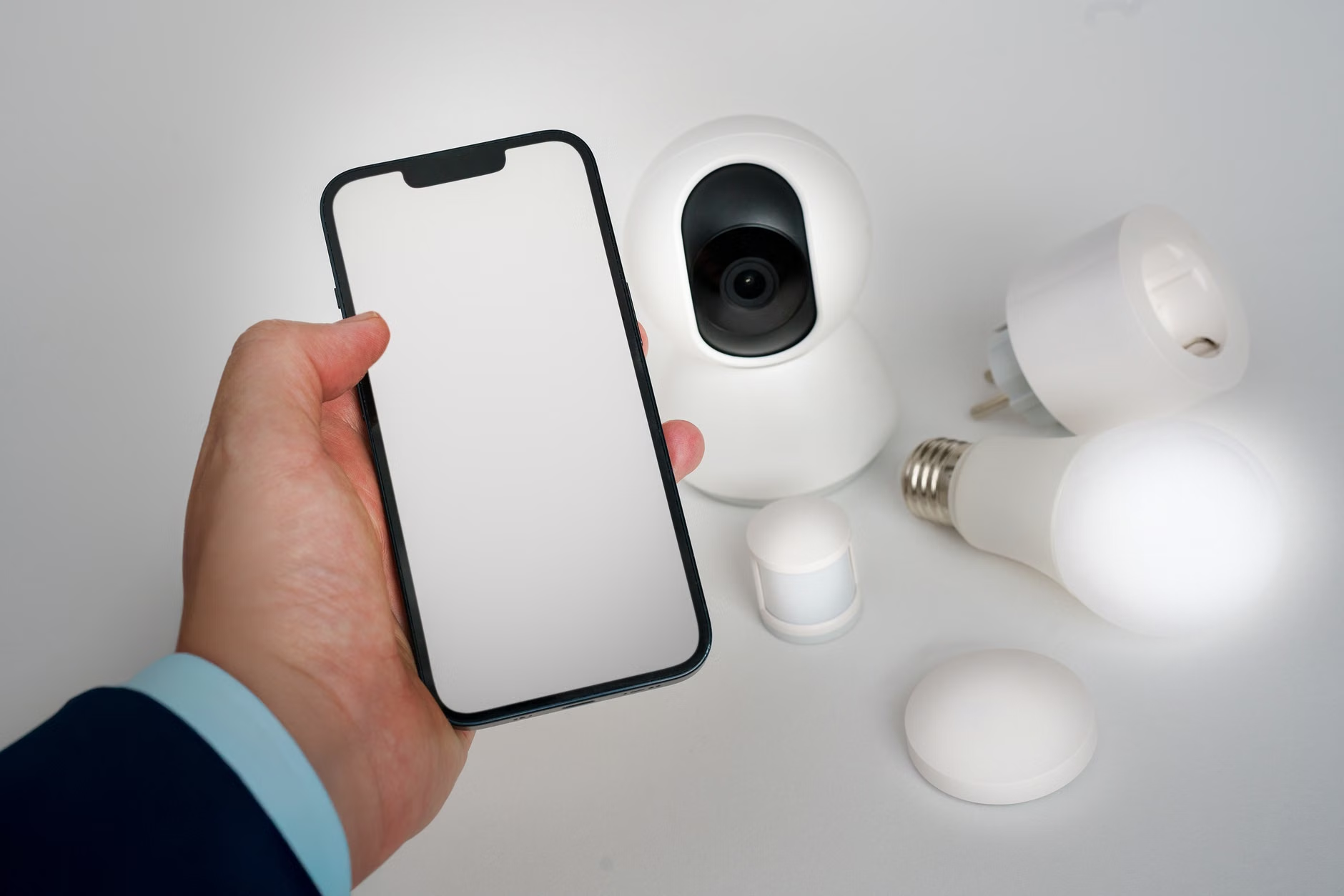
To get started, you don’t need to replace every fixture in your house. Focus on the areas where your child spends their time before bed: the bedroom, the hallway, and the bathroom. If you are on a budget, start with the bedroom lamp. A single smart bulb in a bedside lamp can be more effective than an entire ceiling system if it is positioned correctly.
When selecting hardware, look for “Tunable White” bulbs. Some cheaper smart bulbs only offer “RGB” (color-changing) or fixed-temperature white. While RGB is fun, “Tunable White” is what you need for circadian support, as it allows you to precisely control the Kelvin (K) rating. As a rule of thumb, look for a range of 2000K to 6500K.
| Time of Day | Activity | Recommended Temp | Brightness |
|---|---|---|---|
| Morning/Afternoon | Schoolwork/Play | 4000K–5000K | 80%–100% |
| Evening (Pre-bed) | Dinner/Relaxing | 2700K–3000K | 50%–70% |
| Night (60m to Bed) | Reading/Bedtime | 2000K–2200K | 10%–30% |
Once you have your hardware, the configuration should be handled via a central hub or app. Using a platform like Home Assistant, Apple Home, or Amazon Alexa allows you to create “Time-based” automations. For example, you can set a rule that says: “At 7:30 PM, set all bedroom lights to 2700K and 40% brightness.” This removes the mental load from you, the parent, so you aren’t constantly checking the clock to dim the lights.
Addressing Potential Hurdles and Overlooked Variables
One common issue parents encounter is the “Screen Time” override. You can have the most perfectly scheduled smart lighting system, but if your child is watching a tablet or playing a video game, they are still receiving a high dose of blue light directly into their retinas. Smart lighting is a tool, not a cure-all. You must pair your lighting schedule with a strict “no-screen” window at least 60 minutes before lights-out.
Another overlooked variable is the “Ambient Spill.” If your child’s room has a hallway light shining under the door or if they can see the bright living room lights from their bed, the effectiveness of the bedroom dimming is diminished. Use a draft stopper or a simple rug to block hallway light, and ensure that the transition to “dim” applies to the entire house, not just the bedroom. If the rest of the house remains at 5000K and 100% brightness, the child will feel the contrast when they walk from the bright living room into their dim bedroom, which can feel jarring rather than soothing.
Finally, be aware of the “Weekend Drift.” It is tempting to turn off these automations on weekends or holidays, but consistency is vital for the circadian rhythm. If you allow the schedule to break every Friday and Saturday, you are essentially giving your child “social jetlag.” Try to keep the lighting schedule consistent throughout the week, even if the bedtime itself shifts slightly.
Practical Steps to Begin Today
If you are ready to implement this, don’t try to change everything at once. Start with the “One Room” rule. Focus on the bedroom first. Here is your action plan:
- Audit the room: Check what bulbs you currently have and identify the lamp or ceiling fixture that provides the most light. Swap this for a Tunable White smart bulb.
- Download the manufacturer app: Connect the bulb to your Wi-Fi and ensure it is paired with your smart home assistant (e.g., Google Home or Alexa).
- Define the schedule: Use the “Automations” tab in your smart home app to create a sequence. Start with a “Dim to 30% at 7:30 PM” rule. Test this for three days.
- Observe the reaction: Does your child seem more relaxed? Are they yawning earlier? If the answer is yes, expand the automation to include the hallway or bathroom.
- Refine the color: If the 2700K setting still feels too “bright” or “white,” try moving it down to 2200K. The warmer the light, the more “evening-like” the atmosphere feels.
It is important to remember that this is a process. Some children are naturally more sensitive to light than others, and some are more resistant to change. If your child complains that the room is “too dark,” explain that you are helping their body get ready for “dream time.” Often, involving them in the process—letting them pick the “nighttime color” in the app—can turn a potential bedtime battle into a fun, cooperative ritual.
Final Thoughts on Long-Term Sleep Hygiene
Managing your child’s environment through smart lighting is a sophisticated way to support their natural growth and development. By aligning their home environment with their biology, you reduce the physiological stress of the evening transition. This isn’t about controlling your child; it is about providing the environmental cues that allow them to listen to their own body’s need for rest.
While lighting is a powerful lever, it works best when combined with other consistent sleep hygiene practices: a regular routine, a cool room temperature, and a quiet, tech-free environment. Over time, these small, automated adjustments will likely lead to shorter “settling” times and, hopefully, a more rested household. Start small, stay consistent, and watch how your child’s evening demeanor shifts as their body finally gets the signal that it is time to wind down.
For further reading on how light affects sleep, you can consult resources like the Sleep Foundation, which offers detailed guides on the impact of blue light and the importance of sleep hygiene for different age groups. Understanding the underlying science can help you feel more confident in your decisions as you optimize your home for your family’s health.
Resources:
Sleep Foundation: How Light Affects Sleep
CDC: Tips for Better Sleep
Frequently Asked Questions
1. Will smart lights still work if I use a physical wall switch?
Most smart bulbs require the wall switch to remain in the “on” position to stay connected to the network. If you turn the switch off, the bulb loses power and cannot follow its schedule. Consider using “smart switches” or “smart buttons” that can control the lights wirelessly without cutting power to the bulb itself.
2. Can I use color-changing bulbs (RGB) instead of Tunable White?
Yes, you can, but ensure they have a high-quality “Warm White” mode. Some cheaper RGB bulbs produce a “muddy” or “yellowish” white that isn’t as effective as dedicated warm-white LEDs. If you have the choice, dedicated Tunable White bulbs are generally better for eye comfort and color accuracy.
3. How do I know if my child is sensitive to the light intensity?
If your child struggles to fall asleep, is irritable in the hour before bed, or seems to have a “second wind” right at bedtime, they may be sensitive to light exposure. Try lowering the brightness by an additional 10% and shifting the color temperature toward a deeper amber (2000K) to see if it makes a noticeable difference in their behavior.