You don’t need a restrictive diet or expensive supplements to adopt the habits of the world’s longest-lived people; the secret to Blue Zone nutrition is shifting your focus from “counting calories” to “crowding out the bad” with plant-based staples, social connection, and natural movement.
Key Takeaways
- The 95% Rule: Blue Zone diets are 95% plant-based. You don’t need to go vegan; simply prioritize legumes, whole grains, and greens as the foundation of every meal.
- The “Downshift” Habit: How you eat is as important as what you eat. Scheduling screen-free, seated family meals triggers the parasympathetic nervous system, aiding digestion and reducing stress.
- The “Plant Slant” Strategy: Instead of removing “forbidden” foods, focus on adding one extra serving of beans or dark leafy greens to your plate until it becomes an automatic habit.
Why Blue Zone Principles Are the Ultimate “Busy Parent” Hack
If you are in your 30s or 40s, your relationship with food is likely dictated by the clock. Between school runs, professional deadlines, and the sheer mental load of managing a household, “optimal nutrition” often falls to the bottom of the priority list. You’ve likely tried the latest trending diets—keto, intermittent fasting, or paleo—only to find that they require a level of meticulous meal prep that just isn’t sustainable when your toddler is having a meltdown or you’re prepping for a client presentation.
The “Blue Zones”—regions like Sardinia (Italy), Okinawa (Japan), Nicoya (Costa Rica), Ikaria (Greece), and Loma Linda (California)—aren’t places where people follow strict, quantified diets. They are places where healthy eating is woven into the fabric of daily life. For a busy parent, this is the most liberating news possible. You aren’t looking for a “diet plan”; you are looking for a lifestyle architecture that makes the healthy choice the easiest one.
The core of Blue Zone nutrition is simple: eat whole foods, prioritize plants, and slow down. It is not about deprivation; it is about abundance. When you fill your plate with high-fiber, nutrient-dense foods, your body naturally regulates its hunger signals, reducing the need for constant willpower. For the exhausted parent, this means less brain fog, more sustained energy for the afternoon school run, and the peace of mind that you are modeling healthy behaviors for your children without turning dinner time into a lecture on macros.
The “Plant Slant” Framework: Simplifying Your Grocery List
The most common mistake people make when trying to “eat healthy” is focusing on what they have to remove. They cut out carbs, cut out fat, or cut out joy. Blue Zone research suggests the opposite. The goal is to ensure that 95% of your food intake comes from plants. This doesn’t mean you can never have a steak or a slice of pizza again. It means those items become the “side” rather than the “main event.”
Let’s look at how to realistically integrate this into a modern, busy household:
| Food Category | Blue Zone Strategy | Busy Parent Implementation |
|---|---|---|
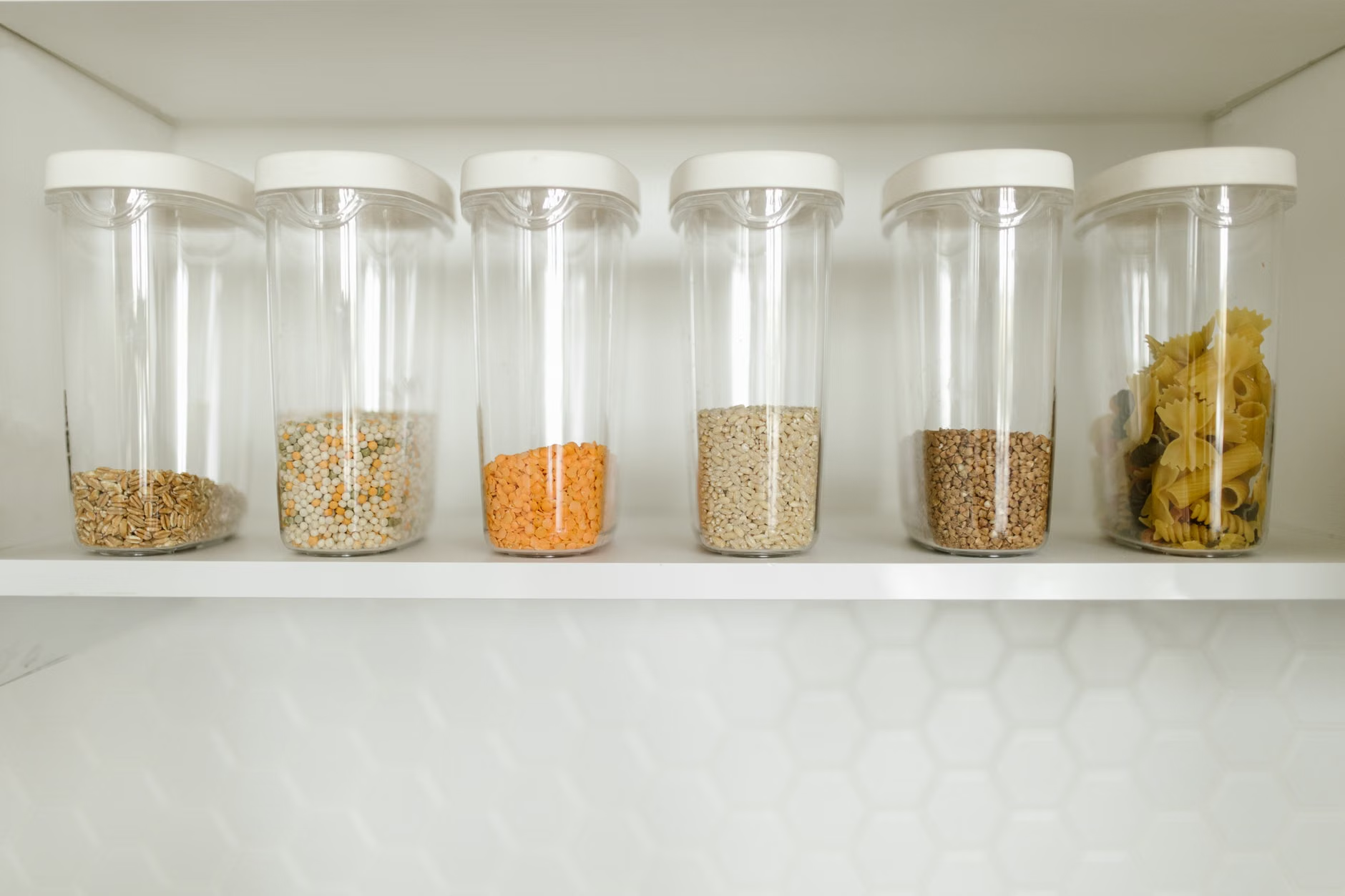
| Legumes | The cornerstone of longevity. | Keep canned chickpeas, black beans, and lentils on hand. Add them to soups, pasta sauces, or salads. |
| Whole Grains | Unprocessed, fiber-rich. | Swap white rice for quinoa or farro. They cook in similar timeframes and offer much higher satiety. |
| Greens | Daily intake is mandatory. | Buy pre-washed bags of kale or spinach. Throw a handful into whatever you are already cooking. |
| Nuts/Seeds | Daily healthy fat source. | Keep a jar of walnuts or almonds on the counter. It’s a 0-prep snack for you and the kids. |
Why does this matter? Fiber is the secret weapon of the Blue Zones. Most of us are severely fiber-deficient, which leads to blood sugar spikes, energy crashes, and erratic hunger. By prioritizing these four categories, you are essentially “pre-loading” your body with the fuel it needs to stay stable throughout the day. If you are rushing out the door, a handful of nuts and an apple is a more “Blue Zone” meal than a store-bought protein bar filled with processed fillers and artificial sweeteners.
The “Social Table”: Reclaiming Your Mealtime
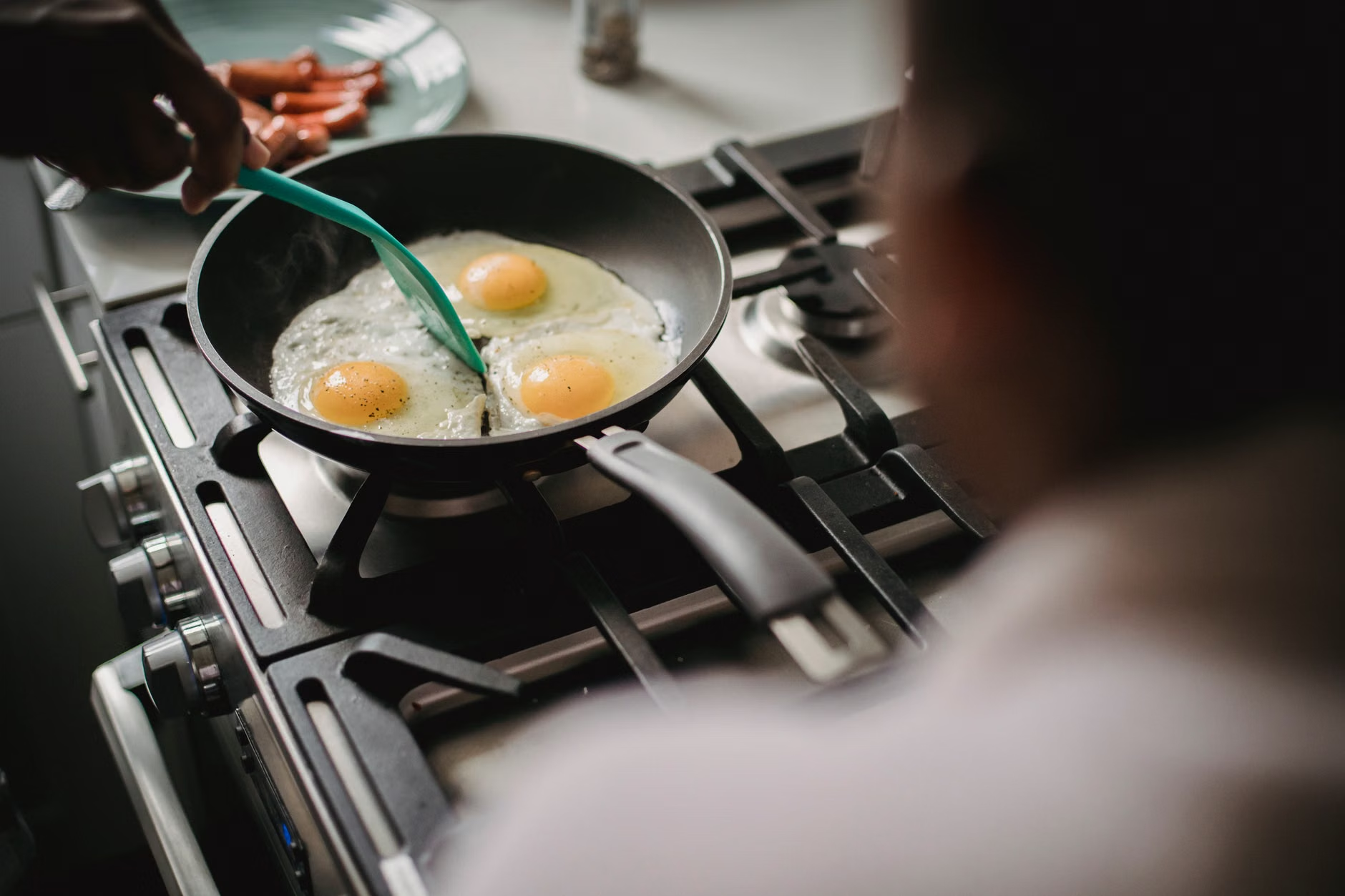
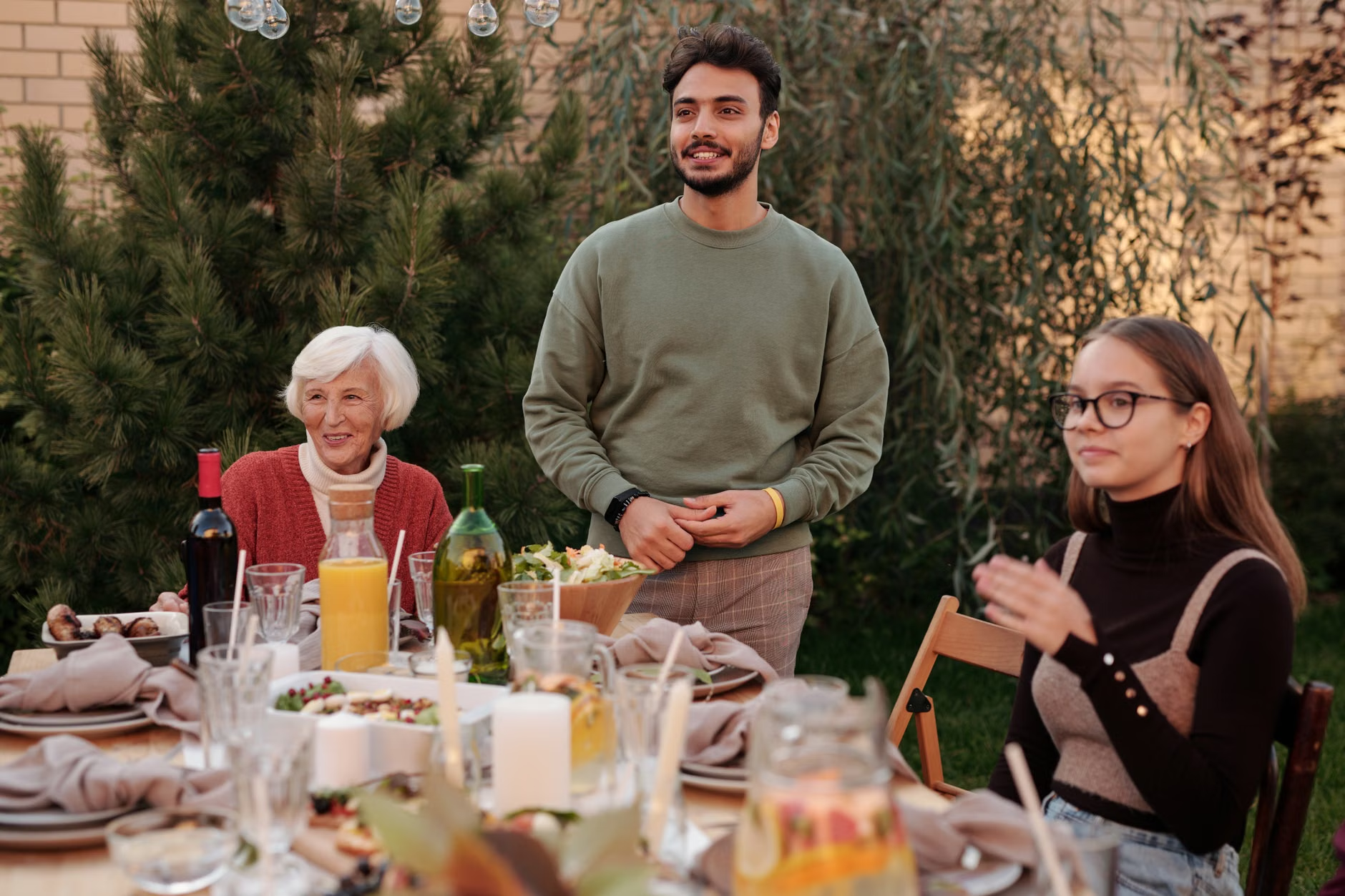
In our modern, high-speed culture, we often treat eating as a task to be checked off. We eat in the car, at our desks, or while scrolling through emails. Research into the world’s longest-lived populations consistently shows that how we eat is just as important as what we eat. In Sardinia, the “social hour” is sacred. In Okinawa, they practice “Hara Hachi Bu,” which means eating until you are 80% full.
For a parent in their 30s or 40s, this sounds like a luxury. But the reality is that the “social table” is a stress-reduction tool. When you sit down to eat—even if it’s just for 15 minutes—you are signaling to your nervous system that it is time to transition from “fight or flight” mode into “rest and digest.”
Here is a practical decision rule for your family:
- The 15-Minute Rule: Commit to 15 minutes of seated, screen-free time at the table. If you don’t have time for a full meal, have a snack together. The goal is the connection, not the culinary complexity.
- The “80% Full” Check-in: Before taking a second helping, pause for 60 seconds. Ask your children (and yourself) if you are still hungry or just eating out of habit. This builds “interoceptive awareness”—the ability to listen to your body’s signals.
- The “Shared Prep” Ritual: If you are struggling with time, involve the kids in the “prep.” Washing vegetables or tearing kale takes zero culinary skill but creates a sense of ownership over the food, making children significantly more likely to try new things.
The “unexpected” benefit here is the reduction in mealtime battles. When the table is a place of conversation rather than a place of “finish your broccoli or no dessert,” the psychological resistance to healthy food evaporates. You are shifting the focus from the food to the experience.
Common Misconceptions and the “Hidden” Costs of Modern Convenience
There is a massive industry built on telling parents that healthy eating is expensive and time-consuming. This is a myth. The most expensive items in your grocery store are generally the most processed—the pre-made frozen meals, the packaged snacks, and the specialized “health” foods. Blue Zone staples like beans, oats, seasonal vegetables, and tubers are consistently the most affordable items in the store.
A common mistake is thinking you need to buy “organic everything.” While organic is great if your budget allows, the priority should be the volume of plants, not the certification. If the choice is between no vegetables or non-organic vegetables, always choose the non-organic vegetables. The health benefits of the fiber, phytonutrients, and vitamins far outweigh the marginal risks of pesticide exposure.
Another misconception is that the “Blue Zone” diet is strictly vegetarian. While it is 95% plant-based, it is not strictly vegan. The key is in the frequency of animal protein. If your family eats meat, try to limit it to a side dish or a “special occasion” food rather than the centerpiece of every meal. Think of meat as a “condiment” rather than a “main.” This shift alone will likely save you significant money on your weekly grocery bill, which you can then reallocate to higher-quality produce or family activities.
Actionable Steps for the “Time-Poor” Household
You don’t have to overhaul your life in a weekend. In fact, that is the fastest way to fail. The Blue Zone philosophy is built on small, incremental changes that eventually become the “default” state of your household. Here is how to start this week:
- Audit Your Pantry: Take 10 minutes to move your legumes and grains to the front of the shelf. If you can see them, you will use them. If they are buried behind boxes of crackers, they will expire in the dark.
- Identify Your “Bridge” Meals: Choose two meals during the week that are already “plant-leaning.” Maybe it’s a bean chili or a vegetable stir-fry. Standardize these. When you don’t have to think about what to cook, you are less likely to order takeout.
- The Sunday “Wash and Chop”: This is the only “prep” I recommend. Wash your greens and chop your carrots/celery the moment you get home from the store. Having “ready-to-go” plant foods in the fridge is the difference between a healthy snack and a bag of chips at 4:00 PM.
- Normalize the “No-Cook” Meal: Some nights, dinner is just a board of hummus, whole-grain crackers, raw veggies, olives, and a side of fruit. It’s a Mediterranean-style meal that takes three minutes to assemble. Don’t feel pressured to turn on the stove every single night.
Remember, the goal is not perfection; it is longevity. You are playing the long game. Every meal that is plant-forward is a deposit into your health bank account. If you miss a day, don’t worry. The Blue Zones aren’t about rigid adherence; they are about the general trend of your habits over a lifetime.
Why This Matters for Your Next 30 Years
When you are in your 30s and 40s, it is easy to feel invincible. But the choices you make now are the foundation for how you will feel in your 60s and 70s. The Blue Zone approach is the ultimate insurance policy. It protects your heart, regulates your blood sugar, and keeps your gut microbiome diverse—all while keeping your stress levels manageable.
The most important takeaway is that you have the power to create a “Blue Zone” in your own home. It isn’t found in a specific zip code; it’s found in the pantry staples you choose, the way you sit down to eat, and the way you prioritize your family’s connection over the convenience of a screen. Start by adding one extra serving of beans to your dinner tonight. It’s a small step, but it’s the direction that matters.
Frequently Asked Questions
1. Can I really eat pasta and bread on a Blue Zone-inspired diet?
Yes, but the type matters. In places like Sardinia, they consume sourdough bread and whole-wheat pasta. The key is that these are traditionally fermented or made from ancient, unrefined grains. The problem isn’t the carbohydrate; it’s the ultra-processed, refined flour found in most commercial bread. Look for authentic sourdough or 100% whole-grain options.
2. How do I get my kids to eat more beans and greens?
The “exposure” technique is your best friend. Don’t force them to eat a bowl of kale. Blend it into a smoothie with fruit, mix finely chopped spinach into a tomato-based pasta sauce, or roast chickpeas with spices until they are crunchy like popcorn. The goal is to make the “healthy” food a normal, non-negotiable part of the flavor profile, not a “chore” they have to endure.
3. Is it expensive to eat this way?
Actually, it is often cheaper. Meat and dairy are the most expensive items in a grocery budget. By shifting the focus to pulses (beans, lentils, chickpeas), grains, and seasonal vegetables, you are choosing the most budget-friendly food groups. The “hidden cost” is the time spent on preparation, which is why the “wash-and-chop” strategy is so vital for busy parents.
For further reading and evidence-based insights on Blue Zone lifestyles, you can explore the official resources provided by the Blue Zones project: https://www.bluezones.com/. They offer excellent, science-backed guidance on the “Power 9” principles that extend far beyond just nutrition.