The smartest way to enjoy a coastal vacation is to bypass the peak summer rush entirely, as traveling during the “shoulder season” can slash your accommodation and transport costs by up to 40% while providing a significantly more relaxed environment for your family.
- The 40% Rule: Booking just two weeks outside of the local school holiday peak often results in a 30-40% reduction in nightly rates for vacation rentals and hotels.
- Micro-Climate Awareness: Coastal weather is more volatile in the off-season; checking local historical wind and rainfall data is more important than checking a generic 7-day forecast.
- The “Closed Shop” Reality: Off-peak travel requires a shift in expectations—many local seasonal businesses may operate on reduced hours or remain closed, making self-sufficiency essential.
If you are in your 30s or 40s, you probably remember the “classic” family summer vacation: fighting for a square meter of sand, waiting 45 minutes for a table at a mediocre seafood restaurant, and paying double for a cramped hotel room. When you are balancing work, household management, and parenting, that version of a “vacation” often feels more like a logistical nightmare than a break.
The shift toward off-peak, or “shoulder season” travel, isn’t just about saving money. It is about reclaiming your time and sanity. By choosing to visit coastal destinations in the weeks just before or after the primary summer tourist surge, you trade peak-season heat and chaos for mild weather, lower prices, and a more authentic local experience. But this transition requires a different set of rules.
Defining the Shoulder Season: More Than Just “Not Summer”
Many travelers make the mistake of assuming that “off-peak” simply means “any time it isn’t July or August.” This is a dangerous oversimplification. In the travel industry, the shoulder season is defined by the transition between the high-demand period and the low-demand period. Depending on your destination, this window usually falls between late April to early June, or September to mid-October.
Why does this timing matter? Because the travel infrastructure is designed to scale up for the summer. By visiting in the shoulder season, you are catching the destination when it is “waking up” or “winding down.”
The Operational Reality:
- Late Spring (The “Waking Up” Phase): The air might be crisp, and the ocean temperature is usually colder, but the foliage is lush, and local staff are refreshed and attentive.
- Early Autumn (The “Winding Down” Phase): The ocean has been warmed by the summer sun, making the water temperature ideal. However, some seasonal tourist attractions might have already shuttered for the year.
For a family, the decision between spring and autumn often comes down to the activity focus. If you want to spend hours in the water, aim for September. If you prefer hiking, sightseeing, and coastal walks, late May or early June is often superior.
The Financial Advantage: Why You Save More Than Just the Hotel Bill
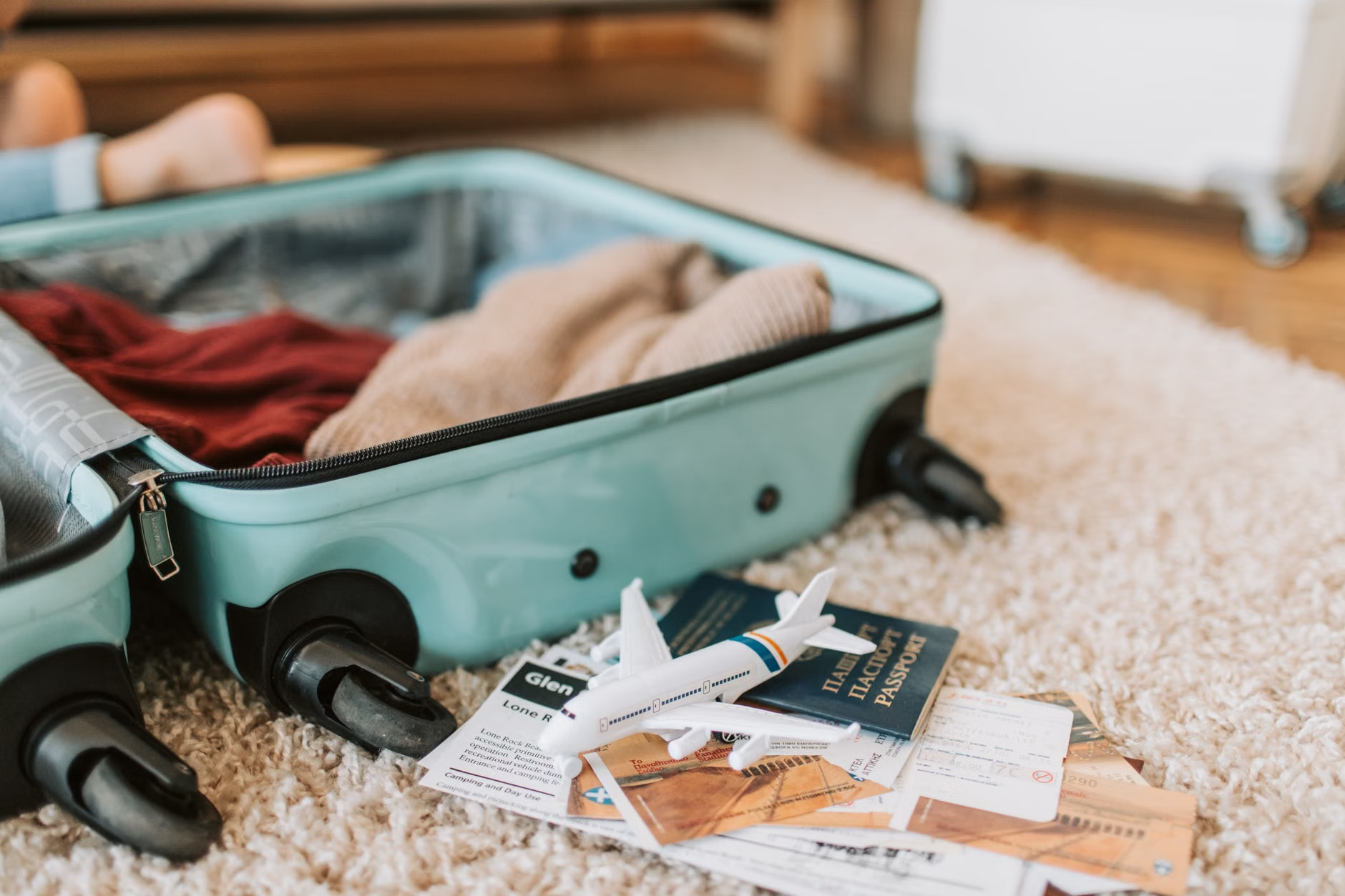
The most immediate benefit of off-peak travel is cost. It is common to see dynamic pricing models where a two-bedroom apartment near the beach costs $400 per night in July but drops to $220 in late September. But the savings ripple outward.
| Expense Category | Peak Season | Off-Peak (Shoulder) |
|---|---|---|
| Accommodation | Premium (100%+) | Discounted (60-70%) |
| Transportation | High demand, surge pricing | Stable, off-peak rates |
| Dining/Activities | Wait times, reservation-only | Walk-ins, local discounts |
However, you must account for the “hidden costs” of the off-season. Because tourist-facing businesses often close, you might find yourself needing to drive further for a grocery store or a specific type of restaurant. Always map out your essential services—grocery stores, pharmacies, and urgent care clinics—before booking. If a destination is entirely dependent on summer tourism, ensure your accommodation has a functional kitchen, as local dining options may be extremely limited.
One of the biggest concerns for parents planning an off-peak trip is the weather. While we all dream of endless sunshine, the shoulder season is inherently more unpredictable. In many coastal regions, this is when storm patterns shift.
The Strategy: Do not rely on generic national weather forecasts. Instead, look for regional “climate data” sites. For example, if you are heading to the Mediterranean or the US Atlantic Coast, search for “historical average wind speed [Month]” rather than just temperature. Wind is often the silent killer of beach days, even if the air temperature is a pleasant 22°C (72°F).
Decision Criteria for Weather:
- The “Backup Plan” Rule: Never book an accommodation that doesn’t have an indoor activity area or a comfortable living space. If you are stuck inside for 48 hours due to a storm, a tiny studio apartment will turn a “relaxing break” into a high-stress parenting challenge.
- Flexible Packing: Pack for layers, not for a single temperature. Even if the forecast looks warm, coastal nights in the shoulder season can drop significantly. Invest in high-quality windbreakers, which take up minimal space and provide maximum protection against coastal breezes.
Managing Expectations: The “Closed Shop” Phenomenon
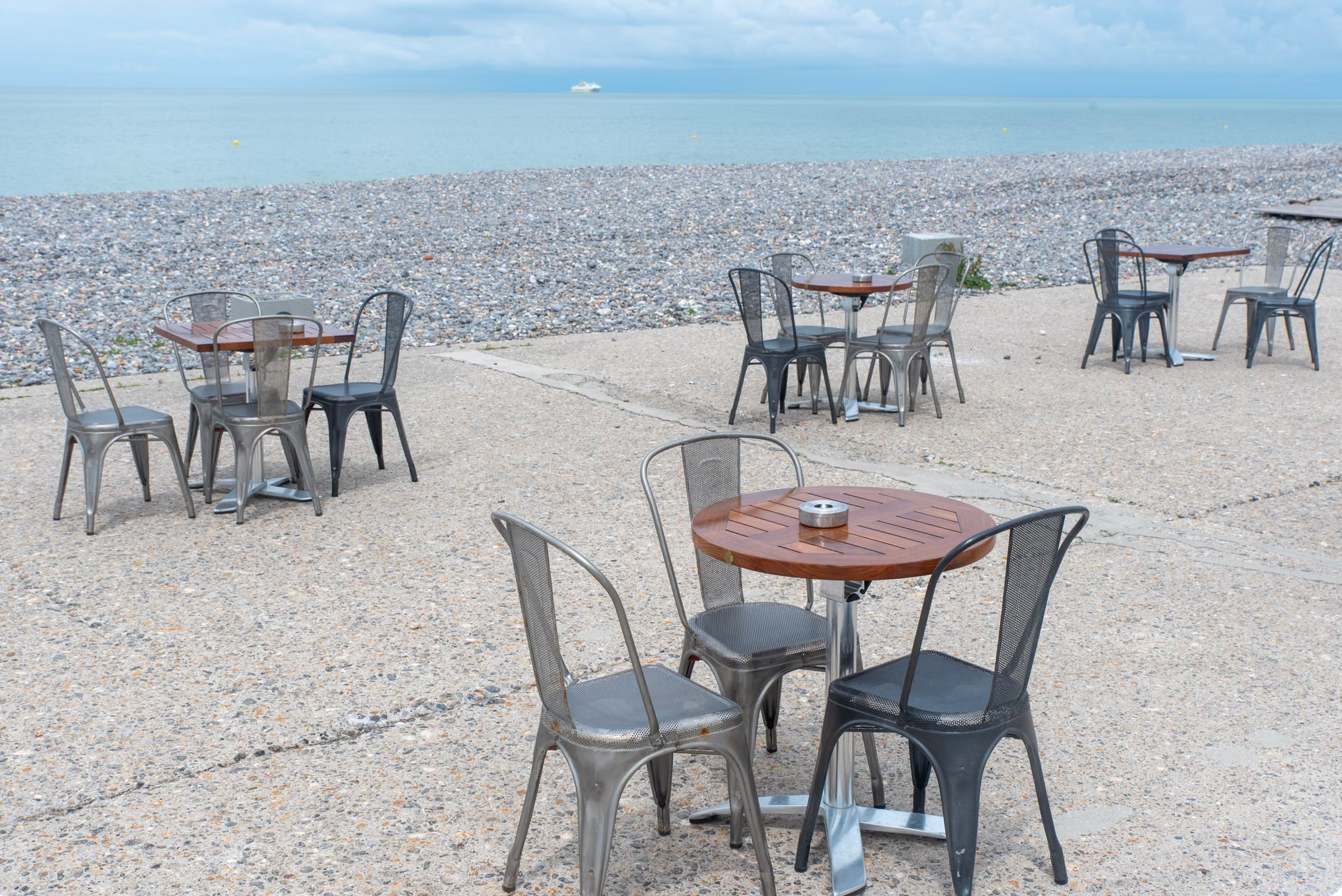
If you visit a coastal town in the off-season, you will notice something immediately: the pace is different. The “tourist hum” is gone. This is a blessing for those who want to avoid crowds, but it can be a shock for families who expect 24/7 service.
In many popular coastal destinations, the local economy operates on a “seasonal cycle.” By late September, many family-run businesses decide it is time to close for the winter. You might find that the local ice cream shop, the water sports rental station, or the specific excursion boat you wanted to take is no longer operating.
How to handle this:
- Contact the Host: If you are booking a rental (like an Airbnb or a local villa), ask the host specifically: “What percentage of local cafes and shops remain open in our selected week?”
- Focus on Nature, Not Entertainment: Choose destinations where the primary draw is the landscape—coastal parks, hiking trails, or historical sites—rather than destinations built around “tourist traps” like water parks or seasonal boardwalk arcades. These will remain open and are often more enjoyable when you aren’t fighting for space.
- Embrace the Local Rhythm: The best part of off-peak travel is seeing the destination as the locals do. You get to interact with shopkeepers who aren’t stressed by a line of 50 people, and you get to see the local culture without the filter of mass tourism.
Logistics for the Modern Parent: Packing and Prep
Traveling with children in the off-season requires a more tactical approach to packing. Since you are likely dealing with more variable weather and fewer open stores, you cannot rely on “picking up whatever we need when we get there.”
The “Self-Sufficiency” Checklist:
- First Aid & Essentials: Because local pharmacies might have reduced hours or limited stock compared to the summer months, bring a comprehensive first aid kit. Include basics like antihistamines, fever reducers, and any specific medications your family uses.
- Food Strategy: Assume that the best-rated restaurants will be closed or operating on reduced hours. Having a plan for simple, healthy meals that can be prepared in your accommodation is a stress-saver.
- Entertainment: Pack more “indoor” entertainment than you think you need. Tablets are fine, but include physical books, card games, or craft supplies. When the beach is too windy or rainy, these items become your primary tools for keeping the peace.
Choosing the Right Destination: A Framework
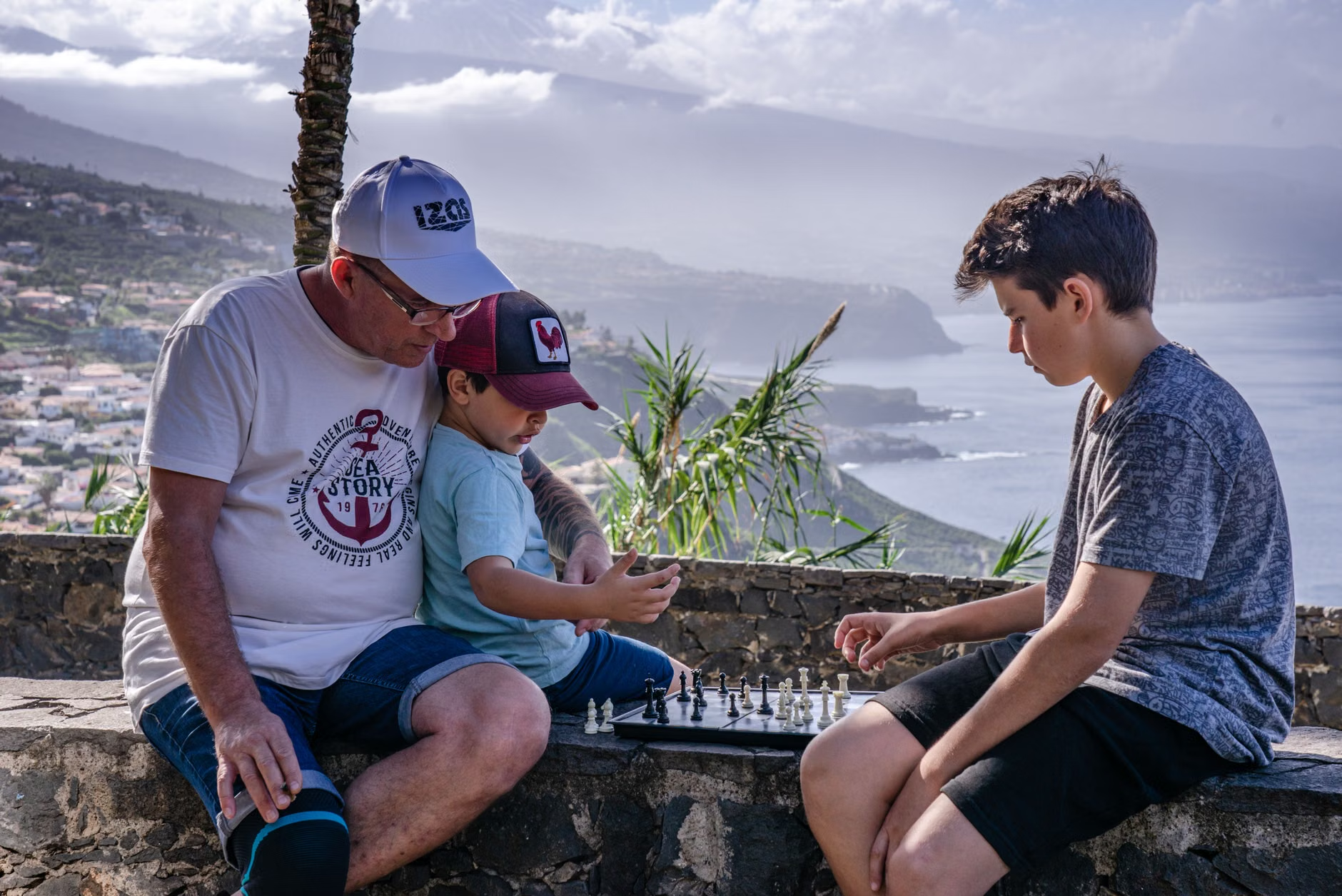
Not all coastal destinations are created equal for off-peak travel. Use this framework to evaluate whether a location is right for your family.
1. The “Resident Population” Test: Does the town have a permanent, year-round population? If the town is essentially a “resort village” that empties out entirely in the winter, it will feel desolate and potentially unsafe in the off-season. If it is a real town with schools, a post office, and a year-round grocery store, it will feel vibrant even in the shoulder season.
2. Accessibility: Does the destination rely on seasonal transport? For instance, some islands in the Mediterranean or the Pacific Northwest have ferry schedules that change drastically after Labor Day or mid-September. Always check transport links for your specific dates, not just the general schedule.
3. Activity Diversity: Can you do things other than sit on the sand? If your destination is 100% dependent on beach weather, you are playing a high-stakes gamble with your vacation time. Choose locations that offer a mix of coastal access and inland activities, such as local museums, forest trails, or historic towns.
The Hidden Trade-Off: What Nobody Tells You
There is one reality of off-peak travel that rarely makes it into the glossy brochures: the maintenance cycle. Because the shoulder season is quiet, this is when local businesses and municipalities choose to do construction and maintenance.
You might find a beautiful seaside promenade partially blocked off for repairs, or a local museum undergoing renovations. This is rarely a deal-breaker, but it is a common frustration. A quick check of the local tourism board’s website for “planned events or closures” can save you from arriving at a site only to find it covered in scaffolding.
Furthermore, expect a “slower” service level. In the summer, businesses are staffed to the gills to handle the volume. In the shoulder season, they are often running with a skeleton crew. This isn’t a negative—it is just reality. If you are the type of traveler who gets frustrated by a 15-minute wait for coffee, you may need to adjust your mindset to match the slower, more deliberate pace of the off-season.
Final Recommendations for Your Next Trip
If you have been feeling the pressure of “peak season” burnout, the shoulder season is your best tool for reclaiming the family vacation. It allows you to slow down, save money, and actually connect with the places you visit.
Your Action Plan:
- Identify your dates: Look at the school calendar and aim for the 10-14 day window immediately following the return-to-school date in your region. This is the “sweet spot” where demand drops, but weather is still holding.
- Filter by “Year-Round” locations: Avoid purpose-built resorts. Look for towns with a history and a local population.
- Book for comfort: Prioritize accommodation with a kitchen and a comfortable living space.
- Prepare for the weather: Check historical wind and rainfall data for the specific region.
Off-peak travel is a shift in perspective. It moves the goalposts from “doing everything and seeing everything” to “experiencing a place as it actually exists.” For parents in their 30s and 40s, this is often exactly the kind of rest that is required. It is not about avoiding the world; it is about finding a way to enjoy it on your own terms, without the noise.
Useful Resources for Planning:
- Weatherbase: An excellent resource for checking historical climate data for specific coastal regions.
- Tourism Watch: Provides insights into sustainable and local tourism impacts, helping you choose locations that aren’t just “tourist factories.”
- Google Travel: Use the “Explore” feature with date filters to compare pricing trends across different coastal regions in your target month.
Frequently Asked Questions
1. Is it safe to swim in the ocean during the shoulder season?
Generally, yes, but you must be aware of two things: water temperature and lifeguard presence. In many regions, lifeguard services are strictly seasonal and end by early September. If you are swimming in the off-season, you are often doing so at your own risk. Always check local water quality reports and be aware that currents can be different when the beach is less populated.
2. How do I find out if local businesses will be open?
The best method is to look at the Google Maps listing for key attractions and restaurants in the area. If they are seasonal, they will often list their “operating season” in the business description. If in doubt, a quick email to the local tourism office or the host of your accommodation is the most reliable way to get an answer.
3. Will I get bored if there are no tourist activities?
If your definition of a vacation is “constant stimulation,” then perhaps. But most families find that the “boredom” of the off-season is actually a relief. It creates space for unstructured play, long walks, and actual conversation. If you are worried, choose a location that offers at least one “anchor” activity—like a historical site or a nature reserve—that stays open year-round.