- The Financial Reality: Rental subscriptions are rarely cheaper than buying used toys, but they save significantly on storage space and the mental load of decluttering.
- The “Hidden” Trade-off: You must account for shipping logistics and the anxiety of losing small parts; subscriptions work best for families who value floor space over permanent ownership.
- Decision Rule: Use rental services for high-cost, short-lifecycle “stage-based” toys (like Montessori activity centers), but continue to buy durable, timeless staples (like LEGO or classic blocks) outright.
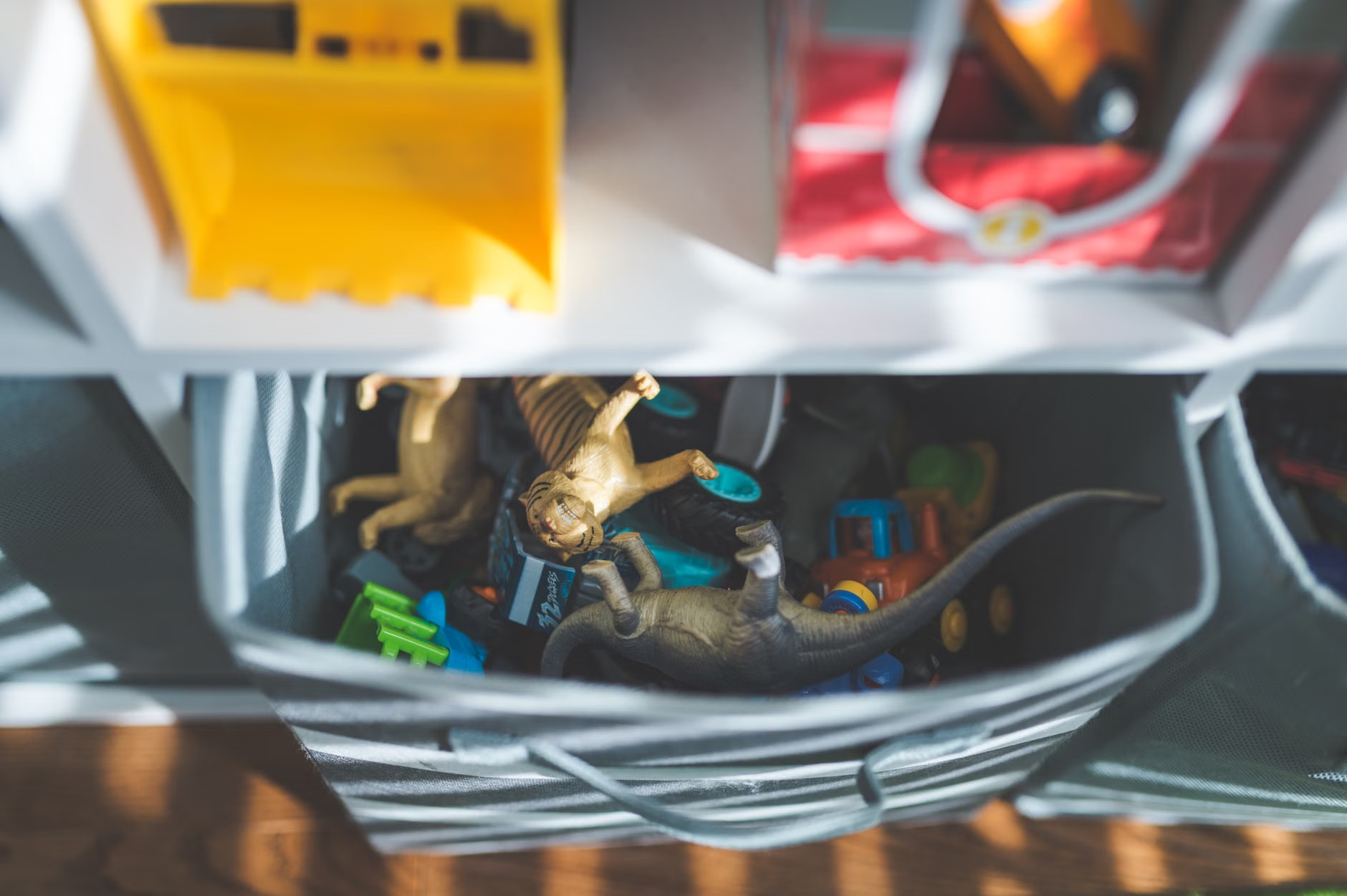
If you are a parent in your 30s or 40s, you likely know the specific, sharp pain of stepping on a plastic building block in the middle of the night. Or perhaps it’s the frustration of looking at a toy box that is overflowing with items your child played with exactly once before losing interest forever. We are currently living through the “toy crisis”—a cycle of buying, storing, tripping over, and eventually donating mountains of plastic that our children have outgrown in a matter of weeks.
The rise of the “circular-economy” toy rental platforms—companies that operate on a subscription basis, sending you a curated box of toys and allowing you to swap them out as your child develops—promises a solution. But is this just another subscription service to add to your monthly overhead, or is it a genuine lifestyle shift that makes parenting easier? Let’s break down the reality of renting versus owning.
How the Circular Toy Economy Actually Functions
At its core, a toy rental subscription is a logistics-heavy service. You pay a monthly or quarterly fee, and in return, the company sends you a box of age-appropriate toys. When your child is ready for a change, you pack them back up, use a prepaid label, and receive a new batch. It sounds frictionless, but there is a significant operational machine behind this that you, as the user, need to understand to make it worth your while.
Most of these platforms, such as Lovevery (for early development kits), Tiny Earth Toys, or local library-based services, operate on the principle of “access over ownership.” The idea is simple: children have developmental windows that are often only 3 to 6 months long. By the time they master a specific puzzle or motor-skill toy, they are ready for something more complex. Instead of keeping that toy for years in a closet, you pass it back into the “circle” to be cleaned, sanitized, and sent to another family.
For the parent, this means you are essentially outsourcing the curation of your child’s development. Instead of scouring Amazon reviews for “best Montessori toys for 18-month-olds,” you are trusting an algorithm or a team of child development experts to send you the right items at the right time. This is a massive time-saver, but it requires you to relinquish control over exactly which toys enter your house.
The Financial Comparison: Rental vs. Ownership
One of the most common misconceptions is that renting is always cheaper. If you compare the monthly subscription fee to the price of a generic plastic toy from a big-box retailer, renting will almost always look more expensive. However, that is a flawed comparison.
To get a true picture of the cost, you must compare the subscription against the cost of buying high-quality, sustainable, or educational toys that you would otherwise purchase to achieve the same developmental goals. If you are the type of parent who buys high-end, wooden, or STEM-focused toys, rental services often cost roughly 30% to 50% less than the retail purchase price of those same items over the course of a year.
| Factor | Buying Outright | Rental Subscription |
|---|---|---|
| Upfront Cost | High (per item) | Low (monthly recurring) |
| Storage Needs | High (permanent clutter) | Low (temporary cycle) |
| Emotional Value | High (sentimental attachment) | Low (utilitarian usage) |
| End-of-Life | Donation/Landfill | Returned/Sanitized |
The financial “hidden cost” that many parents overlook is the loss of small pieces. Rental companies have strict policies regarding missing parts. If your child loses a wooden peg from a 50-piece puzzle, you are often charged a fee or, in some cases, the full replacement cost of the set. If you have a child who loves to scatter pieces throughout the house, this subscription model can quickly become a source of anxiety rather than a convenience.
The Psychological Shift: The “Minimalist” Parenting Advantage
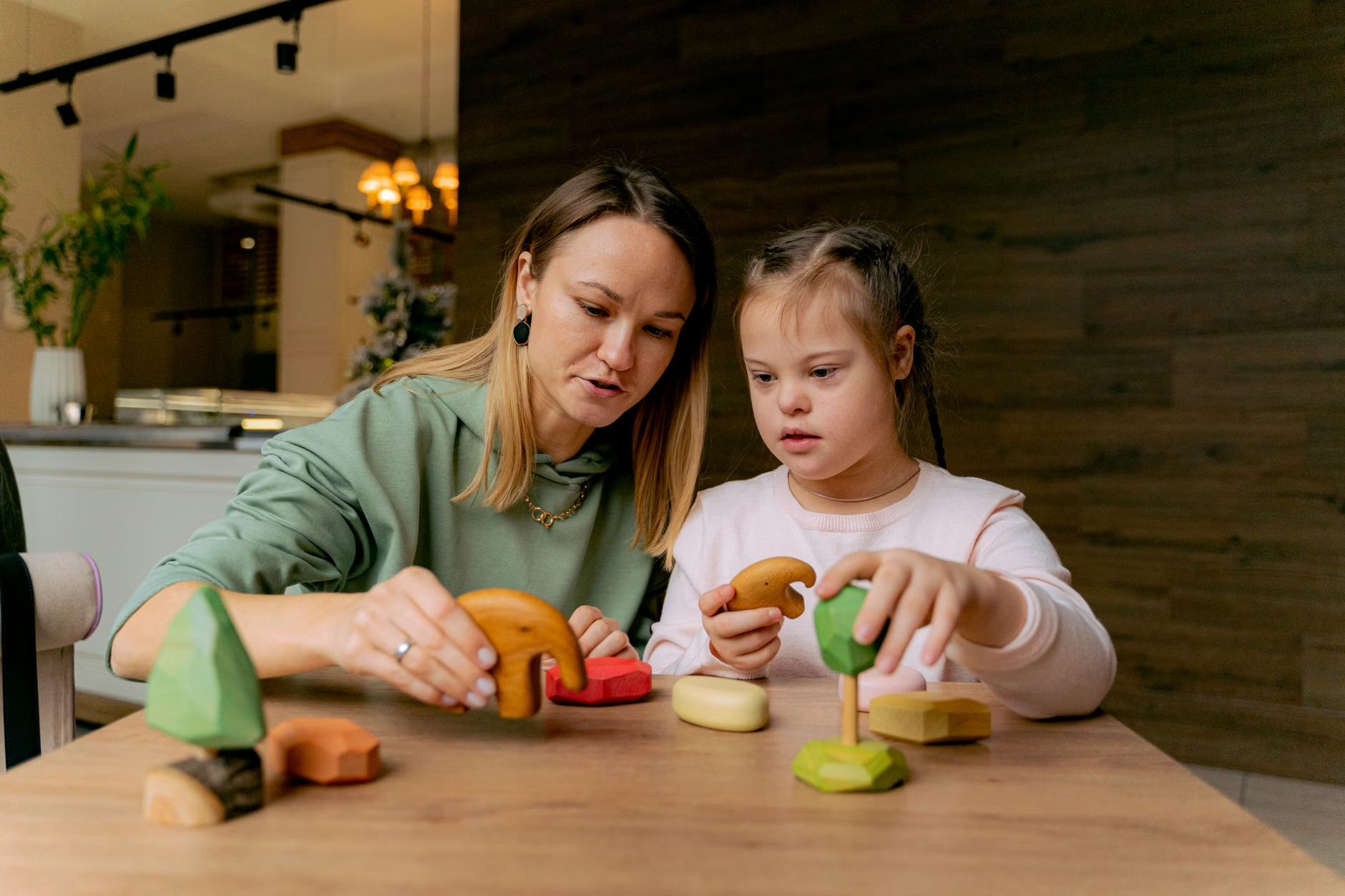
Beyond the dollars and cents, the most significant benefit of the circular economy for parents in their 30s and 40s is the reduction of “decision fatigue.” We are bombarded with marketing telling us that our children need specific toys to hit developmental milestones. This leads to over-purchasing, which in turn leads to the dreaded “clutter-anxiety.”
When you have fewer toys, research consistently shows that children actually play longer and with more focus. This is known as the “choice overload” phenomenon. By rotating toys via a rental service, you are essentially curating a “limited edition” environment for your child. They have access to a focused set of materials for a month, they master them, and then they are replaced. This keeps the environment fresh without increasing the physical footprint of the toys in your living space.
However, there is a trade-off: your child may develop a favorite toy that they aren’t ready to return. This is the moment where many parents break the “circular” rule and end up buying the toy anyway, which leads to a hybrid model. This is perfectly fine, but you should budget for these “buy-outs” when you sign up for a service.
When to Rent vs. When to Buy: A Strategic Framework
Not every toy belongs in a rental box. To manage your household inventory effectively, apply this simple decision matrix to your shopping habits:
1. High-Cost, Short-Use Items: Rent
Examples include developmental activity tables, complex wooden walkers, or specialized sensory kits. These items are bulky, expensive, and usually only useful for a 3-month window. Renting these saves space and money.
2. Durable, Open-Ended Staples: Buy
Items like high-quality wooden blocks, LEGO sets, or magnetic tiles are “forever” toys. They don’t have a specific developmental window and they grow with the child. Renting these makes little sense because you will want them in your house for years. Buy these used or new and keep them as your “permanent collection.”
3. Consumable or High-Germ Items: Buy
If your child is in a stage where they put everything in their mouth, or if you are concerned about the logistical reality of how thoroughly a company sanitizes their inventory, you may prefer to buy these items. While most rental companies use hospital-grade cleaning protocols, some parents prefer the peace of mind of brand-new, non-shared items for infants.
Common Pitfalls and How to Avoid Them
If you decide to jump into the circular economy, don’t go in blindly. Here are the three most common mistakes parents make, and how you can avoid them:
Mistake 1: The “Everything” Subscription. Do not try to rent every single toy your child touches. You will end up with multiple boxes arriving and leaving, creating a logistical headache. Pick one reliable platform and use it to supplement your existing toy collection, not replace it entirely.
Mistake 2: Ignoring the Shipping Cycle. Most platforms operate on a schedule. If you are going on vacation or if your child is going through a busy period, you might find yourself with a box of toys you don’t have time to play with. Check if your provider allows for “pausing” your subscription. A good platform should allow you to skip a month without penalty.
Mistake 3: The Missing Part Anxiety. Before you even open the box, create a designated “rental zone” in your home. Use a specific basket or bin where these toys must stay. If a piece goes missing, you are prepared to look for it immediately rather than discovering it three months later when the return deadline is looming.
Sustainability: Is It Actually Greener?
We often talk about the “circular economy” as a win for the environment. It is, but with a caveat: shipping. The carbon footprint of shipping a box of toys back and forth across the country is not zero. If you are truly motivated by environmental impact, look for local toy libraries or regional rental services that minimize transport distances.
If your choice is between buying cheap, mass-produced plastic toys that are destined for the landfill in six months, or participating in a national rental program, the rental program is almost certainly the more sustainable choice. However, the most sustainable toy is often the one that already exists in your local community. Check if your neighborhood or city has a non-profit “toy library” before signing up for a commercial subscription.
The Verdict: Is It Worth Your Time?
For the parent who values floor space, hates the mental load of organizing, and wants to support child development without turning their home into a warehouse, toy rental platforms are a game-changer. They aren’t a “cheap” alternative to buying toys, but they are a high-value alternative to the chaos of modern consumerism.
If you are the type of person who enjoys the hunt for the perfect toy on secondary marketplaces like Facebook Marketplace or Vinted, you might find subscriptions too restrictive. But if you are busy, tired, and looking for a way to simplify your home environment, the monthly fee is essentially a “convenience tax” that pays you back in reclaimed space and sanity.
Start with a trial period. Most companies offer a discount on your first box. Treat it like a test run: can you manage the return process? Does your child actually engage with the items? If the answer is yes, you’ll likely find that you never want to go back to the world of buying and storing plastic, only to discard it a year later.
Frequently Asked Questions
What happens if my child breaks or loses a toy?
Most rental companies have a “damage and loss” policy built into their terms. Minor wear and tear, such as paint chips or light scratches, is usually expected and covered by your subscription fee. However, if a toy is destroyed beyond repair or a significant number of pieces are lost, you will typically be charged a replacement fee. Always read the specific “Terms of Service” regarding missing parts before signing up.
Are these toys actually clean and safe?
Yes, reputable rental platforms follow strict hygiene protocols. They generally use non-toxic, eco-friendly cleaning agents and industrial-grade sanitization processes that exceed what you would do at home. If you are particularly concerned, check the FAQ section of the specific company—they almost always detail their sanitization process, which often involves high-temperature steam or UV-C light sterilization.
Can I keep the toys I like?
In almost every case, yes. Most platforms offer a “buy-out” option. If your child falls in love with a particular item, you can choose to keep it and pay a discounted price, effectively purchasing it from the service. This is a great way to ensure you only end up owning toys that truly have long-term value for your family.
For further research on the environmental impact of the circular economy, see the Ellen MacArthur Foundation, which provides comprehensive data on how circular business models reduce waste. Always check the specific return policies of your chosen provider as they vary significantly by region and company.