- Quality over Quantity: Quiet-luxury parenting prioritizes high-quality, durable items and meaningful experiences over a high volume of plastic toys or excessive scheduled activities.
- The Power of ‘No’: Protecting your family’s time and mental space is the ultimate luxury; curating your schedule is as important as curating your home.
- Focus on Engagement: True luxury in parenting is the gift of undivided attention, which is often diluted by the clutter of modern, hyper-consumerist lifestyle expectations.
The most profound shift you can make in your parenting journey today isn’t about buying the latest developmental gadget or enrolling your toddler in their fourth extracurricular activity. It is the transition from a mindset of abundance—where more is perceived as better—to a mindset of focus. This is what we are calling ‘Quiet-Luxury Parenting.’
If you are in your 30s or 40s, you are likely feeling the weight of the ‘everything’ era. You are bombarded with social media images of perfectly curated playrooms, high-end educational kits, and the constant pressure to provide every possible advantage. But here is the reality: the more you add to your child’s environment, the more you dilute their ability to focus, create, and find satisfaction in the simple things. Quiet-luxury parenting is about stripping away the noise to reveal what actually matters: deep connection, intentional play, and the freedom of a less-cluttered childhood.
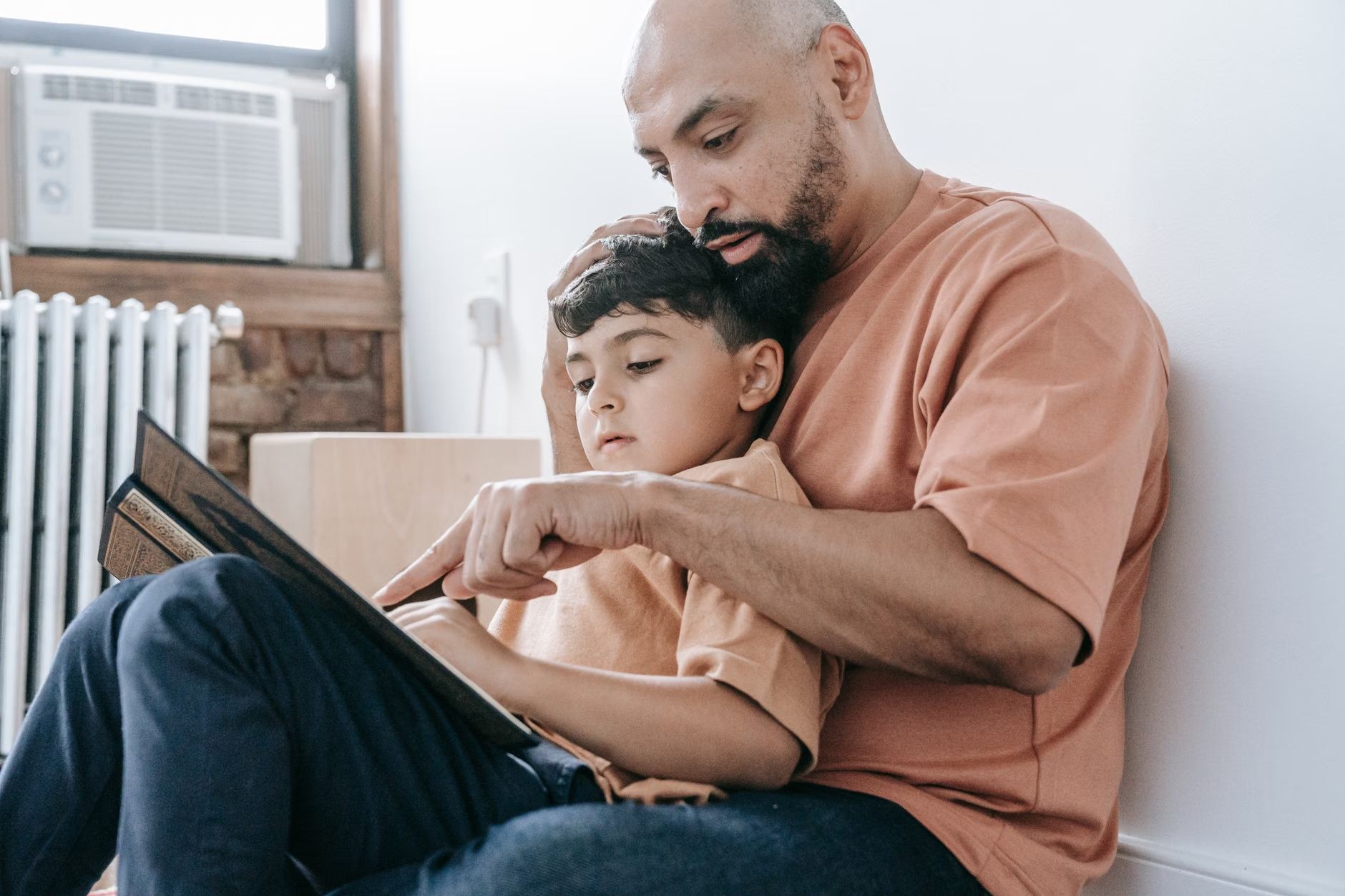
The Philosophy of ‘Quiet Luxury’ Applied to the Nursery and Beyond
In fashion, ‘quiet luxury’ refers to an aesthetic that favors quality, craftsmanship, and timelessness over flashy logos and fleeting trends. When we apply this to parenting, we are essentially rejecting the ‘disposable’ culture that has dominated the industry for the last decade. It is not about spending more money; it is about spending money—and time—differently.
Most modern parents fall into the trap of ‘optimization.’ We want to optimize our child’s brain development, their physical health, and their social skills. We buy the subscription boxes, the specialized gear, and the expensive memberships. However, research into cognitive load suggests that children, much like adults, struggle to process information when they are overwhelmed by sensory input. A room filled with 50 plastic toys is not a playground; it is a distraction factory.
Quiet-luxury parenting is the antidote. It is about creating an environment where the items that remain are meaningful, durable, and invite open-ended play. It is a shift from ‘What can I buy to keep them busy?’ to ‘What can I provide that will spark their curiosity?’
The Economics of Less: Why High-Quality Lasts Longer
Let’s look at a concrete example: the ‘toy rotation’ model. Many parents buy a constant stream of low-cost toys. These break, lose pieces, and eventually end up in a landfill. From a financial perspective, you are spending a significant amount of money over several years on items that offer decreasing returns in engagement.
In contrast, investing in a few high-quality, open-ended items—such as high-grade wooden blocks, a sturdy climbing triangle, or a set of high-quality art supplies—costs more upfront but lasts for years. These items grow with your child. A set of blocks is a construction set for a two-year-old, a base for a marble run for a five-year-old, and a complex architectural tool for an eight-year-old. This is the essence of quiet luxury: items that hold value, encourage development, and reduce the need for constant replenishment.
| Feature | Abundance Approach | Quiet-Luxury Approach |
|---|---|---|
| Inventory | High volume, plastic-heavy, trend-driven | Low volume, durable, heirloom quality |
| Engagement | Passive, short-lived interest | Active, open-ended, developmental |
| Budgeting | Frequent, small, impulsive costs | Occasional, higher-tier, planned investment |
| Outcome | Cluttered space, overwhelmed child | Calm environment, deep focus |
Curating Your Child’s Schedule: The True Cost of Busy
If you are in your 30s or 40s, you are likely part of the generation that was taught to ‘maximize’ every hour. We feel a strange, persistent guilt if our children aren’t ‘doing something.’ This, however, is a common misconception of modern parenting. The most successful children—and the most sane parents—are those who have mastered the art of doing nothing.
Quiet-luxury parenting demands that you protect your family’s time. This means saying ‘no’ to the pressure of signing up for every weekend class, every playgroup, and every social obligation that feels like a chore rather than a joy. When you curate your schedule, you are essentially buying back the most expensive commodity of all: peace of mind.
Consider the ‘Opportunity Cost’ of a packed weekend. If your child is in organized sports on Saturday morning, a music lesson in the afternoon, and a birthday party on Sunday, where is the time for independent discovery? Where is the time for the ‘boredom’ that leads to genuine creative breakthroughs? Boredom is the engine of imagination, but it cannot function in a schedule that is booked from 8 AM to 6 PM.
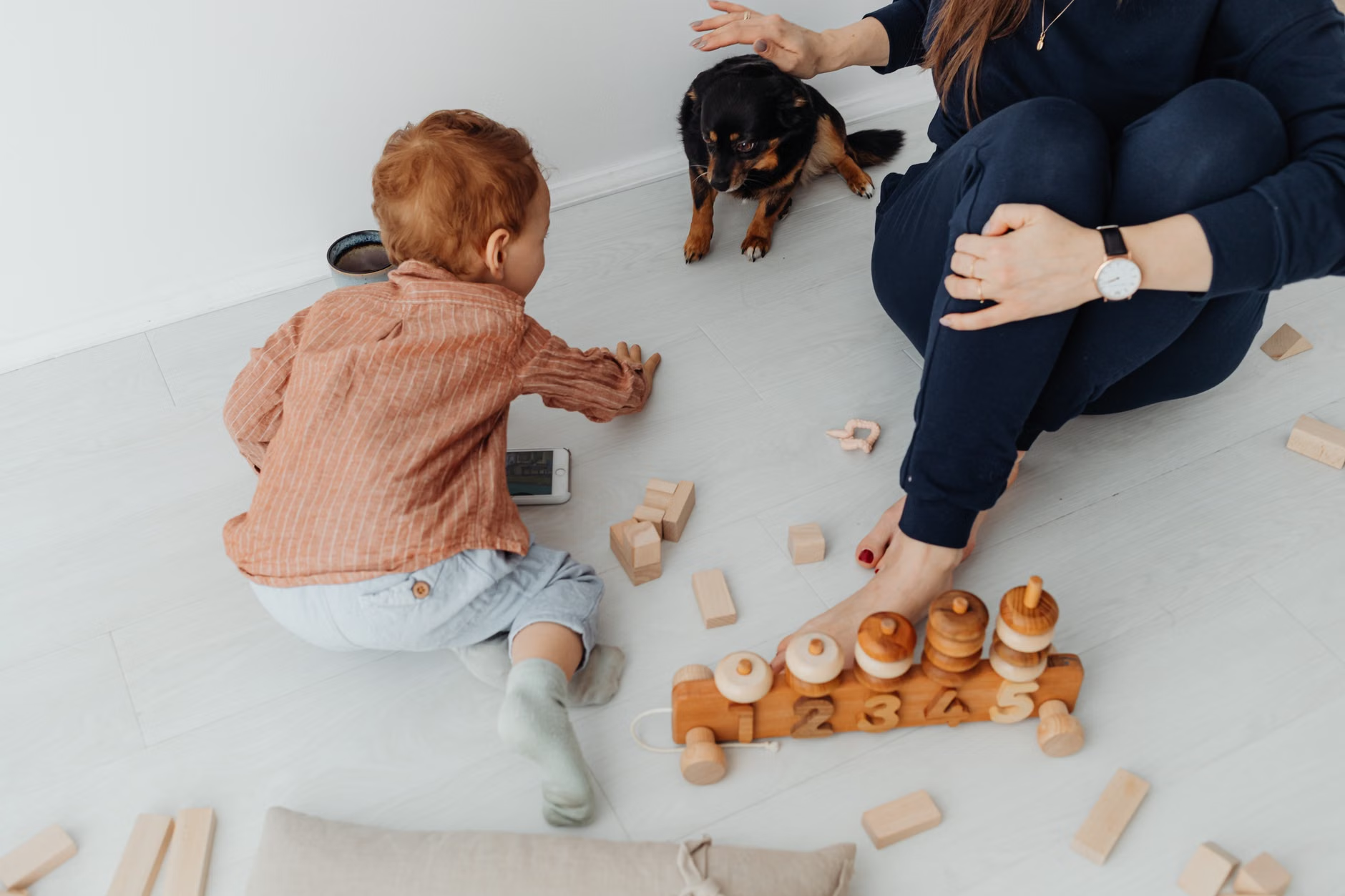
Implementing the ‘Pause’ Protocol
To move toward a more intentional, quiet-luxury schedule, try these steps:
- The Saturday Morning Audit: Look at your calendar for the next month. Identify one activity that your child—or you—is attending out of obligation rather than genuine interest or developmental need. Remove it.
- The 1:1 Rule: For every hour of structured activity, ensure there is at least one hour of ‘low-stimulation’ time. This could be reading, nature walking, or simply playing in the backyard.
- The ‘Quiet Hour’: Establish a daily period where the house is calm. No screens, no high-energy games. It is a time for quiet reflection or individual play. This is not just for the children; it is for you.
The Environment as a Teacher: Minimalism in the Home
The physical space you provide for your children acts as a silent educator. If your living room looks like a toy store exploded, you are subconsciously teaching your child that their environment is meant to be consumed and discarded. If, however, the space is thoughtful, clean, and organized, you are teaching them to value their surroundings and their possessions.
This does not mean living in a sterile, museum-like home. It means being selective. A ‘quiet’ home is one where everything has a place and a purpose. When you reduce the volume of objects, you increase the ‘affordance’ of what remains. Affordance is a design term for how an object invites use. A toy that does only one thing (like a battery-operated singing doll) has low affordance; it tells the child exactly how to play with it. A basket of silk scarves has high affordance; it can be a cape, a river, a bandage, or a blanket.
Practical Steps for a ‘Quiet’ Home
- Categorize and Rotate: Keep 80% of your child’s toys in storage. Rotate them every two to three weeks. When they reappear, they feel new and exciting again.
- Invest in Storage that Hides: Open bins are visual chaos. Use closed cabinets or baskets with lids to keep the visual field clean when play is finished.
- The ‘One-In, One-Out’ Policy: This is a strict rule. If you receive a gift or purchase a new item, an old one must be donated or recycled. This keeps the inventory stable and forces you to consider the value of every new addition.
The Hidden Trap: Why ‘Quiet Luxury’ Isn’t Just About Money
There is a danger in rebranding minimalism as a status symbol. If you interpret ‘quiet-luxury’ as buying expensive, aesthetic-conscious wooden toys just to post photos on social media, you have missed the point entirely. That is simply a different form of consumerism.
The true luxury here is the internal shift. It is about the mental space you gain when you stop chasing the ‘next big thing’ in parenting. It is about the confidence to say, “My child doesn’t need this latest trend to be happy or successful.”
Many parents in their 30s and 40s struggle with ‘comparison fatigue.’ You see a friend’s child learning Mandarin, piano, and coding, and you immediately feel the need to sign your child up for all three. This is an external pressure that ignores the individual needs and temperament of your specific child. Quiet-luxury parenting is about the courage to ignore the noise and focus on the unique, slow, and steady development of your own child.
Common Misconceptions
“Minimalism means I have to get rid of everything.” Not at all. It means you keep only what is used and loved. It is about utility and joy, not deprivation.
“This is only for wealthy families.” Quite the opposite. This approach is actually a way to save money. By buying fewer, higher-quality items and avoiding the ‘fast-toy’ cycle, you actually reduce your overall spending over time.
“My child will be bored.” Good. Let them be bored. Boredom is where the magic happens. When they are bored, they are forced to invent, to dream, and to solve problems. These are the skills that lead to true success later in life.
The Role of Digital Minimalism in the Family
We cannot talk about ‘quiet’ without addressing the loudest element in the room: the screen. For parents in their 30s and 40s, the digital world is both a tool and a trap. We use it to stay connected, to work, and to manage our lives. But when it bleeds into our parenting, it shatters the focus we are trying to cultivate.
Quiet-luxury parenting involves setting clear boundaries for digital usage. This applies to the parent just as much as the child. If you are constantly checking your email or scrolling social media while your child is trying to show you their drawing, you are signaling that the ‘digital noise’ is more important than the ‘human connection.’ This is the antithesis of the focus we are discussing.
Try ‘Digital Sunset’ hours. From 7 PM to 7 AM, all devices are put away. No exceptions. This creates a predictable rhythm that signals to the brain that it is time to wind down, reconnect, and prepare for rest. It is a simple, free, and incredibly effective way to bring more ‘quiet’ into your home.
Beyond the Home: Cultivating a Quiet Mindset
The philosophy of quiet luxury extends to how we parent in the world. It is about being present. When you are at the park, put the phone in your pocket. When you are at dinner, engage in conversation. When you are with your children, be truly with them, not just physically present while mentally elsewhere.
This is harder than it sounds. We are conditioned to be multi-taskers. But multi-tasking is the enemy of depth. You cannot have a deep, meaningful interaction with your child if you are half-distracted by the notifications on your watch. The luxury of the 21st century is the ability to ignore the digital world and give your undivided focus to the person sitting in front of you.
Decision Criteria: When to Invest and When to Simplify
How do you decide what to keep and what to remove? Use the ‘3-Month Rule.’ If your child has not touched an item in three months, it is likely clutter. If it is a seasonal item, evaluate if it is still developmentally appropriate. If the answer is no, it is time to move it on.
When considering a new purchase, ask yourself three questions:
- Does this item solve a genuine problem, or does it create a new one (e.g., storage, maintenance, battery life)?
- Is this item durable enough to be used by multiple children or for several years?
- Does this item encourage my child to think, build, or explore, or does it do the thinking for them?
If you can answer ‘yes’ to the first and third, and ‘yes’ to the second, it is a sound investment. If not, save your money and your space.
The Long-Term Impact: Raising Focused, Intentional Individuals
What is the end goal of all this? It isn’t just about a clean house or a quieter schedule. It is about raising individuals who are not dependent on external stimulation to find satisfaction. By modeling this behavior, you are teaching your children that their value does not come from what they own, but from who they are and how they engage with the world.
In a world that is increasingly loud, distracted, and consumerist, the ability to focus is a superpower. By practicing quiet-luxury parenting, you are giving your children the gift of a calm mind, an appreciative heart, and the space to discover their own unique path. That is the ultimate luxury.
Start small. Don’t try to overhaul your entire life in a weekend. Pick one area—perhaps the toy corner or your Saturday morning schedule—and apply these principles. Observe the change in your child’s play, their mood, and your own stress levels. You will likely find that the less you do, the more you actually achieve.
Frequently Asked Questions
1. How do I handle gifts from relatives who insist on buying ‘loud’ or plastic toys?
This is a classic dilemma. The best approach is to be gracious but firm. Suggest a ‘wish list’ of high-quality items that you have already vetted. If they still bring the plastic toys, let your child play with them for a while, and then quietly cycle them out of the house to a donation center after a few weeks. You are not obligated to keep every gift forever.
2. Is ‘quiet-luxury’ parenting just another term for being strict or controlling?
Not at all. In fact, it is the opposite. By removing the clutter and the constant pressure to ‘do more,’ you are actually giving your child more freedom. Freedom to play deeply, freedom to explore, and freedom from the constant stimulation that can lead to anxiety. It is about creating a supportive container, not a restrictive one.
3. What if my child complains that they are ‘bored’ with their current toys?
Boredom is a signal that it is time for a change in perspective, not a new purchase. When a child says they are bored, encourage them to look at their existing items in a new way. “How can you use these blocks to build a bridge for your cars?” or “What can we make out of these old boxes?” Often, the ‘boredom’ is just a lack of creative direction, which you can provide by asking open-ended questions rather than providing new objects.
For further reading on the impact of environment on child development, you can explore resources from the National Association for the Education of Young Children (NAEYC), which provides extensive research on play-based learning and the importance of intentional environments.
Remember, the goal is not perfection. It is progress. Every small step toward a more focused, intentional life is a win for your family. Take a deep breath, clear a shelf, and enjoy the quiet.