The secret to a zero-waste kitchen isn’t fitting a year’s worth of trash into a single mason jar; it is about systematically eliminating the “hidden” single-use items that drain your time, money, and patience every single week.
- Focus on the Big Three: Paper towels, plastic sandwich bags, and cling film account for 80% of kitchen waste; replacing just these three saves the average family over $300 annually.
- Systems Over Habits: Do not rely on willpower. Place your reusable alternatives exactly where you used to keep the disposables to make the “eco-friendly” choice the path of least resistance.
- The “Inventory First” Rule: Never buy fancy storage solutions before auditing your trash for one week to see exactly what you are actually throwing away.
If you are in your 30s or 40s, you are likely juggling a career, a household, and the logistics of family life. The idea of “zero-waste” often feels like a luxury reserved for people with infinite free time. But let’s look at the math: the average household generates significant waste simply because disposables are convenient. The transition isn’t about being perfect; it’s about swapping out the items that cause the most friction in your routine.
Audit Your Trash: The Data-Driven Approach to Reduction
Before you rush out to buy bamboo dish brushes or expensive glass containers, take seven days to track your waste. Most people assume they throw away mostly food scraps, but they are often surprised by the volume of soft plastics and paper products. This audit is the most important step because it prevents you from buying “sustainable” gear you don’t actually need.
For one week, keep a notepad on your fridge. Every time you throw something in the bin, write it down. Are you tossing three plastic bags from cereal boxes? Are you using half a roll of paper towels to clean up a spill? This data tells you exactly where your “zero-waste” strategy should start. If your primary waste is food packaging, your focus should be bulk shopping. If your waste is cleaning-related, your focus should be on reusable textiles.
Common Mistake: Buying a full set of matching glass jars before knowing what you actually buy in bulk. If you don’t eat lentils, a beautiful jar for lentils will just become an expensive paperweight. Start with what you already have—old pasta sauce jars or cleaned-out yogurt containers work perfectly well until you know your long-term storage needs.
Replacing the “Big Three”: A Cost-Benefit Analysis
Most disposable kitchen items are a tax on your long-term finances. Let’s break down the transition for the most common offenders.
| Disposable Item | Sustainable Swap | Practical Benefit |
|---|---|---|
| Paper Towels | Cotton “Unpaper” Towels | More absorbent, machine washable, saves ~$150/year. |
| Plastic Cling Film | Beeswax Wraps / Silicone Lids | Better seal for produce, reduces plastic leaching. |
| Sandwich Bags | Silicone Stasher Bags | Dishwasher safe, freezer safe, virtually indestructible. |
The “hidden cost” of disposables is the frequency of shopping trips. By switching to reusable silicone bags, you stop the mid-week “we are out of sandwich bags” panic. It is about reclaiming your mental bandwidth as much as it is about the environment.
The Psychology of the “Invisible” Transition
The biggest hurdle for busy parents is “decision fatigue.” If you have to think about whether to use a napkin or a paper towel, you will eventually reach for the paper towel because it requires zero cognitive effort. The goal is to make the sustainable choice the default choice.
Strategic Placement: Keep your reusable towels in a basket on the counter, not tucked away in a drawer. If they are visible, you will use them. Similarly, place your reusable produce bags right inside your grocery tote so you never forget them in the trunk of the car.
The “One-In, One-Out” Rule: When a plastic item breaks or hits the end of its life, replace it with a high-quality, long-lasting alternative. Do not throw away perfectly good plastic containers just to replace them with glass. The most sustainable item is the one you already own.
Managing Food Waste: The Reality of Composting
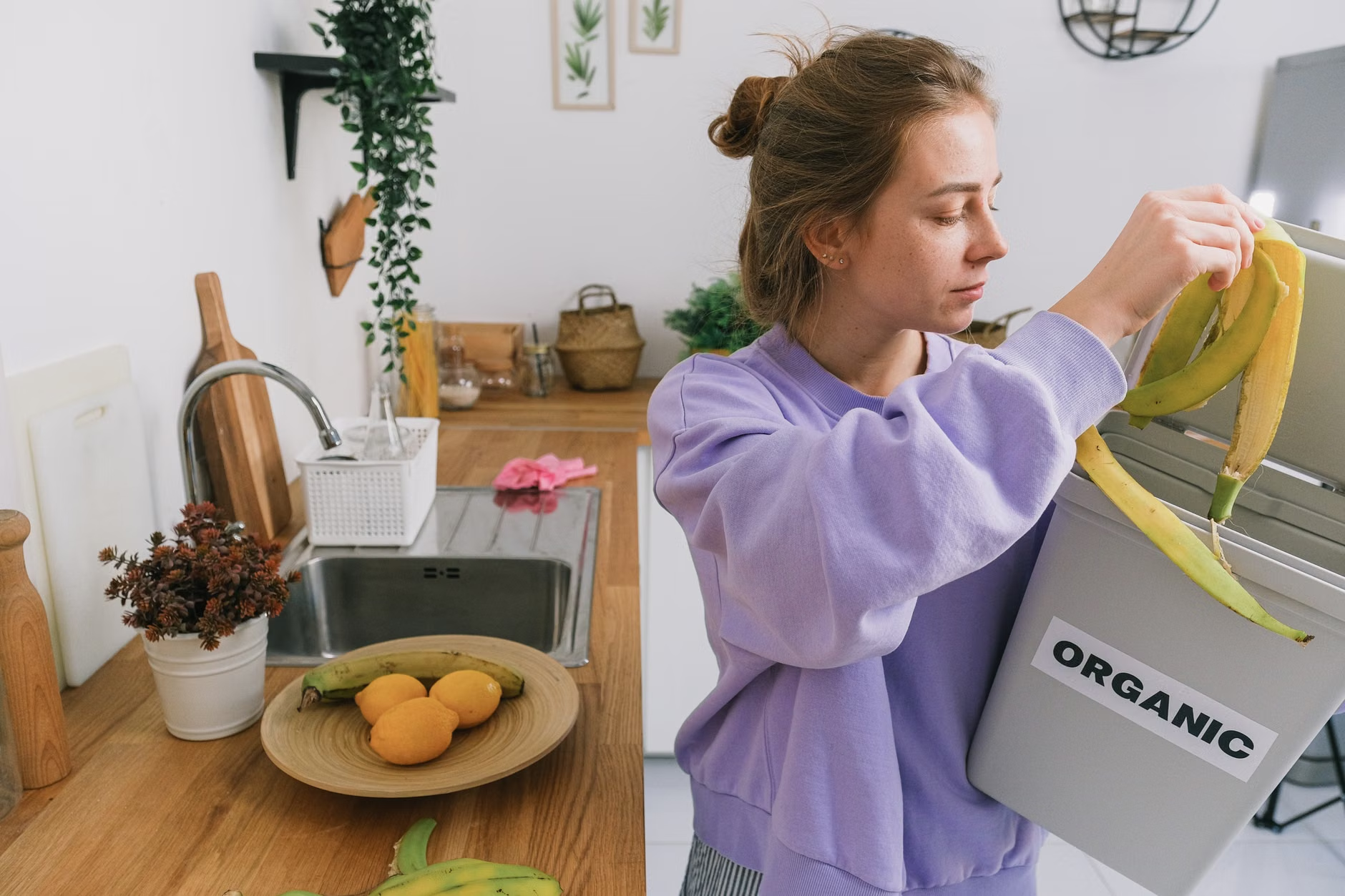
Food waste is the most significant contributor to methane emissions in landfills. However, “composting” can sound intimidating for urban families. You don’t need a backyard garden to manage your food scraps. Depending on your local infrastructure, you have several options.
Option A: Municipal Collection. Many cities now offer curbside compost collection. If your city does this, your only task is to get a sturdy, sealed countertop bin. Look for one with a charcoal filter to prevent odors.
Option B: Electric Composters. For families in apartments or areas without city collection, electric countertop composters (like Lomi or Mill) dehydrate and grind food scraps into a soil amendment. They are expensive, but they reduce the volume of trash by 80% and eliminate the “gross factor” of rotting scraps.
Option C: Community Drop-offs. Check ShareWaste or your local government website to find community gardens or farmers’ markets that accept food scraps. This adds a small errand to your week, so choose this only if it fits naturally into your existing commute.
Streamlining Grocery Shopping for Less Packaging
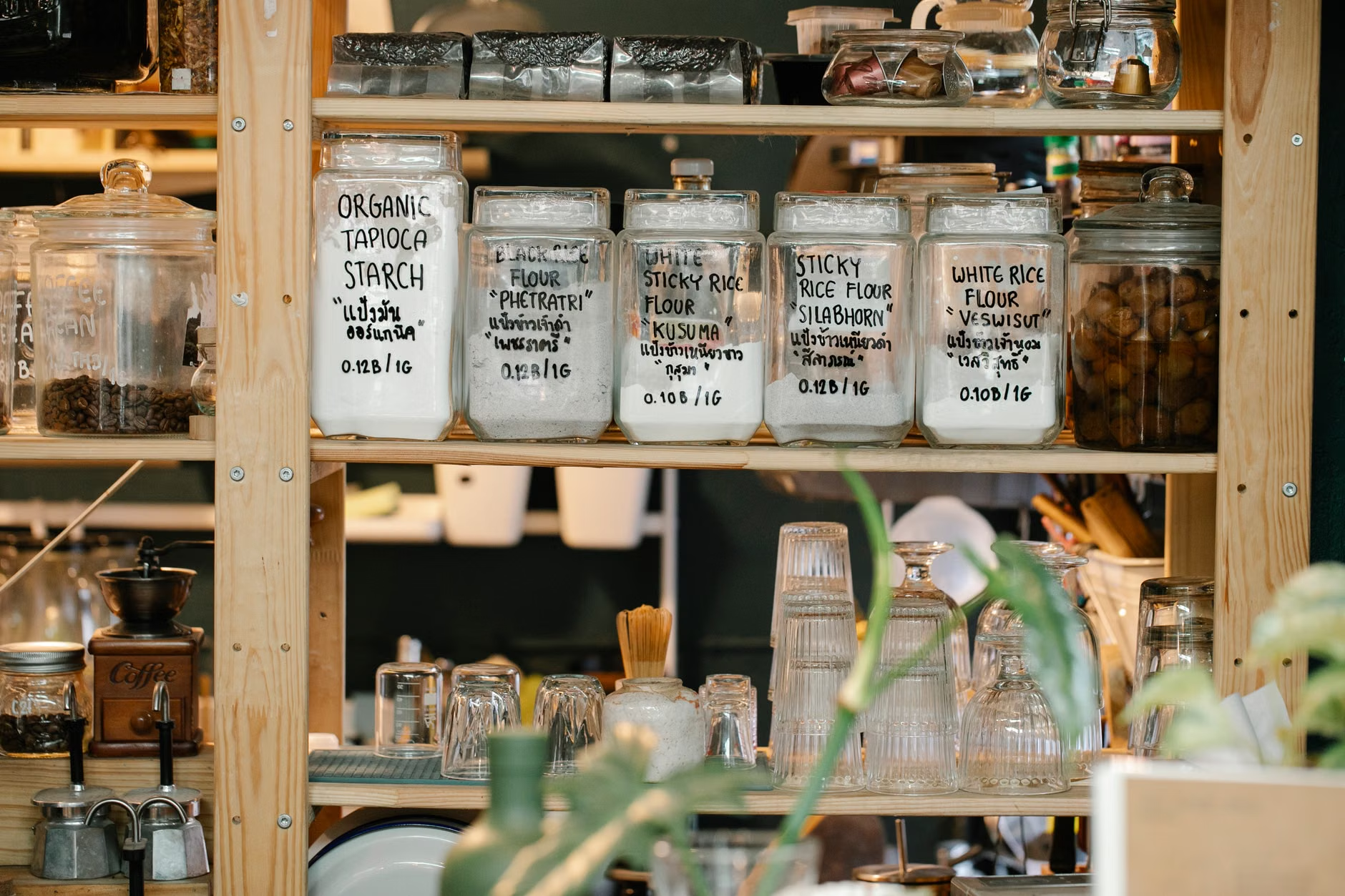
Bulk shopping is often touted as the “zero-waste” holy grail, but it can be time-consuming. For a parent, the middle ground is “selective bulk.” You don’t need to buy your laundry detergent, spices, rice, and snacks in bulk. Pick two or three categories where you know you can reliably bring your own containers, such as dry goods (pasta, oats) or cleaning supplies.
Many modern cities have “refill stations” where you bring your own bottles for soap and detergent. If you don’t have these, look for concentrated refill tabs. These tabs are shipped in small cardboard boxes, massively reducing the carbon footprint of shipping water-heavy liquid soaps while eliminating the need for single-use plastic bottles.
The Hidden Trade-offs: What They Don’t Tell You
Sustainability often comes with a “convenience tax.” Reusable items need to be washed. If your family is already overwhelmed by laundry and dishes, adding more cloth towels to the mix might be the breaking point. Before you commit to a change, ask yourself: “Is the cleaning of this item going to add more than 10 minutes to my weekly routine?”
If the answer is yes, look for a different solution. For example, if washing cloth napkins for a family of four feels like too much, perhaps stick with paper napkins but switch to a brand that uses 100% recycled, unbleached paper. It is a lower-impact choice that doesn’t require extra labor.
Decision Rule: If a sustainable habit requires you to sacrifice sleep, family time, or mental health, it is not sustainable for your life. Choose the path that reduces waste without creating a new source of stress. Sometimes, the “perfect” solution is the enemy of the “good enough” solution.
Building Your Long-Term Maintenance Plan
After the first month, the novelty will wear off. This is when most people revert to old habits. To prevent this, integrate your zero-waste check-ins into your existing family rhythm. Maybe it’s a quick audit while you put away the groceries on Sunday, or a monthly review of what items you are still buying too much of.
Remember that the goal is to reduce your reliance on single-use items, not to achieve a zero-waste badge. If you have a busy week and end up using paper plates, don’t quit. Just reset the next day. The cumulative effect of 80% of your habits being sustainable is far more powerful than 100% of your habits being sustainable for only two weeks.
Frequently Asked Questions
Is it actually cheaper to be zero-waste, or is it just a trend for the wealthy?
It depends on your strategy. If you buy expensive “aesthetic” glass jars and brand-name sustainable gear, it is significantly more expensive. However, if you focus on reducing consumption—buying less, reusing what you have, and shopping for basic ingredients in bulk—it is almost always cheaper in the long run. The initial investment in durable items (like silicone bags) pays for itself within 6 to 12 months by removing the need for recurring disposable purchases.
What should I do if my local store doesn’t allow me to bring my own containers?
This is a common frustration. Most stores have policies against personal containers for hygiene reasons. Instead of fighting the system, focus on the packaging you can control. Choose items in cardboard, glass, or aluminum, which are infinitely more recyclable than mixed-material plastic packaging. You can also advocate for change by writing to your local supermarket manager; stores are increasingly responsive to customer demand for plastic-free options.
I have young children; is zero-waste even possible with their specific needs?
It is definitely possible, but it requires lowering your expectations regarding perfection. Focus on the high-volume waste items first: snack pouches and disposable wipes. Switching to reusable snack containers and cloth wipes for sticky hands can save hundreds of items from the landfill annually. Don’t feel guilty about using disposables when you are traveling or during a child’s illness; prioritize your family’s health and your sanity first.
Final Takeaway: Start by observing your waste for a week, pick three easy swaps that don’t add labor to your life, and be kind to yourself when life gets chaotic. The most impactful change is the one you can stick with for a decade, not the one you burn out on in a month.
For more information on reducing household waste and understanding recycling standards, visit EPA’s Recycling Basics or your local government’s waste management portal.