The secret to a stress-free morning isn’t waking up an hour earlier; it’s owning fewer, better-curated clothes that actually fit your life as a working parent. By shifting to a “circular wardrobe”—a system where you buy better, maintain longer, and circulate items out when they no longer serve you—you can eliminate decision fatigue and reclaim hours of your week.
- The 80/20 Rule of Closets: Most people wear 20% of their clothes 80% of the time. The circular wardrobe forces you to identify that 20% and remove the rest.
- Value over Volume: Transitioning to higher-quality, durable fabrics reduces the cost-per-wear significantly, even if the upfront price tag is higher.
- The Exit Strategy: A circular wardrobe is only circular if items leave your home responsibly. Resale, repair, and donation are mandatory parts of the cycle.
If you are in your 30s or 40s, you likely know the specific frustration of staring at a closet full of clothes while feeling like you have absolutely nothing to wear. Between the morning school run, the commute, back-to-back meetings, and the inevitable “I need to clean the kitchen” errand, your clothing needs to be a Swiss Army knife. It needs to be comfortable, professional, and durable.
Most of us end up with a “wardrobe graveyard”—items we bought on sale, clothes that no longer fit our post-parenting bodies, or “aspirational” pieces that don’t fit our current lifestyle. The circular wardrobe isn’t just about minimalism; it’s about treating your closet as a managed asset rather than a dumping ground.
What Exactly is a Circular Wardrobe?
At its core, a circular wardrobe moves away from the “linear” model of fast fashion: buy, wear, discard. Instead, it treats your clothing as a resource that stays in use for as long as possible. For a busy parent, this means creating a closed-loop system where every item has a purpose, a life cycle, and a planned exit strategy.
Think of it as the difference between a library and a bookstore. In a bookstore, you buy books, read them, and they sit on your shelf collecting dust. In a library, books are checked out, read, returned, and put back into circulation for others. Your circular wardrobe is your personal library. You “check out” your favorites, maintain them, and when they stop serving you, you “return” them to the market—either through resale, trade, or recycling.
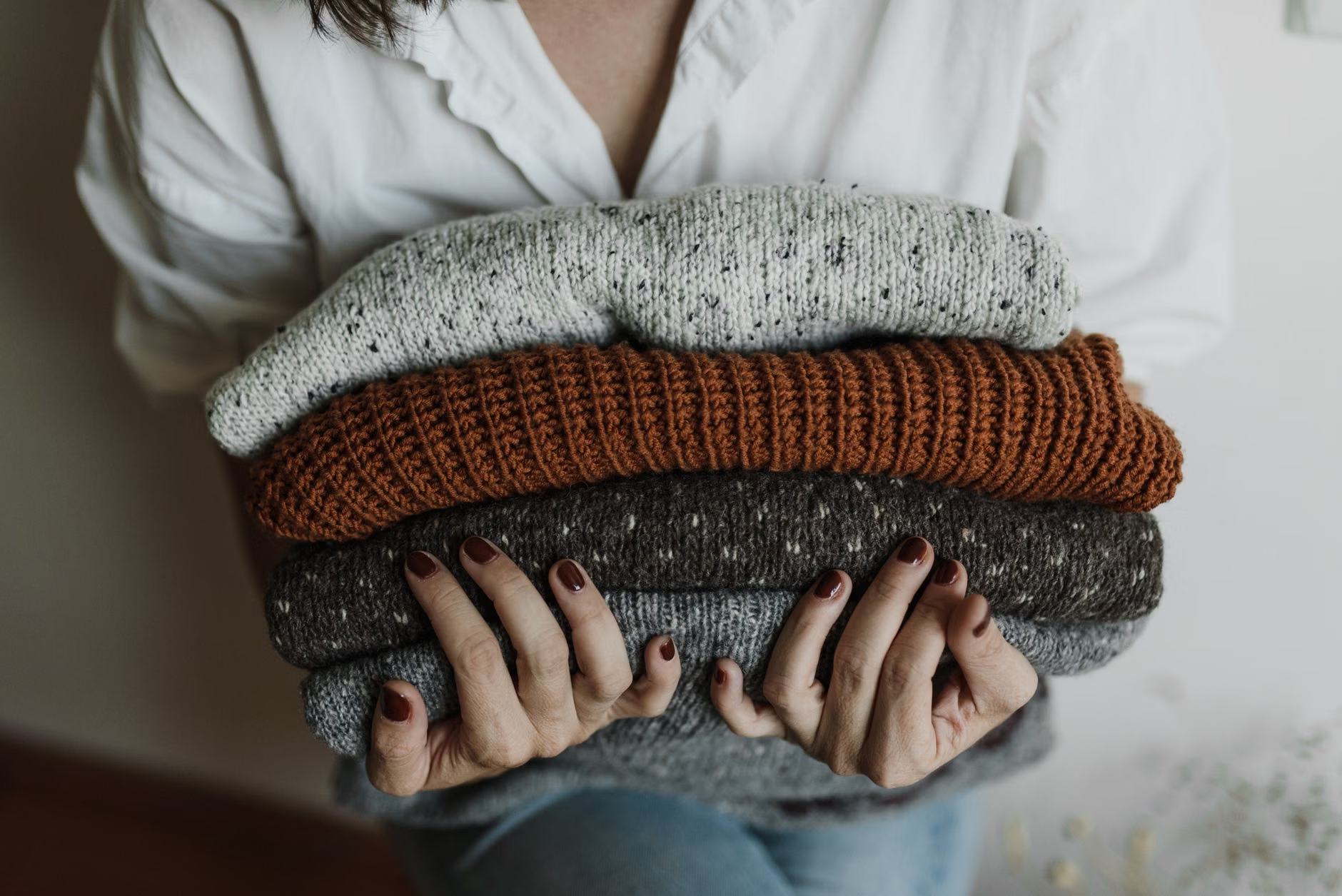
Why does this matter for your 30s and 40s? Because your time is the most expensive commodity you have. When you reduce the number of choices you have to make every morning, you save precious mental energy. This is known as “decision fatigue,” and for parents, it’s a very real tax on your productivity. When your closet is curated, you aren’t choosing between “that shirt that’s too tight” and “the pants that need ironing.” You are choosing between items you love and that fit perfectly.
The Anatomy of a Circular Closet: How to Start
You cannot build a circular wardrobe without first auditing what you have. This isn’t a weekend project; it’s a process. Start by pulling everything out. Yes, everything. If you haven’t worn it in the last 12 months, it goes into one of three piles: Resale, Repair, or Recycle.
The Decision Matrix:
| Condition | Action | Why? |
|---|---|---|
| Good quality, fits well, worn often | Keep | This is your “Core 20%.” |
| Good quality, needs minor repair | Repair | Extends life; stops the cycle of replacement. |
| Outgrown or no longer fits lifestyle | Resale/Donate | Keeps the item in the circular economy. |
| Worn out, stained, damaged | Textile Recycle | Prevents landfill waste. |
Once you have cleared the clutter, you need to establish a “one-in, one-out” rule. This is the golden rule of circularity. If you buy a new pair of high-quality trousers, an old pair must be sold or donated. This prevents the “creep” of excess clothing back into your life.
The Financial Logic: Why “Cheap” is Actually Expensive
Many professional parents fall into the trap of buying cheaper, trendy items because they feel they don’t have the budget for high-end pieces. However, let’s look at the math. A $30 shirt that lasts for 10 washes costs $3.00 per wear. A $100 shirt that lasts for 100 washes costs $1.00 per wear. Over a year, the “expensive” shirt is significantly cheaper.
In your 30s and 40s, you are likely at a stage where you can afford to invest in better materials. Look for natural fibers like wool, linen, and organic cotton. These fabrics don’t just feel better; they last longer and can be repaired if they snag or tear. Synthetic fabrics (polyester, nylon) are notoriously difficult to recycle and often lose their shape after a few cycles of washing, leading to that “frumpy” look that discourages you from wearing them.
Common Mistake: Buying “basics” from fast-fashion retailers. These pieces are intended to be disposable. Instead, invest in one high-quality piece per month. If you spend $100 a month on one excellent item, you will have a highly functional, beautiful wardrobe within a year.

The Exit Strategy: Managing the Flow
The “circular” part of the circular wardrobe is where most people fail. They donate clothes to a charity shop and assume it’s all good. However, the reality of global textile waste is staggering. According to the US EPA, millions of tons of textiles end up in landfills annually. Your goal is to ensure your items don’t contribute to that.
Your Actionable Exit Steps:
- Resale Apps: Use platforms like Vinted, Poshmark, or Depop for items that are still in excellent condition. This recovers some of your investment and puts the item back into the hands of someone who will wear it.
- Specialized Recycling: For items that are beyond repair (torn, heavily stained), do not put them in the regular trash. Look for textile recycling programs. Many clothing retailers now have in-store drop-off bins for old textiles that get shredded and repurposed into insulation or carpet padding.
- Swap Parties: Host a clothing swap with friends. It’s a social, free way to “refresh” your wardrobe without buying anything new.
If you aren’t willing to put in the effort to resell or properly recycle, you are not maintaining a circular wardrobe. You are just practicing “guilt-free” consumption. The effort of the exit is what forces you to be more selective about the entry.
Your body and your schedule change rapidly when you have children. The clothes you wore in your late 20s might not fit or be practical for chasing a toddler or sitting on a floor. A circular wardrobe accommodates this because you aren’t attached to “the way I used to look.”
Instead, focus on “lifestyle uniforms.” If you work in an office three days a week and work from home two days, build your wardrobe around those two specific needs. You don’t need a dress for every occasion. You need a set of high-quality pieces that can be layered. A blazer over a high-quality t-shirt works for a Zoom call; swap the blazer for a cardigan for the school run.
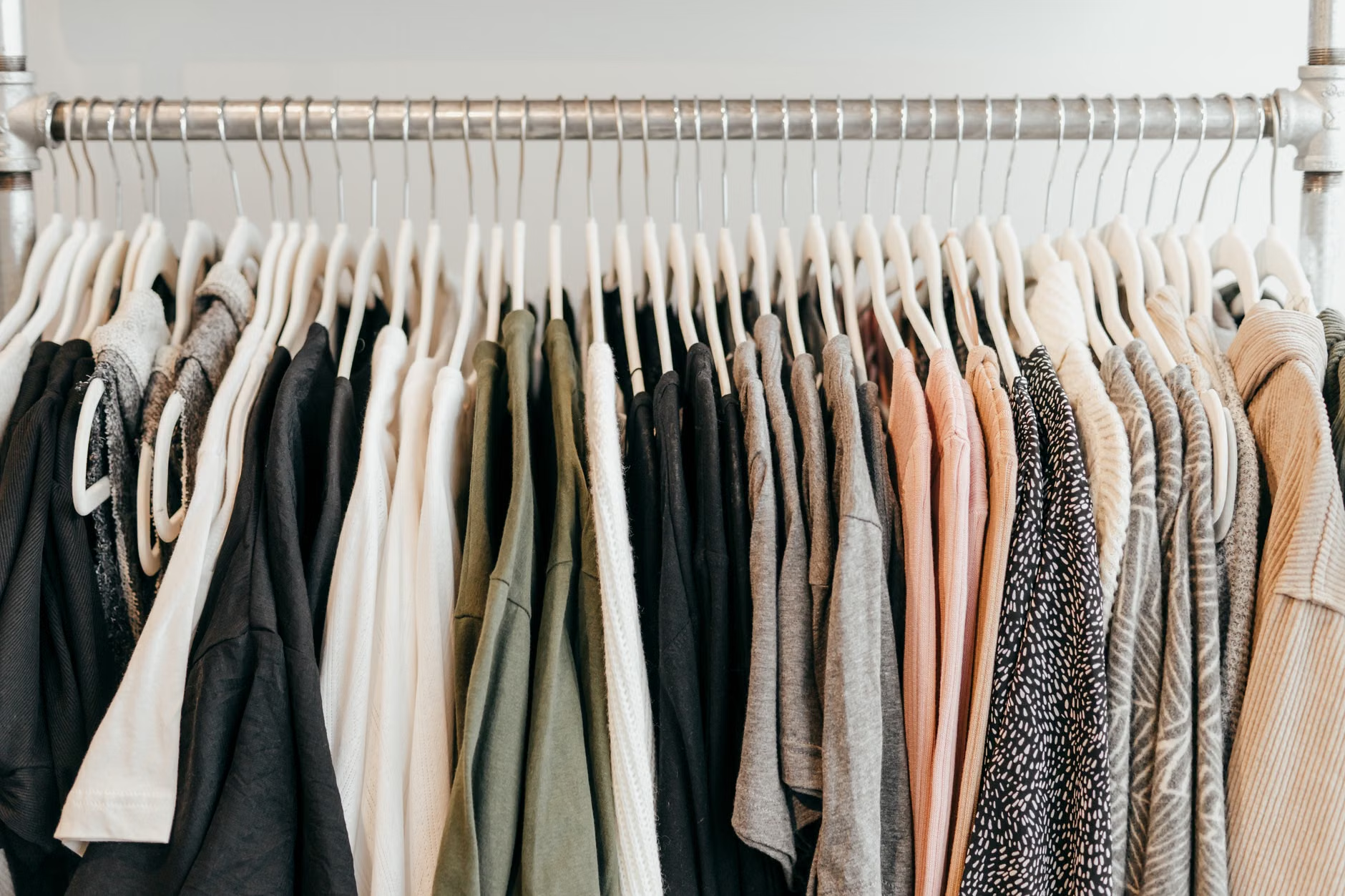
This is where the “uniform” concept comes in. When you find a brand that fits your body type well, stick to it. Don’t experiment with different cuts every time you need something new. This reduces the risk of buying clothes that don’t fit or feel awkward. If a specific pair of trousers fits perfectly, buy them in two neutral colors. That is your base. Build everything else around that.
Maintenance: The Forgotten Step of the Circular Model
We have become a society that treats clothes like single-use plastics. We wash them too often and use high-heat dryers that destroy fibers. If you want your clothes to last, you must change your care habits.
Essential Maintenance Rules:
- Wash Less: Most clothes don’t need to be washed after one wear. Air them out. Use a steamer to refresh them.
- Cold Water Only: Heat breaks down elastic and shrinks natural fibers. Cold water is sufficient for 90% of your laundry.
- Air Dry: The dryer is the enemy of longevity. If you have the space, a simple drying rack will double the life of your garments.
- Learn Basic Repairs: You don’t need to be a tailor. Learning how to sew on a button or fix a small hem takes 10 minutes and saves an item from the bin.
Think of these actions as “maintenance costs.” Just as you would perform an oil change on your car, you perform maintenance on your clothes. This shift in mindset transforms your closet from a passive collection of fabric into an active, managed system.
Common Misconceptions About Circular Fashion
There is a persistent myth that sustainable fashion is only for the wealthy. While it is true that high-quality, ethically produced clothing often has a higher price point, the circular model is actually a cost-saving strategy for the average professional.
Another misconception is that a circular wardrobe is boring or lacks style. On the contrary, having fewer items that you love actually forces you to be more creative with your styling. When you aren’t overwhelmed by options, you start to see new combinations. You stop buying things that “sort of” go with your other clothes and start buying things that fit your unique, established aesthetic.
Finally, there is the belief that you have to be perfect. You don’t. You will still have to buy clothes from mainstream retailers occasionally. The goal is not perfection; it is intentionality. If you make one “circular” choice today—like choosing to repair a pair of shoes instead of buying a new pair—you are already moving in the right direction.
How to Begin Today
If you want to start this process, don’t try to change your entire wardrobe in one weekend. Start with one category, such as work shirts or trousers. Perform an audit, decide what stays and what goes, and commit to the maintenance of what remains.
The most important part of this process is the “Exit Strategy.” Before you buy your next piece of clothing, identify exactly how you will get rid of something else. Will you sell it? Is it in good enough condition to donate? If it’s damaged, have you researched where to recycle it? If you can’t answer these questions before you buy, you aren’t ready to buy.
This system requires discipline, but the reward is a closet that actually serves you, saves you money, and reduces the daily friction of being a professional parent. You are essentially reclaiming your time and your mental space, one garment at a time.
Frequently Asked Questions
1. How do I handle clothing that I love but doesn’t fit my current lifestyle or body?
It is natural to hold onto pieces for sentimental reasons, but a circular wardrobe is about utility. If an item doesn’t fit your body or your current life, it is “dead weight” in your closet. Store it in a separate box for six months. If you haven’t reached for it by then, it’s time to move it into the circular economy—either sell it or donate it to someone who will actually use it.
2. What should I do if I have a limited budget for high-quality, sustainable brands?
You do not need to buy expensive, “sustainable” brands to have a circular wardrobe. The most sustainable garment is the one already in your closet. If you need new items, prioritize second-hand marketplaces. You can often find high-quality, natural-fiber pieces on resale sites for a fraction of their original retail price. Focus on materials like wool, silk, and cotton, regardless of the brand name.
3. How do I deal with the “one-in, one-out” rule when my professional needs change?
The “one-in, one-out” rule is a guide, not a prison sentence. If you are going through a major career shift (e.g., moving from a creative role to a corporate role), you may need an initial “reset” period where you acquire a few more pieces than you discard. However, once your new “base” is established, return to the rule. Always prioritize selling or donating the items you are replacing to keep the cycle moving.
Official Resources for Further Reading: